
Article
Data from Data FORWARD (The National Databank for Rheumatic Diseases) reveals that nearly two-thirds of rheumatoid arthritis (RA) patients have self-reported sleep problems.

Search for Terms or Answers
Data from Data FORWARD (The National Databank for Rheumatic Diseases) reveals that nearly two-thirds of rheumatoid arthritis (RA) patients have self-reported sleep problems.

Still's disease in adults (AOSD) or children (sJIA) can have dramatic symptom severity, making it easy to gauge disease activity and response to therapy, especially at the outset. However, a validated measure of disease activity has not been agreed (for clinical trial and treatment assessments). A new study compares two such activity measuresin a large cohort of Still's patients.

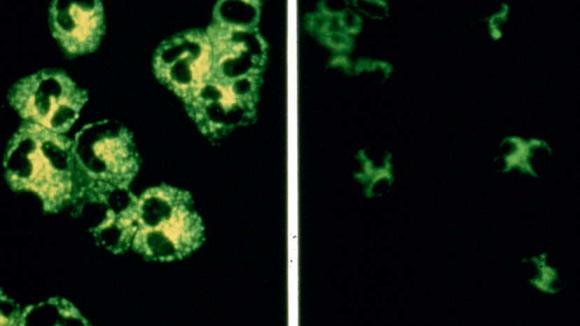
Research presented in the Journal of Experimental Medicine shows that ANCA-associated vasculitis (AAV) may be propagated by pathogenic mechanisms triggering cGAS/STING/IRF3-dependent IFN-I release.
A large UK database study suggests that young adults with autoimmune diseases have an associated increased risk for cardiovascular disease.

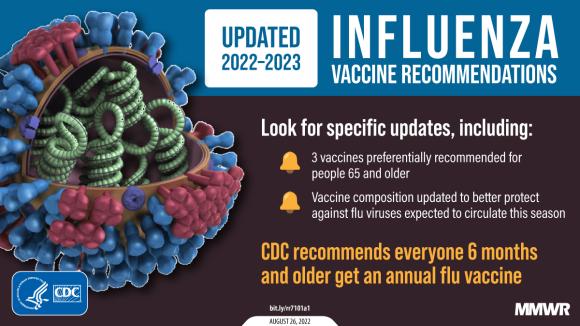
The CDC has published an update to the recommendations from the Advisory Committee on Immunization Practices (ACIP) on the use of seasonal influenza vaccines in the United States for the 2022-23 season.
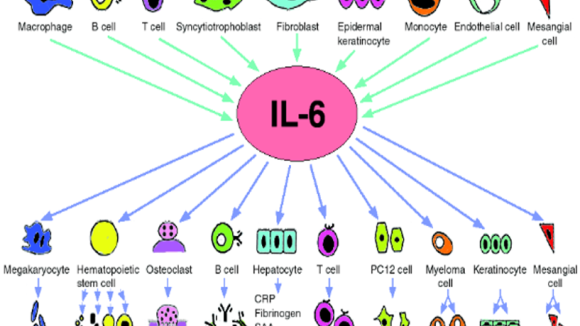
This week's NEJM has published the efficacy results of a large phase 3 trial of olokizumab, a humanized monoclonal antibody that directly targets IL-6 in patients with rheumatoid arthritis.
This is in contrast to two other marketed IL-6 inhibitors (sarilumab, tocilizumab) that bind to the IL-6 receptor.
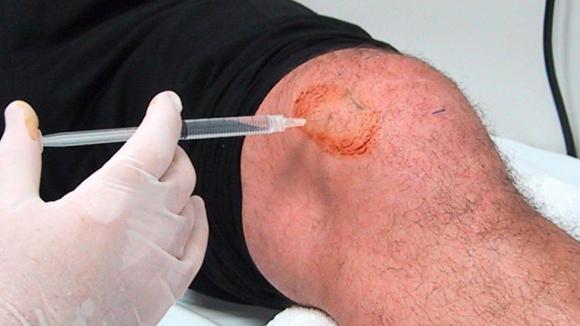
In the United States, where over $300 million is spent annually on intraarticular hyaluronic acid injections, yet another study shows such therapy to be no better than placebo.
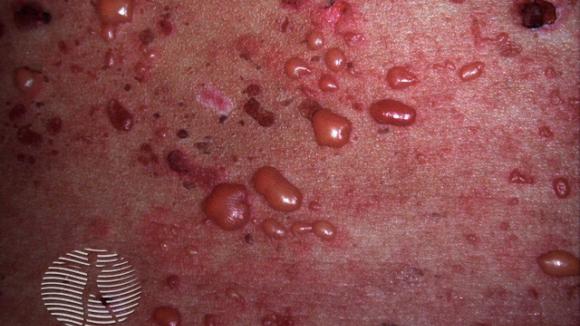
Bullous systemic lupus erythematosus (BSLE) is a rare blistering cutaneous manifestation of systemic lupus erythematosus (SLE).
As goes SLE, bullous disease typically affects women, especially those of African descent.
A recent meta-analysis suggests a bidirectional association between rheumatoid arthritis (RA) and depression. Finding RA patients with depression yields an 80% increased mortality risk.
Anti-cytokine therapies represents a potential alternative for the treatment of depression.

Declines in body mass index (BMI) were linked with slower worsening of knee osteoarthritis (OA), according to data from three large longitudinal cohort studies.

A cohort analysis from Toronto suggests that axial psoriatic arthritis (PsA) is distinctly different from axial ankylosing spondylitis (AS) with psoriasis.
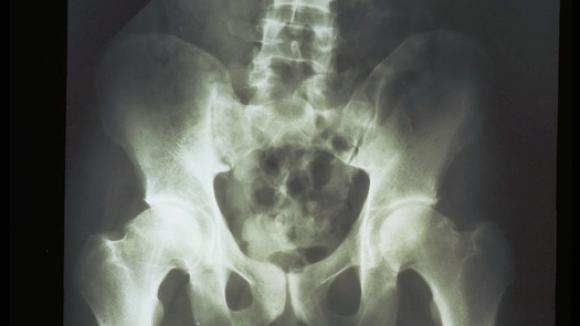
A current Medscape article on patient "no shows" in private medical practice examines the cause and approach to the problem.
The most common reason for no shows is lack of knowledge about the scheduled appointment. Here are other common causes of no-shows, and how to address the problem.

Dr. Jack Cush reviews the news and journal reports from this past week on RheumNow and discusses a case of refractory juvenile dermatomyositis with calcinosis.

With nearly one-third of adults, adolescents and children having sleep difficulties, many resort to using melatonin. JAMA reports substantial increases in the use of over-the-counter (OTC) melatonin, in all age groups. But is it effective, safe and warranted?

The DESIRES trial studied rituximab (RTX) in patients with systemic sclerosis (SSc) and showed clinically significant improvement in skin and lung outcomes after a subsequent 24-week open-label extension phase.
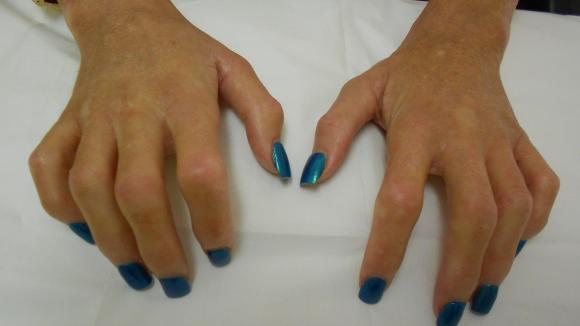
A multicentre, proof-of-concept trial of suggests that low-dose IL-2 therapy may be effective in moderate-to-severe systemic lupus erythematosus (SLE).
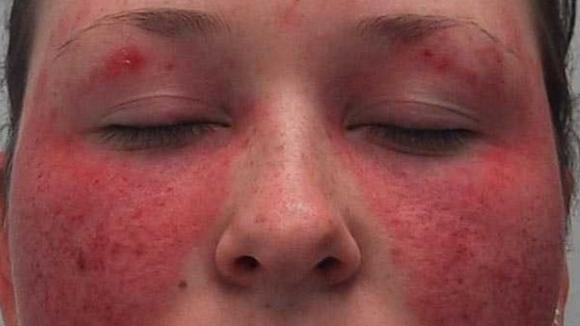
A wide range of therapies have been implicated in causing drug-induced lupus erythematosus (DIL); now it appears that proton pump inhibitors (PPIs) can be added to the list of causative drugs.
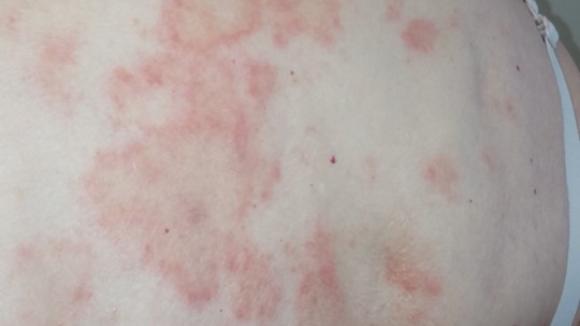
Pregnancy often occurs in women with axial spondyloarthritis (axSpA), and a recent cohort study suggests outcomes are generally better than what had been reported in the literature.

JUNIPERA study evaluated secukinumab (SEC) in children with enthesitis-related arthritis (ERA) and juvenile psoriatic arthritis (JPsA) and was found to be safe and effective in patients with active ERA and JPsA who previous failed to respond to conventional therapy.
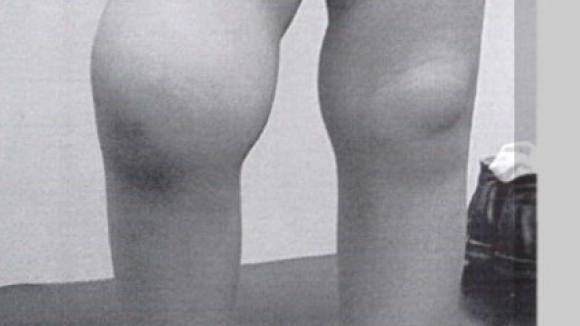
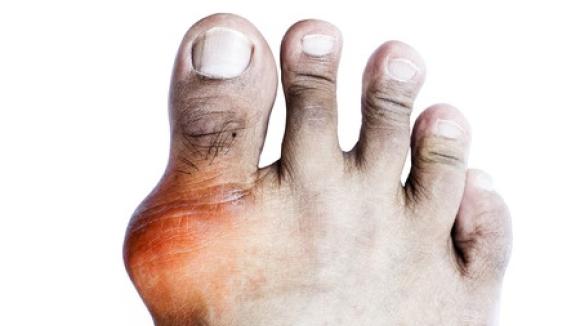
In a cross-sectional study of US adults, gout was more prevalent in black adults compared to white adults; possibly explained by sex-specific dietary differences and social determinants of health and clinical factors.
By downloading this material, I acknowledge that it may be used only for personal use and personal education and that I will accredit RheumNow.com as the source and owner of this material. Commercial use or mass reproduction of this material without permission from RheumNow (info@rheumnow.com) is prohibited.

