The diagnosis of idiopathic inflammatory myopathies (IIMs) can be informed by the 2017 EULAR/ACR classification criteria, but their utility in patients with clinically amyopathic dermatomyositis (CADM) and anti–melanoma differentiation–associated protein 5 (anti–MDA-5)–positive IIM
All News
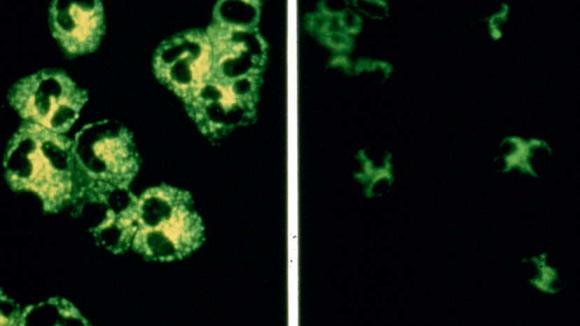
Research presented in the Journal of Experimental Medicine shows that ANCA-associated vasculitis (AAV) may be propagated by pathogenic mechanisms triggering cGAS/STING/IRF3-dependent IFN-I release.
Dr. Jack Cush reviews the news and journal reports from this past week on RheumNow and discusses a case of refractory juvenile dermatomyositis with calcinosis.
Annals of Internal Medicine reports that thiopurine toxcicity risk is associated with the "CC" genotype and that azathioprine discontinuation was associated with hematopoietic toxicity and lower thiopurine doses.
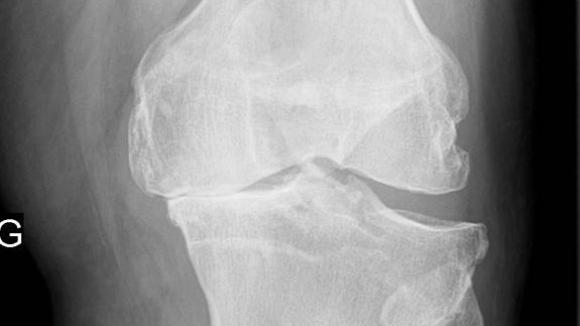
Prevention of knee and hip osteoarthritis would obviate considerable disability and future surgery. We may be one step closer according to a prospective European GWAS study showing polygenic risk scores (PRSs) significantly associated with higher risks for knee and hip OA joint replacement.
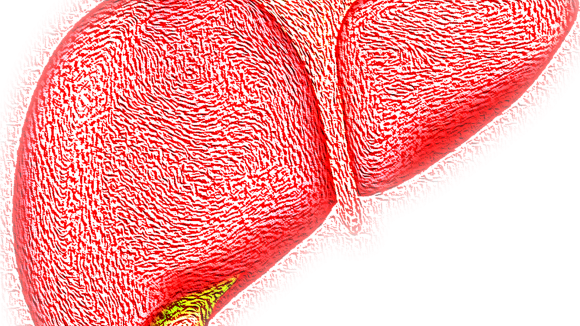
Mayo Clinic Proceedings reports the results of a retrospective, cross-sectional of patients with HFE hemochromatosis showing that advanced hepatic fibrosis is primarily seen in those with arthritis due to HFE hemochromatosis.
This week we're going to talk about the downside of TNF inhibitors, a few interesting observations in gout, and yes, kids do get COVID. We're also going to preview what's coming in April (hint: it's about PsA). This and more as Dr. Jack Cush reviews the news and journal articles from the past week on RheumNow.com.
An Italian environmental study shows that air pollution increases the risk of autoimmune diseases, in particular rheumatoid arthritis, connective tissue diseases (CTDs) and inflammatory bowel diseases (IBD).
The risk of developing axial spondyloarthritis (axSpA) if you’re a first-degree relative (FDRs) of an ankylosing spondylitis (AS) patient has been deflined by a 35 year follow-up study showing that if you are a FDR of axSpA you may be at higher risk of acute anterior uveitis (AAU).
Dr. Jack Cush reviews the news and journal reports from this past week on RheumNow.com. He discusses the GI side effects of IL-17 inhibitors, downstream revenues from rheumatology care and dietary prevention of gout.
Excess adiposity and genetic predisposition both contributed to risk of gout among U.S. women, with the risks being highest when both factors are present, a large prospective study found.
Pulmonary complications in the setting of Still's disease (juvenile and adult) has seldom but consistently been reported, including reports of pneumonitis, pulmonary hypertension and a severe or fatal lung disease, often associated with hypersensitivity to anticytokine therapy. A multicenter study reports that drug hypersensitivity and pulmonary reactions in Still's patients receiving IL-1 or IL-6 inhibitors is strongly associated with HLA-DRB1*15 haplotypes.
The ACR 2021 meeting has concluded. Dr. Jack Cush recounts a few more great abstracts from this past week’s virtual meeting.
The opening of ACR2 Convergence was a hit for all who signed up and viewed in. The day included the presidential address by outgoing president Dr. David Karp (UT Southwestern) and a keynote talk and interview with Dr. Seema Yasmin (Stanford).
New research to be presented this week at ACR Convergence, the American College of Rheumatology’s annual meeting, shows a relationship between genotype, bone marrow failure and survival in patients with the rare autoinflammatory disease VEXAS syndrome, which was only identified in 2020.
Cell has published the results of a multinational, GWAS meta-analyses of 826,690 individuals that included 177,517 osteoarthritis patients, finding 52 previously unknown osteoarthritis (OA) genetic risk variants and linking OA genetic risks with joint distribution and pain
A current report in Arthritis & Rheumatology examined the Nurses Health Study II data set and shows that parental smoking, and passive exposure to children, can later lead to an increased risk of adult-onset incident seropositive rheumatoid arthritis (RA).
What Factors Predict RA in First-Degree Relatives?
Among a cohort of first-degree relatives of patients with rheumatoid arthritis (RA), certain patient characteristics, as well as symptoms, helped predict a possible increased risk for developing the disease, U.K. researchers reported.
A large cohort study of rheumatoid arthritis (RA) patients shows that regular tea consumption was associated with a lower risk of RA.