
Article
Dr. Jack Cush reviews the lastest journal articles, news, and FDA announcements from the past week on RheumNow. This week, the importance of IFNa, Subclinical PsA and NSAID safety during Pregnancy.

Search for Terms or Answers
Dr. Jack Cush reviews the lastest journal articles, news, and FDA announcements from the past week on RheumNow. This week, the importance of IFNa, Subclinical PsA and NSAID safety during Pregnancy.

Yesterday, the U.S. Food and Drug Administration (FDA) approved sarilumab (Kevzara) for the treatment of adults with active, refractory polymyalgia rheumatica (PMR), stipulating it is indicated in those patients who have had an inadequate response to corticosteroids or who cannot tolerate corticosteroid taper.
The Annals of Rheumatic Disease has published updated multinational, treat-to-target (T2T) recommendations for the treatment of giant cell arteritis (GCA) and polymyalgia rheumatica (PMR).

Dr. Jack Cush reviews the news and tries to stump the expert panel this week on the podcast.
Safety outcomes for targeted synthetic or biological disease-modifying antirheumatic drugs (b/ts DMARDs) used to treat RA were studied using data from the Anti-Rheumatic Therapies in Sweden (ARTIS) registry, showing that these newer agents are largely similar, but still have particular differences for specific infection or other adverse event risks.

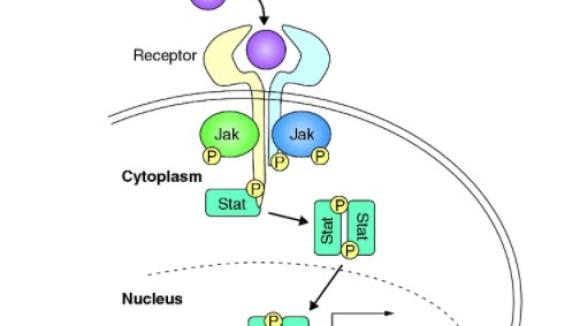
Data from 17 international registries (JAK-pot collaboration) suggest that for Rheumatoid arthritis (RA) patients failing their first janus kinase inhibitor (JAKi), it did not matter if they were cycled to another JAKi or switched to a biologic disease-modifying antirheumatic drug (bDMARD).
Dr. Jack Cush reviews the best of 2022 in Rheumatology - highlights on new drug indications, breakthrough lupus therapies, new biosimilars and the multivitamin letdown.
2022 was a year of recovery, discovery, and some losses. While still dealing with the aftermath of COVID-19, rheumatologists were resilient as leaders for their patients and research in advancing rheumatologic care.
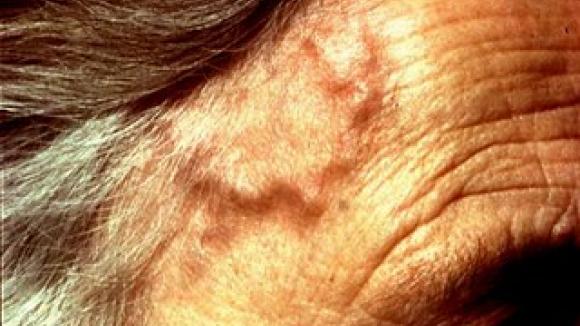
One-third of patients admitted with giant cell arteritis (GCA) were rehospitalized within 6 months, largely because of complications potentially related to corticosteroid therapy, researchers found in a retrospective cohort study.
Dr. Jack Cush reviews the top abstracts from EULAR 2022 As chosen by me with the aid of the RheumNow EULAR faculty. “Top” is relative and subjective, but my criteria for inclusion are based on impact, water cooler talk potential, innovation and social media buzz. Speaking of social media…
Giant cell arteritis (GCA) has historically been a clinical diagnosis (visual loss, headache, jaw pain, scalp tenderness, etc) supported by labs and histopathology.
The Infectious Diseases Society of America has recently updated its recommendations with regards to the treatment of severely ill, hospitalized COVID-19 infected patients and also about the appropriate use of anti-IL-6, JAKs and colchicine.
One of the enduring legacies of ACR 2022 for me will be the emphasis on polymyalgia rheumatica (PMR). Despite being highly inflammatory and relatively common, a remarkable paucity of trials have been run in this space. Read on for a quick PMR-roundup from the meeting!

A Japanese large scale claims data study was able to collect 5-year data to study the treatment patterns in Still’s. In May 2019, intravenous tocilizumab was approved in Japan for Still’s disease. The study was designed to see patterns of steroid exposure before and after the approval of this therapy.

After decades of having little else proven apart from glucocorticosteroids with which to treat polymyalgia rheumatica (PMR), evidence for steroid-sparing options has grown in recent years, and this crescendo is set to continue at ACR Convergence 2022 in Philadelphia, PA.







By downloading this material, I acknowledge that it may be used only for personal use and personal education and that I will accredit RheumNow.com as the source and owner of this material. Commercial use or mass reproduction of this material without permission from RheumNow (info@rheumnow.com) is prohibited.



