CreakyJoints has completed a 258 patient survey showing that nearly three-fourths of people with rheumatoid arthritis (RA) have expressed dissatisfaction with their treatments, including conventional (csDMARDs) and biologic Disease Modifying Antirheumatic Drugs (bDMARDs).

All News
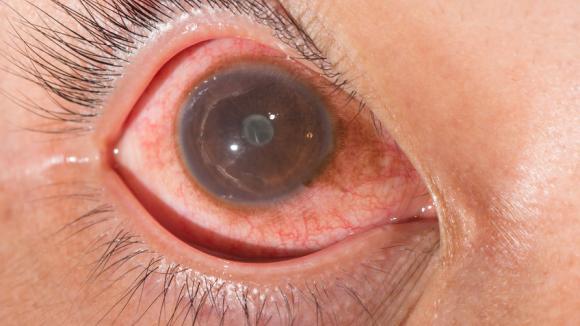
Patients with noninfectious uveitis (intermediate, posterior uveitis, or panuveitis) often require high dose corticosteroids and therefore may need steroid-sparing DMARD therapy. The FAST study investigated the corticosteroid-sparing effect of methotrexate or mycophenolate mofetil in adults with noninfectious uveitis.
Lancet reports a head-to-head trial of antibodies against interleukin (IL)-23 and IL-17A in patients with moderate-to-severe psoriasis favored guselkumab with superior PASI 90 responses at week 48 (compared to secukinumab).
Last Friday, the US Food and Drug Administration approved Ofev (nintedanib) to slow the rate of decline in pulmonary function in adults with interstitial lung disease associated with systemic sclerosis or scleroderma, called SSc-ILD.
ILD as a complication of SSc may lead to progressive loss of lung function and may be associated with a significant mortality risk. Prior to the approval of Olev, there were no FDA approved drugs for SSc-ILD.
A large pregnancy registry has published their results showing rheumatoid arthritis (RA) patients who become pregnant are less likely to breastfeed compared to non-RA women from the general population, with many women stopping breastfeeding so that they could start medication, even though many of
An insurance claims based study of RA patients with COPD shows that biologics do not have an increased rate of respiratory events compared to those on conventional DMARDs.
A real world cohort of RA patients with COPD was drawn from US-based MarketScan databases. Patients on biologic DMARDs and/or targeted synthetic DMARDs (tsDMARDs) were propensity matched to those on conventional synthetic DMARDs (csDMARDs).
The ENTRACTE trial examined the risk for major adverse cardiovascular events (MACE) in RA patients and found no increased risk of MACE in patients treated with tocilizumab (TCZ) versus etanercept (ETN).
Dr. Jack Cush vents on choosing new therapies in rheumatoid arthritis.
Vitamin D might not be much help for strengthening bones among healthy adults without osteoporosis, Canadian researchers reported, even at doses far higher than recommended daily allowances.
In a clinical trial assessing three levels of daily vitamin D supplementation -- 400 IU, 4,000 IU, and 10,000 IU -- radial volumetric bone mineral density was significantly lower among those (ages 55-70) taking higher doses for 3 years, according to Steven Boyd, PhD, of the University of Calgary in Canada, and colleagues.
The FDA has approved the IL-17A inhibitor Taltz (ixekizumab) for the treatment of adults with active ankylosing spondylitis (AS: also known as radiographic axial spondyloarthritis).
The American College of Rheumatology (ACR), in partnership with the Spondylitis Association of America (SAA) and the Spondyloarthritis Research and Treatment Network (SPARTAN), released the 2019 Update of the Recommendations for the Treatment of Ankylosing Spondylitis (AS) and Nonradiographic Axi
Dr. Jack Cush reports on the news and journal reports from the past week on RheumNow.com, including: how your genetics may shape your microbiome; GERD as a risk factor for TMJ?; how can MDA-5+ dermatomyositis be any worse; new drug happenings; StillsNow.com; and more.
A study from Leeds suggests 'multi-dimensional remission' (MDR) can be seen in one-third of RA patients achieving DAS28-remission; such patients have better patient-reported outcome measures, making it an optimal goal, especially from a patient's perspective.
Osteoporosis treatments were not linked with reduced overall mortality, according to a meta-analysis of placebo-controlled trial data.
Immunologic remission in rheumatoid arthritis, defined as the disappearance of anti-citrullinated protein antibodies and rheumatoid factor, was seen infrequently among patients achieving sustained clinical remission and did not correlate with the disappearance of symptoms, a long-term Dutch study found.
A head-to-head trial has shown that risankizumab was significantly superior to adalimumab in providing skin clearance (PASI90) in patients with moderate-to-severe plaque psoriasis, with no difference in safety signals between the two agents.
The US Food and Drug Administration (FDA) on Friday, August 16, approved AbbVie JAK1 inhibitor, Rinvoq (upadacitinib) for adults with rheumatoid arthritis with moderately to severely active disease either not responding to, or intolerant of, methotrexate (MTX).
Dr. Jack Cush reports the news and important journal articles from the past week on RheumNow.com.
The German National Database (NDB) has reviewed their experience in the care and quality of life of inflammatory rheumatic disease patients snce 1993, showing improved use of metrics, improved outcomes and a changing profile of biologic and anti-rheumatic drug use.
The Journal of Bone and Mineral Research (JBMR) has published a report showing that a reduction in the rate of bone loss by nitrogen bisphosphonates was associated with a 40% lower mortality risk.