
Article
A study in the Annals of Internal Medicine reports chronic kidney disease (CKD) patients can be safely treated with allopurinol without an increased risk of mortality.

Search for Terms or Answers
A study in the Annals of Internal Medicine reports chronic kidney disease (CKD) patients can be safely treated with allopurinol without an increased risk of mortality.
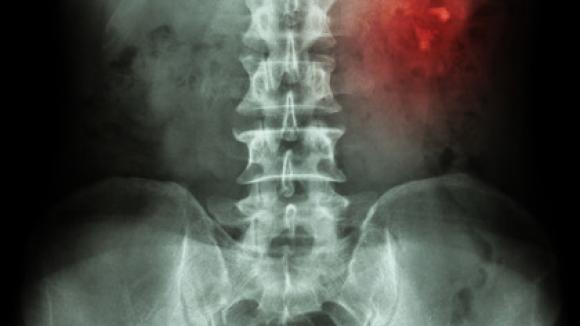
On Friday, the U.S. Food and Drug Administration (FDA) approved risankizumab-rzaa (Skyrizi) for the treatment of adults with active psoriatic arthritis (PsA), with similar dosing in plaque psoriasis - a single 150mg subcutaneous injection four times a year after two starter doses (at weeks 0

ARD has publish a prospective, multicenter, observational study of vaccination outcomes in antineutrophil cytoplasmic antibodies associated vasculitis (AAV) patients, showing that AAV patients may not be adequately protected after standard two-dose COVID-19 vaccination, but that a third
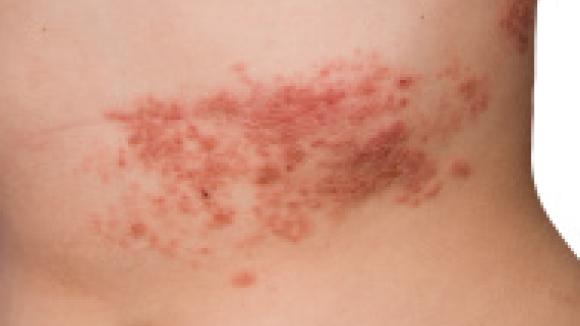
The CDC's Advisory Committee on Immunization Practices (ACIP) recently recommended and approved two doses of the recombinant zoster vaccine (RZV, AKA Shingrix) for prevention of herpes zoster and complications in immunodeficient or immunosuppressed adults aged ≥19 years.
A prospective primary care study of patients at-risk for inflammatory arthritis (IA) showed that progression to IA was most likely in those with high anti-CCP antibody titers levels and involvement of the hands/feet/ IA.

Patients with ANCA-associated vasculitis (AAV) did not mount durable antibody responses to the SARS-CoV-2 Delta variant after the standard two-dose regimen of the Pfizer-BioNTech vaccine -- and for those taking rituximab (Rituxan) as maintenance therapy, even a third dose wasn't much help.
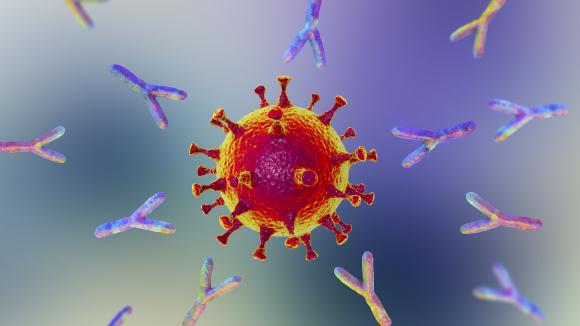
Today, UCB announced top-line interim analysis results from their Phase 3 "BE MOBILE 1" study, that demonstrated the efficacy of bimekizumab, a dual IL-17A and F inhibitor, in adults with active non-radiographic axial spondyloarthritis (nr-axSpA).
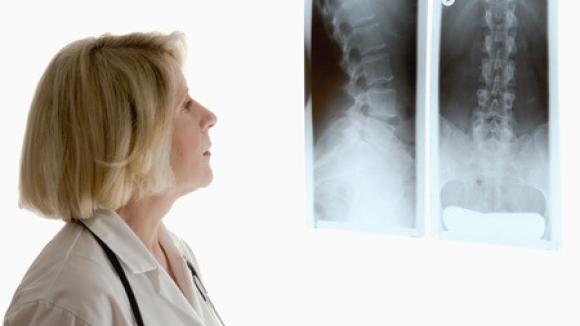
Lancet Rheumatology reports that a treat-to-target (T2T) goal of average serum urate less than 6 mg/dL is associated with an absence of gout flares and a reduction in the number of flares in the next 12 months.

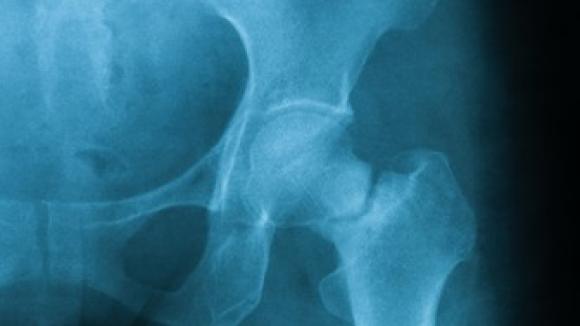
While bisphosphonate drug holidays are recommended, there are few comparative studies.
This article was written by Dr. Milton Packer, who wonders why physicians are struggling to get their priorities straight.

Dr. Jack Cush reviews the news and journal articles from the past week on RheumNow.com. This week we discuss amputations, a $57 billion RA market, an FDA approved drug for Cat arthritis and drug that works in Sjogren's.

While the American College of Rheumatology recommends holding mycophenolate (MMF) in rheumatic and musculoskeletal diseases patients (RMD) receiving COVID-19 vaccines, there is limited data on such an approach. A recent cohort study of RMD patients showed that holding MMF yielded higher antibody responses than continuing MMF.
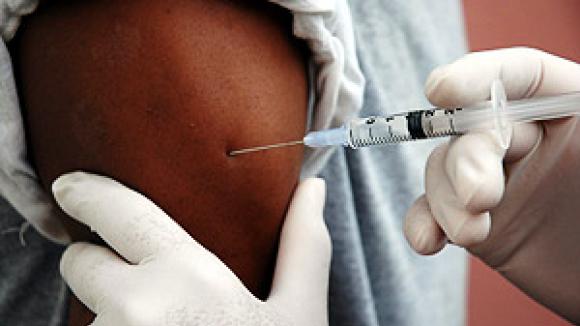
The EULAR Coronavirus Vaccine (COVAX) physician-reported registry has shown that the use of COVID-19 vaccines in people with inflammatory/autoimmune rheumatic and musculoskeletal disease (I-RMD) is effective, safe, and well tolerated.

The results of the KEEPSaKE-1 study in psoriatic arthritis (PsA) has been published and shows that risankizumab (RIZ), an IL-23 inhibitor, showed significant clinical improvements when given to active PsA patients who failed or were intolerant to ≥1 csDMARD.
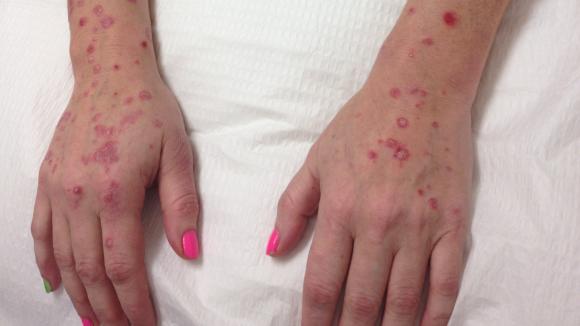
Follow-up in a Scandinavian cohort of juvenile idiopathic arthritis (JIA) patients that began in 1997-2000 revealed a number of surprises, a new study indicated.
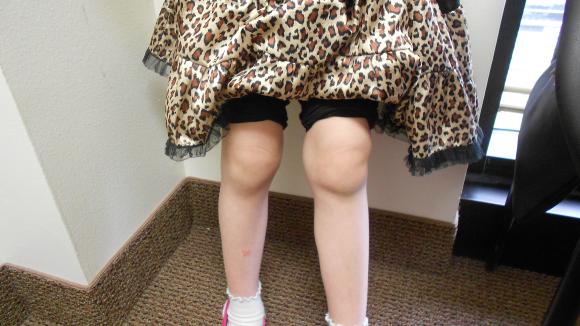
Clinical trials generally fail in Sjögren's syndrome; but now a study shows that a biologic B cell inhibitor, ianalumab, met its primary endpoint with a dose-related decrease in disease activity (measured by ESSDAI) at week 24.
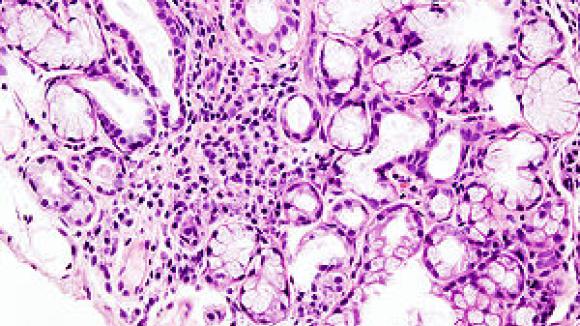
A recent trial published in Annals of Internal Medicine analyzed the effects of B-cell depletion (rituximab) followed by B-cell suppression (belimumab) and showed effective lowering of anti-dsDNA titers and and fewer severe flare in patients with systemic lupus erythematosus (SLE).
The Global Rheumatology Alliance (GRA) has studied the outcomes of women with rheumatic disease who were pregnant at the time of infection with coronavirus disease 2019 (COVID-19).


By downloading this material, I acknowledge that it may be used only for personal use and personal education and that I will accredit RheumNow.com as the source and owner of this material. Commercial use or mass reproduction of this material without permission from RheumNow (info@rheumnow.com) is prohibited.


