Article
Dr. Jack Cush reviews the news and journal reports from the past week on RheumNow.com.

Search for Terms or Answers
Dr. Jack Cush reviews the news and journal reports from the past week on RheumNow.com.

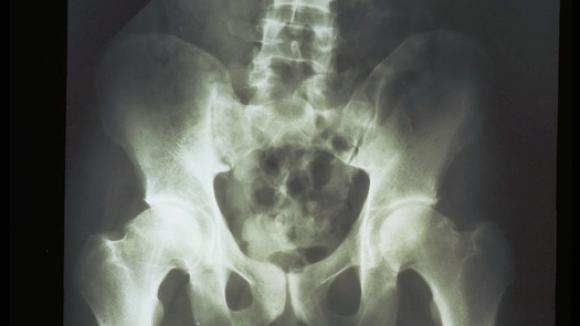
In Canada, biologic DMARDs (bDMARDs) were introduced after 2001, and since that time there have been significant reductions in hip and knee arthroplasty (THA/TKA) among patients with rheumatoid arthritis (RA), but not in patients with osteoarthritis (OA).

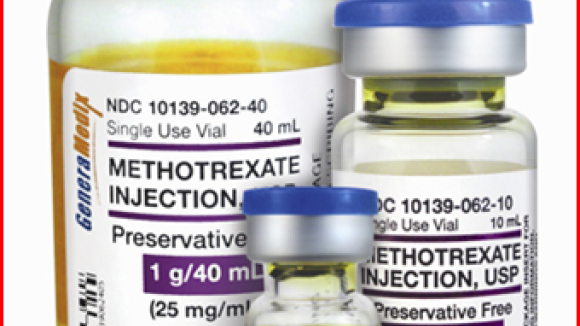
A large, single-rheumatology center analysis of oral and subcutaneous (SC) methotrexate (MTX) use in daily clinical practice suggests that SC MTX has fewer drug discontinuations and is better tolerated compared to other DMARD therapies.
It was a banner week at the FDA; a new drug approval you should know about; a lot of information about pregnancy and safety; and an interesting case plus a question from one of our readers submitted via Back Talk. This and more in this week's podcast. Let's dive in.
Post-vaccination disease flares were uncommon among patients with rheumatic and musculoskeletal diseases who were inoculated against COVID-19, researchers found.
How much psoriasis do you need to have in order to have psoriatic arthritis? This plus a review of rheumatology and COVID news from the past week on RheumNow.com.
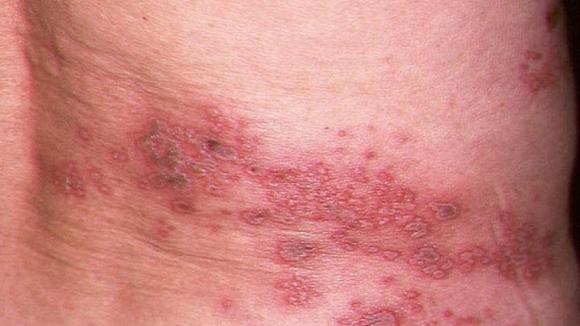
Registry data suggests an increased risk of herpes zoster (HZ, shingles) in rheumatoid arthritis (RA) patients taking JAK inhibitors (JAKi) but also with other biologic DMARDs, compared to csDMARDs.
Medscape has published the annual U.S.

Sparks and colleagues have published data from the Global Rheumatology Alliance noting that among rheumatoid arthritis (RA) patients afflicted with COVID-19 infection, there was little influence of their baseline biologic or targeted synthetic (b/ts) disease-modifying antirheumatic drug

Deodhar and colleagues have published the results of a study showing that in adult patients with active ankylosing spondylitis (AS), oral tofacitinib was effective (versus placebo) and is safe.
Patients with inflammatory/autoimmune diseases who initiated treatment with interleukin (IL)-17 inhibitors did not have a higher risk for the development of inflammatory bowel disease (IBD), but only after taking into account the severity of their underlying disease, French investigators reported



By downloading this material, I acknowledge that it may be used only for personal use and personal education and that I will accredit RheumNow.com as the source and owner of this material. Commercial use or mass reproduction of this material without permission from RheumNow (info@rheumnow.com) is prohibited.