It’s widely accepted that Psoriatic disease has multi-system, multi-domain potential that can lead to life altering complications if left untreated or undertreated. Rheumatologists have shifted the way we discuss treatment options and disease state expectations with patients. Two #ACR22 abstracts stood out to me regarding the Psoriatic disease patient experience and will, ultimately, add to what I do in clinic.

All News
The NY Times has reported results of a study showing that nearly two-thirds of doctors are experiencing at least one symptom of burnout, with a marked increase since the onset of the pandemic. These findings suggest that burnout rates amongst US doctors have risen to alarming levels.
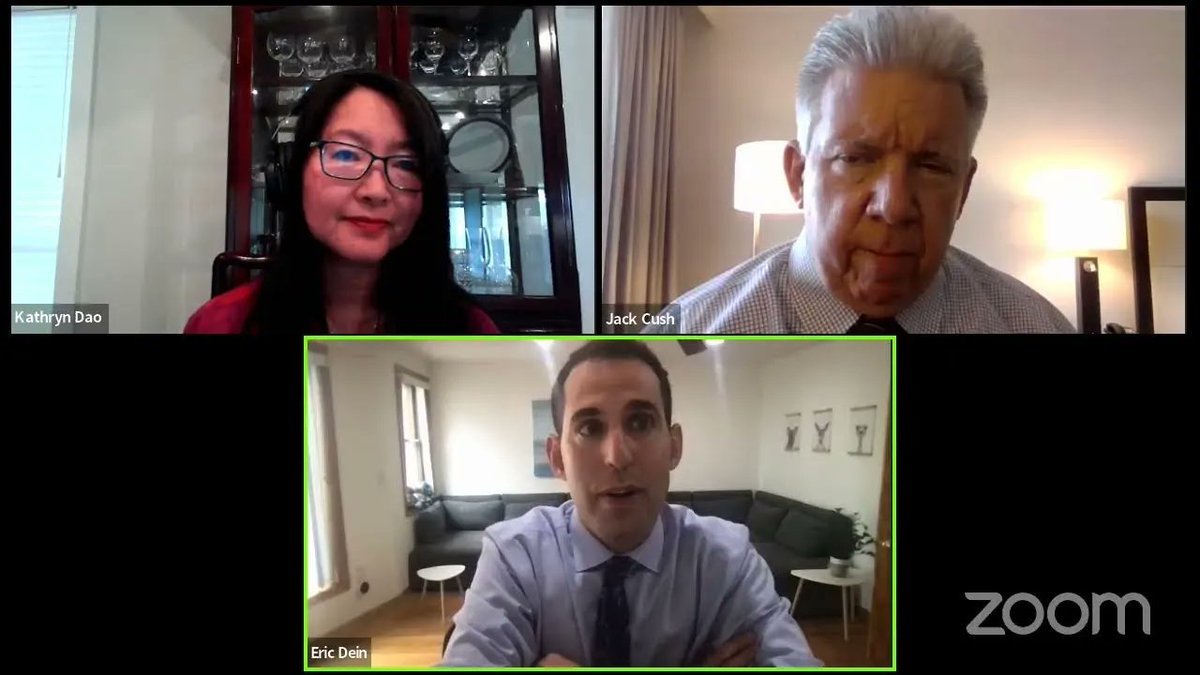
Below are this week’s highlights from RheumNow, as discussed by Dr. Jack Cush. Thanks to all of you for your kind comments and great reviews of our weekly podcast. Please let us know how we can improve by emailing me or recording your suggestion using the "Ask Cush Anything" link on our website.
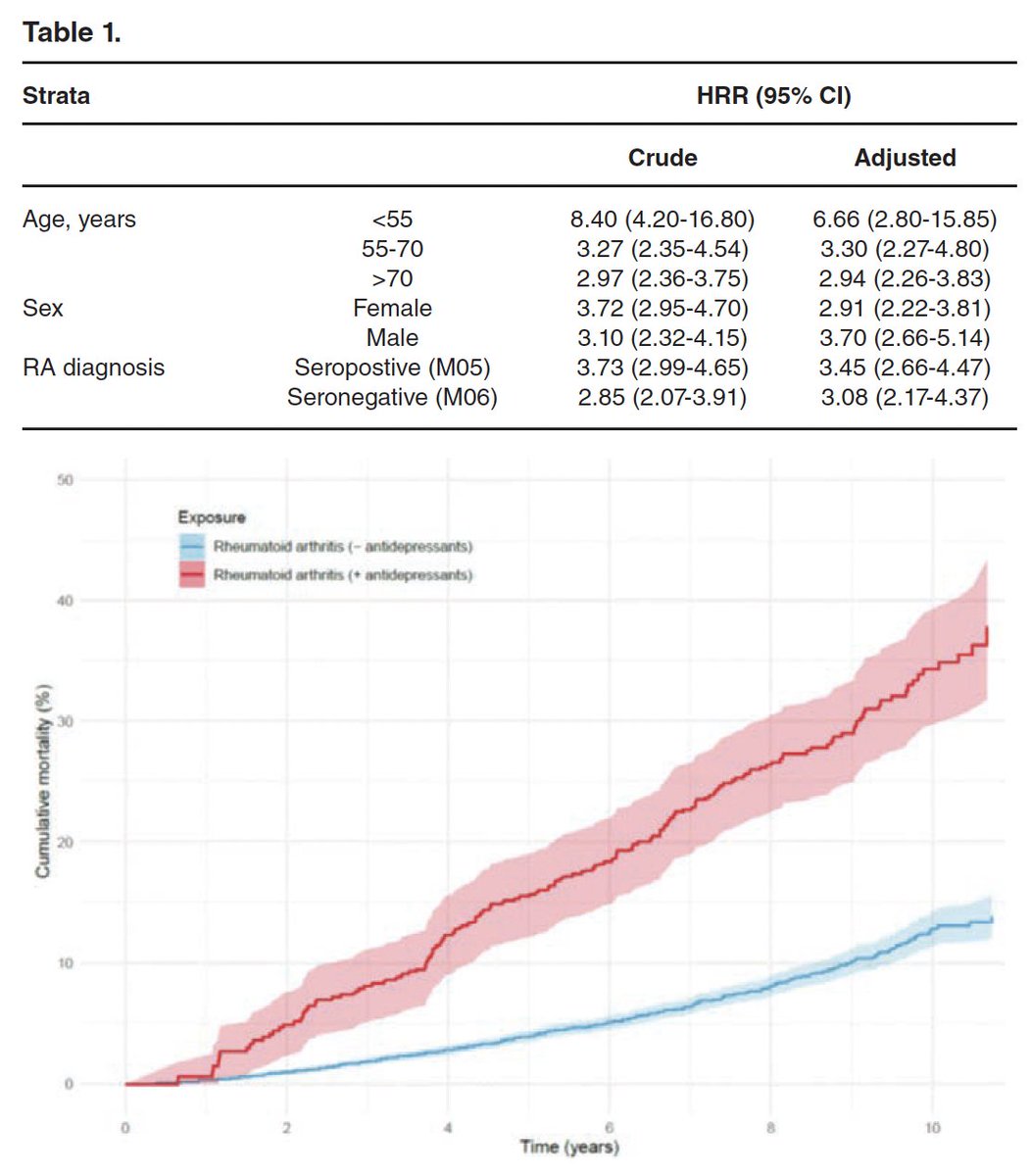
The U.S. Preventive Services Task Force has recommended that general practitioners actively screen and identify anxiety and depression in all adult patients under 65 yrs.
With nearly one-third of adults, adolescents and children having sleep difficulties, many resort to using melatonin. JAMA reports substantial increases in the use of over-the-counter (OTC) melatonin, in all age groups. But is it effective, safe and warranted?
We've got a lot to discuss this week: psoriasis; fatigue; sleep; sural nerve biopsies; uveitis and SpA; diet and RA; tofacitinib and the ORAL surveillance study; what not to take with mycophenolate - and more. In what order should these items be discussed? This week the run down is based on popularity, measured by rheumatologist engagements on the website and social media.
Is Gout Protective Against Dementia?
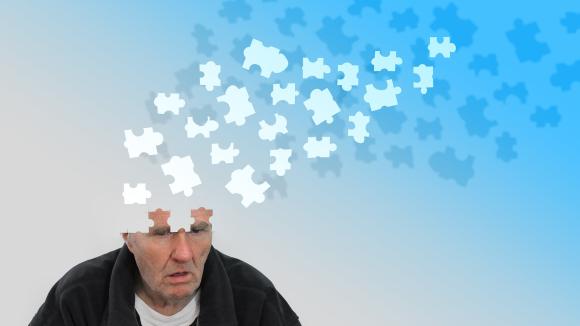
People with gout appeared less likely to develop dementia than age- and sex-matched peers, a database study from Korea found.
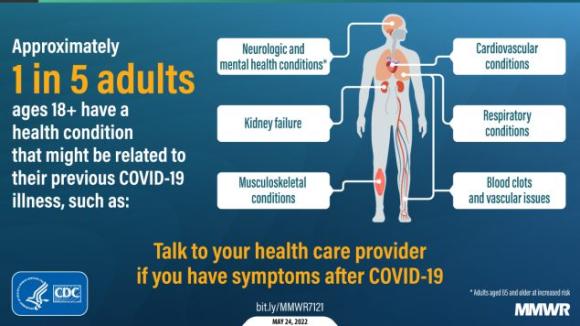
The acute consequences of a SARS-CoV-2 infection may be bothersome or devastating, but the long-term consequences may lead to so-called "long COVID" syndrome. Long COVID appears to affect up to 20% of those who survive COVID-19 infection.