Today I have a few questions: Is tramadol really a weak narcotic? Should we really still be doing placebo-controlled trials? What are we going to do about our patients who are smokers? This and more, in this week's review of the news and journal articles.

All News
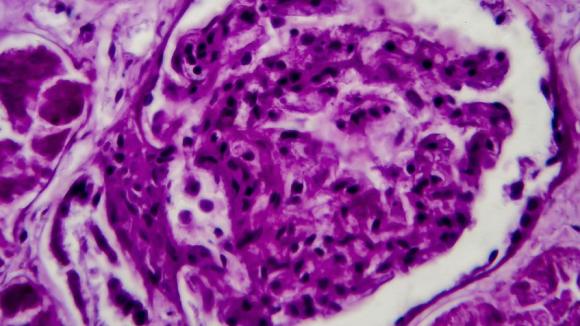
B-cell depletion therapy with obinutuzumab, a type II anti-CD20 monoclonal antibody, in lupus nephritis patients was shown to be effective in in combination with standard lupus therapies.
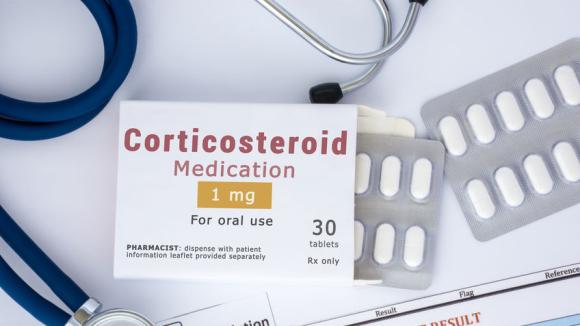
A recent analysis shows thta glucocorticoids (GCs), usually recommended for short-term use in rheumatoid arthritis (RA), are variably used by rheumatologists, and that provider preference is a strong predictors of long-term glucocorticoid use.
Dr. Jack Cush reviews the FDA approvals, news and the latest journal articles from the past week on RheumNow.com.
EULAR has updated its recommendations (points to consider - PtC) for rheumatologists managing patients during COVID-19; now with 2 overarching principles and 12 PtC.
Bernatsky and colleagues have shown cancer risk factors in incident systemic lupus erythematosus (SLE).
Researchers analyzed an SLE cohort of 1,668 patients, over an average of 9 years follow-up and found 65 cancers: 15 breast; 10 nonmelanoma skin; 7 lung; 6 hematologic; 6 prostate; 5 melanoma; 3 cervical; 3 renal; 2 each gastric, head and neck, and thyroid; and, 1 each rectal, sarcoma, thymoma, and uterine cancers.
Hepatitis B reactivation is an uncommon complication of biologic therapy use. Now, a serologic study of rheumatoid arthritis patients shows that HBV reactivation is seen with rituximab, and less so with abatacept, especially in patients without hepatitis B antibody (HBsAb) positiv
Arthritis numbers are rising, and people are finally talking about osteoarthritis. Also, ACR 2021 is just a few weeks away - are you ready? Finally, I'll review cases and questions submitted by viewers in Ask Cush Anything (#ACA). This, and nearly a dozen news items and reports, are discussed in this week's podcast. Let's begin.
While myositis-specific autoantibodies (MSAs) and myositis-associated autoantibodies (MAAs) may have prognostic value through their clinical associations, many patients will not have them and overall, they are poorly predictive of a malignancy risk.
The latest CDC estimates of the national prevalence of arthritis and arthritis-attributable activity limitations (AAAL) show a continued increase in absolute number: 58.5 million (23.7%) U.S. adults have arthritis, 25.7 million (43.9%) of whom have AAAL.
Lupus Frailty Index Predicts Organ Damage
Patients with longstanding systemic lupus erythematosus (SLE) who were considered frail were more likely to accrue disease damage over time, a secondary analysis of data from a Chicago lupus cohort found.
The #1 question I get from new consults: “How did I get arthritis?” Here is my list of 11 drugs (or drug classes) known to cause arthritis or rheumatic disorders (as an unintended consequence). #RheumNow https://t.co/GsV0Qj9ENr https://t.co/IrTkY5yFdY