The benefits of hydroxychloroquine in lupus are many, but if you were to withdraw HCQ? A recent study of five Canadian cohorts, suggests that certain baseline variables, including age, race, and steroid use, were predictive of flare in patients with SLE who tapered or discontinued treatment with hydroxychloroquine.

All News
Inequities in Telemedicine During COVID-19
Health equity in the telehealth age has assumed added importance since the COVID-19 pandemic began. The Federal Communications Commission estimates that about 21 million Americans don't have access to the Internet in their homes. Other sources estimate it is closer to 162 million.
The CDC has addressed the effects and the issues of domestic and international travel on its website. Below is a sampling of key advice.
"If you're having trouble paying for your medications, Drug Company X may be able to help."
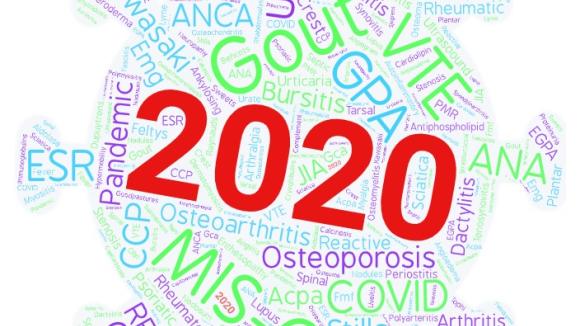
2020 was historic, memorable and game-changing. Under the cloud of COVID-19, there were many significant and memorable advances and setbacks for the rheumatology world. In our accounting of most read articles for 2020, (not surprisingly) 17/20 were COVID-related.
The ProDERM study design and outcomes are previewed in Medicine; and as promised the results were revealed at ACR Convergence in November 2020 showing that IVIg is safe, effective and superior to placebo i(PBO) in patients with dermatomyositis (DM).
Takeuchi et al has published their large experience with long-term tacrolimus use in lupus nephritis patients showing its real-world safety and efficacy.
The diagnosis of axial spondyloarthritis (and anklylosing spondylitis) (axSpA) is often delayed and usually not diagnosed by rheumatologists; a recent metanalysis shows that longer delays were attributable to lower education levels, younger age at onset and absence of extra-articular manifes
According to a recent report in Annals of Rheumatic Disease, public enthusiasm for hydroxychloroquine (HCQ) created significant access issues for rheumatic patients in the early phases of the COVID-19 pandemic.
A novel report from PNAS suggests that in osteoarthritis (OA), the damage is not entirely from body weight and mechanics, instead it may be from adipose tissue itself.
UK Clinical Practice Research Datalink population study shows that patients with immune-mediated inflammatory diseases, such as RA, PMR, GCA and IBD, have an augmented risk of CV outcomes with glucocorticoid use; even lower doses had a near doubling of their underlying CVD risk.
The fate of the Trump administration's "most favored nation" (MFN) rule for bringing down prescription drug prices remains uncertain as President-elect Joe Biden prepares to assume office later this month.
Dr. Jack Cush reviews the news, journal articles and favorite blogs from this past week on RheumNow.com.
A lupus cohort study from British Columbia, Canada has shown that medication adherence with hydroxychloroquine (HCQ) is associated with a 71% to 83% lower mortality.
Recurrent pericarditis is a rare, probable autoinflammatory disorder mediated by interleukin-1 (IL-1); and is often refractory to glucocorticoids and colchicine.
Non-adherence may be the single most untold risk to suboptimal outcomes in the care of musculoskeletal disease. It has been estimated that 30-80% of patients with rheumatic and musculoskeletal diseases (RMDs) are nonadherent to prescribed regimens. EULAR has commissioned a task force
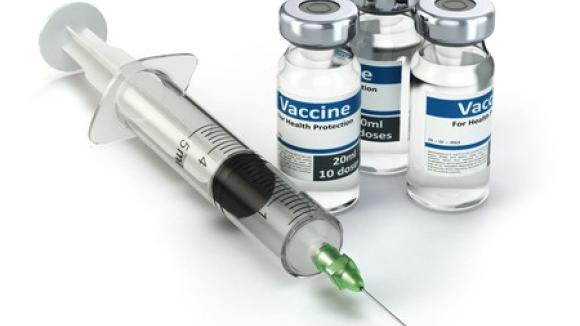
The U.S. Centers for Disease Control and Prevention (CDC) has issued a timeline guidance document on when, how and who should get the commercially available COVID-19 vaccines.