UCSF researchers have found that epigentic changes in interferon genes over time may lead to lupus being less active as they age. Lupus is a “classic” autoimmune disease. It causes the immune system’s first-line viral defenses — known as interferons — to attack the body. Nearly every organ is at risk, leading to conditions like kidney and heart disease. But unlike many other autoimmune or chronic illnesses, lupus can improve as patients reach their 60s and 70s.

All News
A systematic review of anti-RNA polymerase III antibodies (ARA) in systemic sclerosis (SSc) patients finds ARA positivity in only 9% of SSc patients, but come with a higher risk of many potentially worrisome outcomes.
Pesticides and Rheumatoid Arthritis?
Women exposed to pesticides through farm work or as farmers' wives face increased risk for developing rheumatoid arthritis, a new analysis of Agricultural Health Study data indicated.
Dr. Jack Cush reviews the news and journal reports from this past week on RheumNow.com along with interesting case questions from "Ask Cush Anything".
A highly selective, tyrosine kinase 2 inhibitor zasocitinib (TAK-279), was studied in a phase 2b trial and found to be effective and safe patients with active psoriatic arthritis (PsA).
Machine learning analysis of pre-treatment synovial tissue biopsy from rheumatoid arthritis (RA) patients starting either etanercept (ETN), tocilizumab (TCZ) and rituximab (RTX) revealed
Autoimmune hepatitis (AIH) is a chronic, progressive inflammatory liver disease driven by autoimmune mechanisms, characterized by elevated serum aminotransferases, hypergammaglobulinemia, and interface hepatitis on histology.
A 24 year, prospective study analyzing very early rheumatoid arthritis (RA) in three consecutive eras suggests that RA has evolved since 2005, demonstrating less seropositivity, inflammation, and erosions but is characterized by more comorbidity, smoking and corticosteroid use.
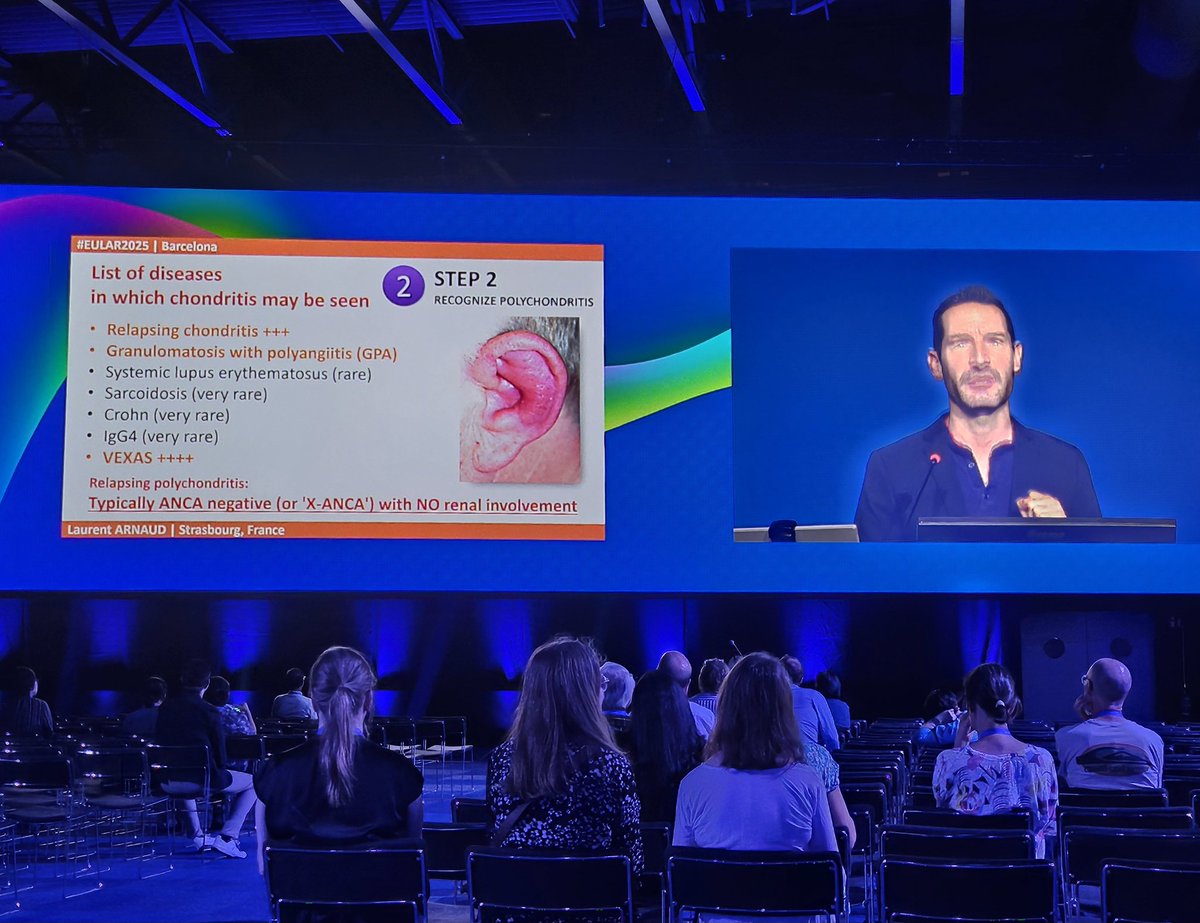
New work presented at the 2025 annual EULAR congress in Barcelona focuses on the recombinant zoster vaccine (RZV), which contains recombinant glycoprotein E – the major target of CD4+T-cells.