The etiology of arthritis was studied using US National Health and Nutrition Examination Survey (NHANES) data and suggested that elevated concentrations of trace elements (TE: Pb, Cd, and Cu) were associated with increased risk of arthritis.

All News
Dr. Jack Cush reviews the news and tries to stump the expert panel this week on the podcast.
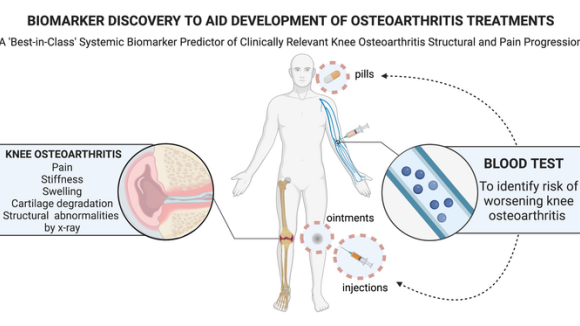
NIH funded researchers from Duke University have developed a set of serum proteomic biomarkers that successfully predict clinically relevant knee osteoarthritis (KOA) progression (both structural change and joint pain) over a 2 year period.
An estimated 100,000 to 120,000 fragility fractures occur annually in the Netherlands, the equivalent of at least 11 broken bones per hour.
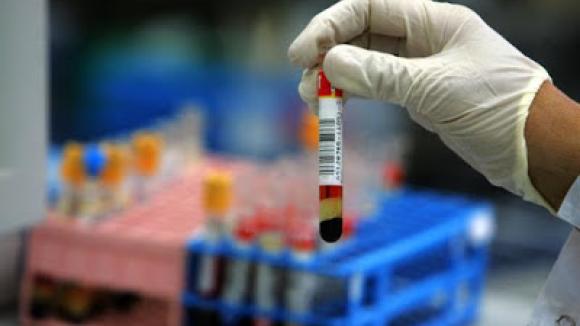
Blood Test Identifies Osteoarthritis Progression
A new blood test that can identify progression of osteoarthritis in the knee is more accurate than current methods, providing an important tool to advance research and speed discovery of new therapies.
A cross-sectional global study shows a substantial impact of obesity and BMI on the health and economic impact of patients with musculoskeletal (MSK) disorders.
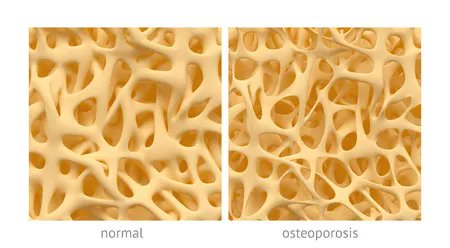
People at high risk of fracture who also have complex or multiple chronic medical conditions are less likely to receive treatment for the underlying osteoporosis and also have poorer health outcomes, according to a new study from the Garvan Institute of Medical Research.
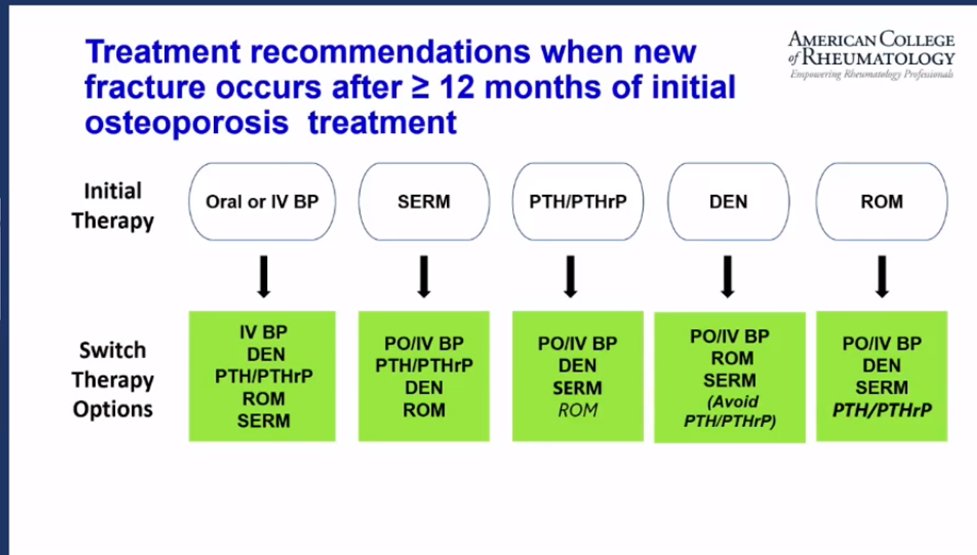
The American College of Physicians (ACP) has updated its 2017 recommendations on pharmacologic treatment of primary osteoporosis or low bone mass to prevent fractures in adults. The full document and guideline can be found in the Annals of Internal Medicine.
The American College of Physicians (ACP) has issued an update of its guideline with clinical recommendations for treatments of primary osteoporosis and low bone mass in adults.
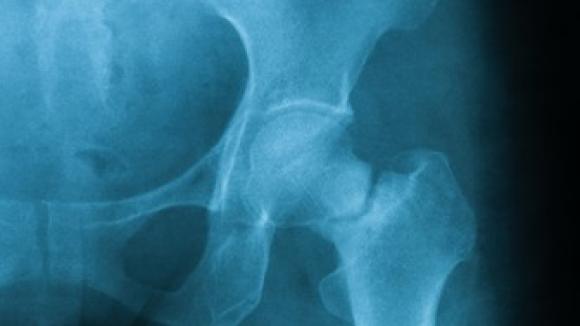
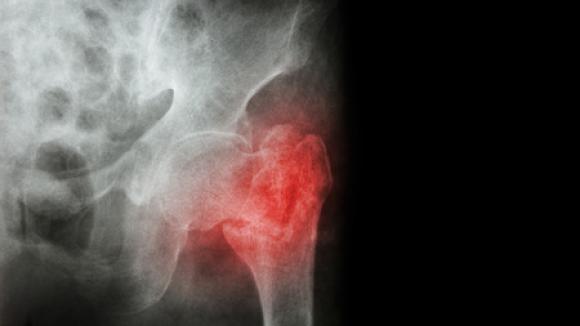
How women can reduce the risk of hip fracture?