
Article
Three new FDA approvals, proteomics, cancer, infectious risk, nonadherence and disappointing clinical trial results covered in this RheumNow Week in Review.

Search for Terms or Answers
Three new FDA approvals, proteomics, cancer, infectious risk, nonadherence and disappointing clinical trial results covered in this RheumNow Week in Review.
Romosozumab is being developed as a novel therapy for osteoporosis. It is a monoclonal antibody that binds sclerostin, and has been shown to increase bone formation while decreasing bone resorption.

2016 has been a big year for biosimilars in rheumatology.

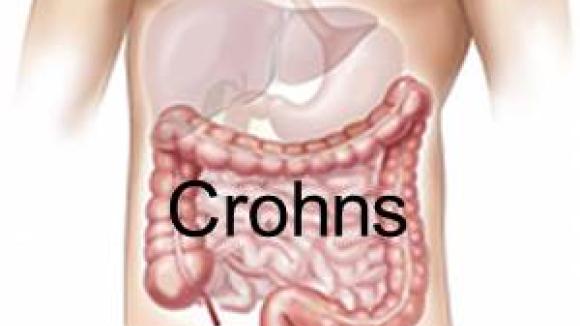
The anti-IL-12/IL-23 inhibitor, Stelara (ustekinumab) has been FDA approved for the treatment of psoriasis and psoriatic arthritis. In the last week, the EMA's CHMP has recommended that the drug also be approved for use in Crohn's disease.
Who makes billions in profits and millions in bonus monies? PBMs and insurers, thats who.
This week United Healthcare and Express Scripts announced new plans to restrict patient and prescriber access to popular, expensive, albeit FDA-approved, medications and biologics.
Who benefits, who loses?

Most US rheumatologists use multiple TNF inhibitors before switching. A new French study suggests that "other-MOA", non-TNF biologics are more effective after failing a TNF inhibitor.

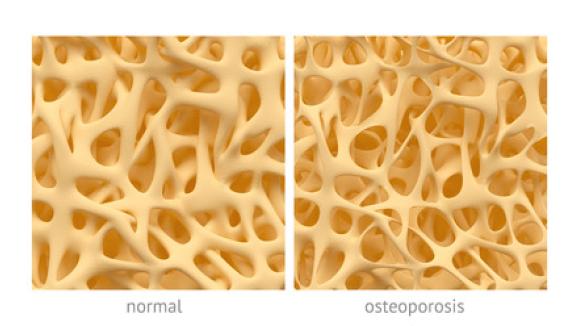
The osteoporsis therapeutics arena is starting to fill with new drugs and novel mechanisms of action.
Updates and journal articles on opioids, drug induced sarcoidosis, cancer and cancer recurrence risks with TNF inhibitors and biologics, and FDA labeling changes.

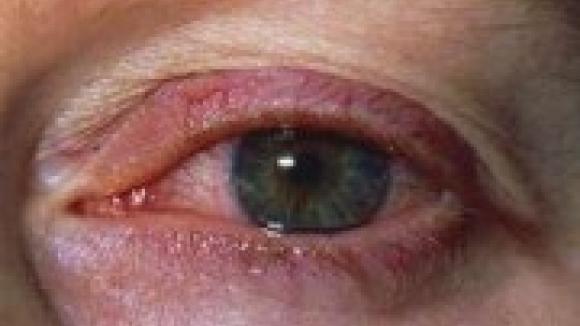
Rheumatologists may encounter patients with intermediate, posterior and pan-uveitis as part of certain rheumatic diseases such as Behcet’s, but more frequently may be called on to co-manage these patients with steroid sparing agents.
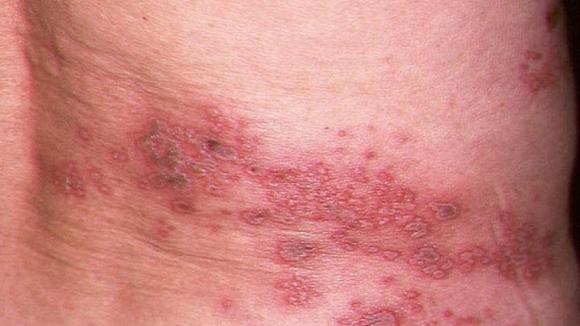
Patients with autoimmune inflammatory diseases who develop herpes zoster are at increased risk of stroke for the subsequent 3 months, with risks diminishing thereafter, analysis of Medicare data showed.
A recent JAMA Internal Medicine report on pharmaceutical-sponsored meals disclosed that a $20 meal provided by a drug company could yields 2-5 times more prescriptions. (Citation source http://buff.ly/2cd58i0)

The 2010 NHANES study suggests that the overall prevalence of osteoporosis (OP) in the USA is ~10% or 10.2 million older adults (> 50 yrs) had osteoporosis.
Yesterday the U.S. Food and Drug Administration approved a new biosimilar, Erelzi, (etanercept-szzs), for the same multipile indications as the originator Enbrel, including rheumatoid arthritis, plaque psoriasis, Erelzi, will be generically labelled as etanercept-szzs.

In 2015, the Food and Drug Administration (FDA) updated the warnings of all marked bisphosphonates to include the risk of osteonecrosis of the jaw (ONJ) and atypical femoral fractures (AFF).

Dr. Jack Cush reviews news and journal reports from the past week on RheumNow.com.
Current guidelines regarding the use of biologics in patients who have previously had a malignancy are based more on opinion than evidence.

A U.S. court has affirmed its decision that the patent for Johnson & Johnson's drug Remicade is invalid. This new ruling favors the intent of Celltrion and Pfizer, who are seeking to bring their biosimilar versions of infliximab to market in the near future.
SHARE (Single Hub and Access point for pediatric Rheumatology in Europe) is a group established in 2012 to develop and optimize diagnostic and management regimens in Europe for children and young adults with rheumatic diseases.
Warnings of cancer, especially lymphoma, have accompanied the development and promotion of tumor necrosis factor inhbitors (TNFi) in the treatment of RA and other inflammatory disorders.
The European League Against Rheumatism (EULAR) has published comprehensive recommendations on reproductive health and family planning for women with systemic lupus erythematosus and/or antiphospholipid syndrome – conditions that largely affect women of childbearing age.

By downloading this material, I acknowledge that it may be used only for personal use and personal education and that I will accredit RheumNow.com as the source and owner of this material. Commercial use or mass reproduction of this material without permission from RheumNow (info@rheumnow.com) is prohibited.

