
Article
Pregnancy often occurs in women with axial spondyloarthritis (axSpA), and a recent cohort study suggests outcomes are generally better than what had been reported in the literature.

Search for Terms or Answers
Pregnancy often occurs in women with axial spondyloarthritis (axSpA), and a recent cohort study suggests outcomes are generally better than what had been reported in the literature.

JUNIPERA study evaluated secukinumab (SEC) in children with enthesitis-related arthritis (ERA) and juvenile psoriatic arthritis (JPsA) and was found to be safe and effective in patients with active ERA and JPsA who previous failed to respond to conventional therapy.

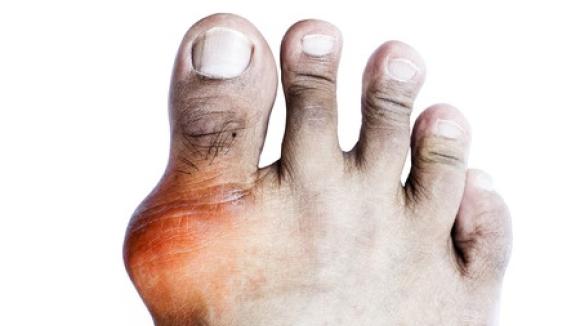
In a cross-sectional study of US adults, gout was more prevalent in black adults compared to white adults; possibly explained by sex-specific dietary differences and social determinants of health and clinical factors.
Global age-standardized mortality rate (ASMR) for 1000000 was for 0.13 for AS, 0.04 for PsA, 0.86 for CD and 0.76 for UC.

We've got a lot to discuss this week: psoriasis; fatigue; sleep; sural nerve biopsies; uveitis and SpA; diet and RA; tofacitinib and the ORAL surveillance study; what not to take with mycophenolate - and more. In what order should these items be discussed? This week the run down is based on popularity, measured by rheumatologist engagements on the website and social media.

MMWR from last week focused on chronic conditions in young adults showing they are common, costly, and major causes of death and disability. Overall arthritis ranks behind five more common chronic condition in young adults - obesity, depression, hypertension, hypercholesterolemia and asthma.

Infection may play an important role in the genesis of vasculitis and ANCA seropositivity; this report suggests that past cytomegalovirus infection may be a risk in the occurrence of venous thromboembolism (VTE) in patients with anti-neutrophil cytoplasm antibody (ANCA)-associated vasculitis.
A cohort study of SLE patients shows that remission and low disease activity (LDA) are associated with less damage accrual over time.

Repeat serologic testing is not uncommon, but is it warranted? A retrospective study shows that repeated testing for autoantibodies to extractable nuclear antigens (ENA) rarely changes the result or adds a new diagnosis.

Patient-reported fatigue is high in patients with psoriatic arthritis (PsA) and often goes under-recognized by physicians. Fatigue importantly impacts physical functioning, work productivity, and health related quality of life (HRQoL).

A population-based study from Ontario, Canada suggests an increased mortality risk in patients with giant cell arteritis (GCA), according to a recent report in Arthritis Care & Research.

MMWR recently reviewed the epidemiology and characteristics of U.S. monkeypox cases seen between May and July 2022.

A small retrospective study suggests that patients with difficult to treat adult-onset Still's disease (AOSD) or sytemic juvenile idiopathic arthritis (sJIA) may respond well to JAK inhibitor (JAKi) agents - presumable by blocking pro-inflammatory cytokines, notably IL-6 and IFN.

Dr. Jack Cush reviews the news, FDA approvals, journal articles from the past week on RheumNow; plus viewer questions. This week great hopes for vitamin D, the great unknows of CSA and the great big mess that is the gout.
The ACR has posted a new ACR Clinical Practice Guideline Summary providing recommendations on the use of vaccinations for children and adults with rheumatic and musculoskeletal diseases (RMDs).

A large case-control study showed that gout patients who experienced a cardiovascular (CV) event were more likely to have had a recent (< 120 days) gout flare compared to those without CV events.

Tan and Buch have reviewed the approach to difficult to treat rheumatoid arthritis (D2T-RA), with a new EULAR definiation of D2T-RA to foster an approach rationale and concideration of treatment options.
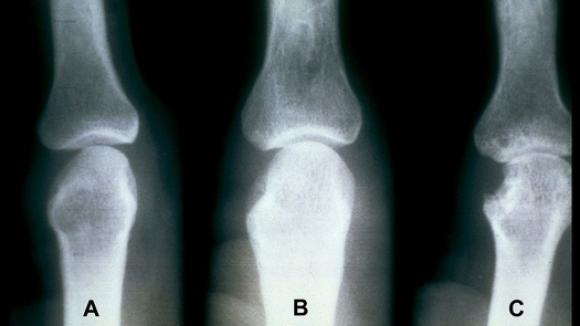
NEJM has published study results showing that vitamin D3 supplementation does not significantly lower fracture risk (vs. placebo) when used in generally healthy adults.

Krill oil supplements in knee osteoarthritis (OA) was shown to be superior to placebo in reducing knee pain, stiffness and function while increasing the omega-3 index.
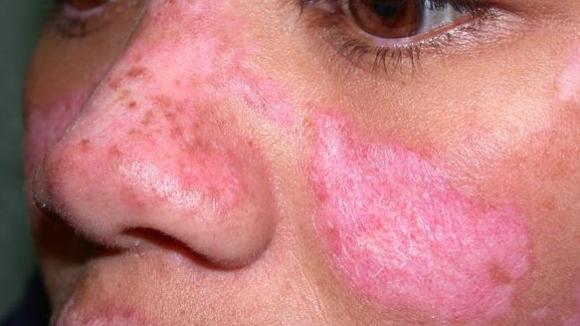
Litifilimab, a humanized monoclonal antibody against BDCA2, targets the BDCA2 receptor on plasmacytoid dendritic cells. When administered to patients with cutaneous lupus erythematosus (CLE) was shown reducing disease activity in CLE patients.
By downloading this material, I acknowledge that it may be used only for personal use and personal education and that I will accredit RheumNow.com as the source and owner of this material. Commercial use or mass reproduction of this material without permission from RheumNow (info@rheumnow.com) is prohibited.

