Dr. Jack Cush reviews the news and journal reports from this past week on RheumNow.com. The podcast covers: best therapies for dactylitis and enthesitis; we have a new knockout for knee pain in OA; and are you on the naughty or nice list when it comes to the new ACR-AF guidelines for arthritis? This and more. Tune in.

All News
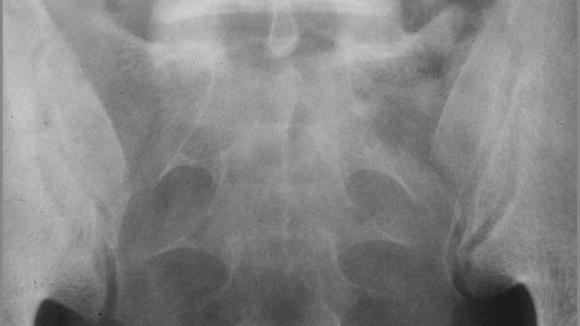
Ixekizumab (IXE), an interleukin-17A (IL-17A) inhibitor, was recently approved for use in ankylosing spondylitis (also known as radiographic axial spondyloarthritis- axSpA).
Current ACR and EULAR guidelines list TNF-inhibitors (TNFi) abatacept, rituximab, and tocilizumab as being equally effective after methotrexate or as second line therapies when treating rheumatoid arthritis.
Rheumatology has a comprehensive overview of methotrexate (MTX) and the risk of lung injury, MTX-related pneumonitis and interstitial lung disease (RA-ILD) with rheumatoid arthritis (RA). Past reports suggest the frequence of MTX-pneumonitis to be between 0.3 and 11.6%; recent studies suggest it may be much lower.
The SEAM-PsA study examined the efficacy of methotrexate monotherapy, etanercept monotherapy or the combination of MTX and ETN in psoriatic arthritis patients, and found that ETN monotherapy was equivalent to combination therapy - and that both were superior to MTX alone in clinical (ACR and MDA) and radiographic responses.
The European Medicines Agency safety committee (PRAC) has concluded that Xeljanz (tofacitinib - TOFA) could increase the risk of blood clots in the lungs and in deep veins in patients who are already at high risk for venous thromboembolic events. The PRAC is recommending that TOFA should be used with caution in patients at high risk of blood clots (VTE), regardless of dose used.
The American College of Rheumatology (ACR), in partnership with the Spondylitis Association of America (SAA) and the Spondyloarthritis Research and Treatment Network (SPARTAN), released the 2019 Update of the Recommendations for the Treatment of Ankylosing Spondylitis (AS) and Nonradiographic Axi
Lancet reports that the selective JAK1 inhibitor, upadacitinib, was effective when given to patients with active ankylosing spondylitis.
A Canadian analysis shows that rheumatoid arthritis (RA) patients are more likely to receive biologic DMARDs earlier if they are younger, female, and living in urban areas closer to prescribers.
Dr. Jack Cush reviews the news and journal reports from the past week on RheumNow.com.
Secukinumabs (SEC) effect on enthesitis in psoriatic arthritis (PsA) was studied in the FUTURE 2 and 3 studies and SEC was shown significantly reduced enthesitis by more than 65% within 14 week.
A Danish registy has shown that the the prevalence of Spondyloarthritis (SpA) diagnosed prior to delivery has increased 5 fold in the last two decades and that SpA is associated with an increased risk of adverse pregnancy outcomes (APO).
This meeting sees new data on using anti-IL-17 agents in non-radiographic axial SpA. Up until now these patients have only had TNF inhibitors available, so data about the efficacy of IL17 inhibitors is really important.
Dr. Jack Cush recaps standout presentations and information from ACR 2019 held in Atlanta November 9-12, 2019.
Below are several of the highlight studies in psoriatic arthritis (PsA) presented at the ACR 2019 annual meeting in Atlanta.
At the 2019 ACR annual meeting, several abstracts looked at the importance of myopia (muscle wasting due to illness at any age) and sarcopenia (age related muscle wasting) in the setting of various rheumatologic diseases.
The ACR Plenary Sessions featured some of the best research presented on Sunday, Monday, and Tuesday in Atlanta. Here are my seven notable highlights from the Plenaries.
Sunday was the first full day of scientific sessions at the 2019 ACR/ARP meeting in Atlanta. Yesterday we shared our initial news articles, videos and more with you. Following is my roundup of day one.
Delays in Diagnosis
There were new developments in the treatment of axial Spondyloarthritis (AS) at ACR 2019. The first area is on the use of anti-IL17A drugs, secukinumab and ixekizumab in non-radiographic AS. The second area is the use of JAK-1 inhibitor Upadacitinib in radiographic AS.