When it comes to hydroxychloroquine dosing, issues on efficacy, toxicity and therapeutic thresholds may affect the optimal use of this important drug.
Following are three abstracts presented during the meeting that address these topics.

All News
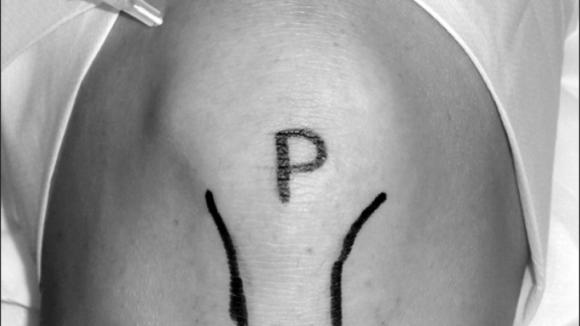
Steroid injections worsen knee arthritis
Two studies comparing injections commonly used to relieve the pain of knee osteoarthritis found that corticosteroid injections were associated with the progression of the disease.
There is a large, unmet need in treating Sjögren’s syndrome, yet a new randomized clinical trial has shown that low-dose interleukin 2 (LD-IL-2) was effective effective and well tolerated in patients with primary Sjögren’s syndrome (pSS), with evidence of restored immune balance.
Deucravacitinib, an oral, selective TYK2 inhibitor, has demonstrated efficacy in a phase II trial active systemic lupus erythematosus (SLE) patients.
Discussions regarding family planning, contraception, and pregnancy should be approached at each clinic visit to ensure providers understand patients’ personal goals. These conversations have the potential to decrease the risk of unplanned pregnancies. However, rheumatologists may need to manage unplanned pregnancies and the impacts of accidental teratogenic exposure.
While have come so far from the days of our patients living on massive doses of steroids, we still have many patients who use steroids for our diseases, with increasing data for toxicity, even in low dose. As someone much smarter than me described them, steroids are our best frenemy.
Hydroxychloroquine remains the backbone of treatment for SLE, and the only drug clinically proven to decrease mortality. Optimization of usage is therefore critical in maximizing benefit and preventing harms. Hydroxychloroquine blood level testing is available in clinical practice and can help guide this management.
Addressing chronic pain often leads general practitioners and specialists to prescribe opioids. However, opioids (weak and strong) have not demonstrated efficacy in long-term pain management; their chronic use could even worsen pain in users. Opioids prescription is often perceived as being safer than NSAIDs prescription, especially in respect to MACE.
In the wake of the 2016 AAOS Guidelines, rheumatologists dutifully reduced the dose HCQ take by patients with SLE to some number south of 5mg/kg per day. Though I believe the ophthalmologists correctly interpreted a 2014 paper in JAMA Ophthalmology that quoted a much-higher rate of HCQ associated retinopathy than had previously been appreciated, they and subsequent guidelines published in the field of rheumatology lacked a critical piece of information: what actually happens when you do this?
It was great to be back at an ACR annual meeting, this one in Philadelphia - Philly was great. A walking town, rich in culture, history and good places to meet and mingle.
I loved the city, but not the convention center (not easy to navigate).
Rheumatic conditions such as SLE and RA exhibit female predominance. In contrast, increasing evidence suggests that gender differences occur in axial spondyloarthritis in terms of time to diagnosis, clinical manifestations, treatment outcomes and quality of life.
Inhibition of B-cell Activating Factor (BAFF) has revolutionised the treatment of patients with systemic lupus erythematosus. However, outcomes of therapies within the same class (i.e. BAFF-inhibitor) when evaluated in randomised controlled trials have been inconsistent.
The last day was jammed with important reports and research including the late breaking abstracts.
A few things we know about opioids: use is common; it’s not efficacious in the treatment of spondyloarthritis; and, there is an opioid epidemic and its users are stigmatized. Abstract 0402 is a retrospective study that looked at patients with psoriatic arthritis or ankylosing spondylitis in the FORWARD databank. It sheds new light and leaves us with some food for thought
One of the enduring legacies of ACR 2022 for me will be the emphasis on polymyalgia rheumatica (PMR). Despite being highly inflammatory and relatively common, a remarkable paucity of trials have been run in this space. Read on for a quick PMR-roundup from the meeting!