The American College of Rheumatology established a guidelines committee that consisted of both patients, rheumatologists and maternal-fetal health experts. After a a systematic review of the medical literature regarding contraception, assisted reproductive technology, fertility preservation, hormone replacement therapy pregnancy, lactation, and medication use in rheumatic disease patients, they published 12 good practice statements and 131 recommendations for reproductive health care in RMD patients.

All News
Dr Jack Cush reviews the news, journal articles and takes a few Back Talk questions this week:
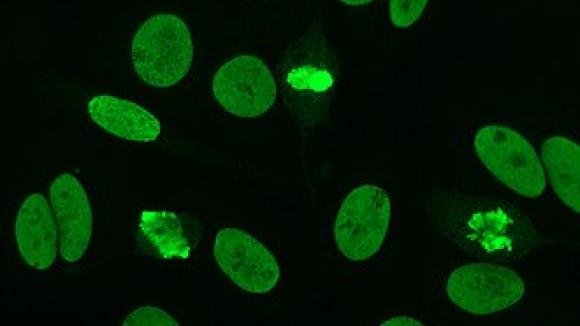
Pisetsky and Lipsky have reviewed the evolving literature on the utility of antinuclear antibodies (ANA). ANAs generated as part of an autoimmune disorder may form immune complexes that mediate pathogenesis by tissue deposition or cytokine induction.
Extraintestinal manifestations (EIMs) frequently accompany inflammatory bowel disease, often augmenting morbidity and mortality are associated with disease activity and may increase the need for surgery or treatment escalation. A recent review in GUT details the treatment options for patients with EIM.
Since patients with SLE have longer life expectancies in the modern era, they may be at elevated risk for HCQ adverse events, including maculopathy and cardiomyopathy. Therefore, Peter M. Izmirly, MD, of New York University School of Medicine in New York City, and colleagues assessed whether older SLE patients could safely discontinue HCQ.
ARD has published a report showing that patients with early rheumatoid arthritis have cardiovascular disease that is modifiable with conventional and aggressive therapy and that it did not matter if first line DMARD therapy was with a tumour necrosis factor-inhibitor or methotrexate.
Annals of Internal Medicine has published a population based study showing that the use of (short term) corticosteroid bursts were associated with GI bleeding, sepsis, and heart failure, often occurring within the first month of steroid therapy.
Lancet Infectious Disease has reviewed the epidemiology, causes, clinical features, and current treatment for the multisystem inflammatory syndrome in children (MIS-C) and adolescents associated with COVID-19, noting severe organ damage can occur pediatric COVID-19 patients who are severely ill.&
CDC reports that gmong 3,248 healthcare personnel (HCP) observed, 6% had antibody evidence of previous SARS-CoV-2 infection; 29% of personnel with SARS-CoV-2 antibodies were asymptomatic in the preceding months, and 69% had not previously received a diagnosis of SARS-CoV-2 infection.
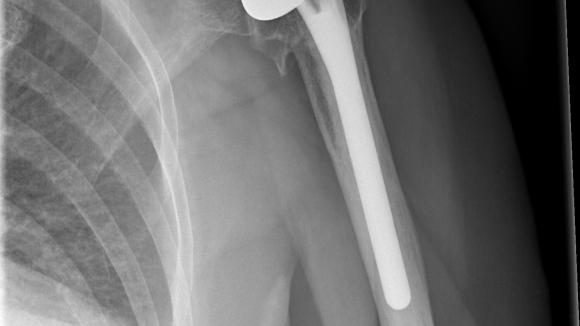
A systematic review of the outcomes of total shoulder replacements (TSR), humeral hemiarthroplasties, and reverse total shoulder replacements finds that approximately 90% of shoulder replacements last for longer than 10 years with good patient-reported outcomes.
Curative direct-acting antiviral therapy (DAAT) for hepatitis-C virus (HCV) infection has been revolutionary, but a novel report shows that nearly one quarter of DAAT treated patients developed new onset or significant worsening of MSK symptoms, despite being negative for hepa
Significant variations were seen across hospitals in the treatment of children admitted with new-onset systemic juvenile idiopathic arthritis (JIA), despite increasing evidence of the efficacy of biologics and the hazards of extended glucocorticoid exposure, a retrospective cohort study found.
A longitudinal study of administrative data from British Columbia shows that nonsteroidal antiinflammatory drugs (NSAIDs) use increases the risk of cardiovascular disease (CVD) among osteoarthritis (OA) patients.
Among patients with systemic lupus erythematosus (SLE), cancer risks overall were associated with older age at diagnosis and male sex, and lung cancer specifically was related to smoking, analysis of data from a large multicenter cohort found.
JAMA has published a clinical update of recent studies on GCA. While PET/CT scanning are novel means of demonstrating activity, they have not changed the diagnostic approach to GCA or PMR and although there are no new proven treatment strategies for PMR beyond glucocorticoids, the FDA has approved tocilizumab as a first-line glucocorticoid-sparing agent.