Two recent reports further characterize the newly described, Kawasaki-like, syndrome affecting children with COVID-19 infections.
The NEJM describes the childhood syndrome as having Kawasaki’s disease, fever, toxic shock syndrome, acute abdominal conditions, and encephalopathy; hence the label Childhood Multisystem Inflammatory Syndrome. The disorder emerged in late April 2020, first in the U.K., and then similar cases were reported from many other countries. The CDC named this multisystem inflammatory syndrome in children (MIS-C).

All News
The American College of Rheumatology (ACR) has released an official position statement supporting the role of telemedicine as a tool with the potential to increase access and improve care for patients with rheumatic diseases.
Data presented at the recent American Academy of Dermatology meeting suggests that interleukin (IL)-23 inhibition with risankizumab was more effective than the IL-17 inhibition (secukinumab) based on a 52 week randomized head-to-head trial in moderate to severe psoriasis patients.
A retrospective, observational study published in Lancet Rheumatology has shown that tocilizumab (TCZ) may reduce the risk of death or the need for mechanical ventilation in severe COVID-19 pneumonia. This observational study included adults, with severe COVID-19 pneumonia, who were hospitalized between Feb 21 and March 24, 2020. All were on the standard of care (ie, supplemental oxygen, hydroxychloroquine, azithromycin, antiretrovirals, and low molecular weight heparin), and a non-randomly selected subset of patients also received TCZ.
Dr Jack Cush reviews the news and journal articles from the past week on RheumNow.com
Multisystem inflammatory syndrome in children (MIS-C) associated with COVID-19 infection has both similarities and differences with Kawasaki disease, and requires distinct clinical management, according to draft guidance from the American College of Rheumatology (ACR).
For years, rheumatologists would rather fight to stay on a TNF inhibitor (TNFi) than switch to a non-TNFi biologic when rheumatoid arthritis (RA) therapy fails.
The largest study, to date, shows that in‐hospital mortality of systemic lupus erythematosus (SLE) patients has significantly improved between 2006 and 2016, with a high mortality burden among U.S. Blacks and Hispanics with lupus.
Among patients with rheumatic diseases, age and female sex were important factors associated with the development of a first adverse event after initiating biologic treatment, Spanish researchers reported.
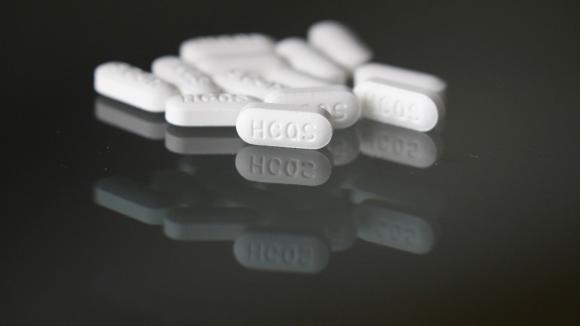
Add this to the list of hydroxychloroquine (HCQ) letdowns in managing COVID-19 treatment or risk - prophylaxis with HCQ fails to prevent COVID-19 infection in those exposed to the SARS-CoV-2 virus.
NEJM has reported a prospective, randomized, double-blind, placebo-controlled trial from the US and Canada wherein adults with household or occupational exposure to someone with confirmed Covid-19 were treated with either placebo or HCQ within 4 days of exposure.
Several recent reports offer conflicting views on the potential benefits and adverse outcomes of IL-6 inhibition with tocilizumab (TCZ) therapy in patients with severe COVID-19 infection.
An Italian study grabbed the headlines yesterday with a press release stating TCZ did not improve respiratory symptoms, ICU admissions or mortality rates when given to 126 COVID patients with early disease. The study, supported by the Italian Medicines Agency (Aifa), stopped enrollment (about 1/3 of projections) after an interim analysis found insufficient evidence that TCZ would be effective. This report has not been published or undergone critical review.
Dr. Jack Cush reviews the news and journal reports from the past week on RheumNow.com.
Yesterday the FDA approved secukinumab (Cosentyx) for the treatment of patients with active non-radiographic axial spondyloarthritis (nr-axSpA). There are now three agents that are FDA approved for nr-axSpA: certolizumab, ixekizumab and now, secukinumab.
The high potency calcineurin inhibitor voclosporin plus standard of care was superior to standard of care alone in a phase III study of lupus nephritis known as AURORA.
The prevalence of atherosclerotic vascular events among patients with systemic lupus erythematosus (SLE) today is considerably lower than in the past, analysis of multicenter data found.
Among patients enrolled in an inception cohort from 1999 to 2017, only 3.6% of patients had an atherosclerotic vascular event, at a rate of 4.6 per 1,000 patient-years, according to Murray B. Urowitz, MD, of the University of Toronto in Canada, and colleagues.
For patients with gout exacerbations while on pegloticase (Krystexxa), adding methotrexate may help reduce uric acid levels, researchers suggested at the European League Against Rheumatism (EULAR) virtual meeting.
In a small open-label study of 14 patients experiencing acute gout attacks, use of the pegloticase/methotrexate combination reduced uric acid levels to near undetectable levels in 11 patients, reported John Botson, MD, medical director of Orthopedic Physicians Alaska in Anchorage. He noted that this was far below the 5 mg/dL level recognized as the threshold for development of inflammation that causes gout attacks.
In this week's podcast, Drs. Artie Kavanaugh and Jack Cush present highlights from the virtual EULAR2020 meeting held June 3-6, 2020. Featured reports include the SELECT-CHOICE study, the EXCEED trial, Avacopan in AAV, BeST mortality outcomes, BLISS-LN study, biosimilars and tofa in systemic sclerosis.