Many patients with rheumatoid arthritis (RA) who achieved remission or low disease activity on biologic treatment were able to reduce the dose of their biologic, particularly if they were also on methotrexate, a retrospective study found.
All News
JAMA Cardiology reports the risk of QT (QTc) prolongation when hydroxychloroquine (HCQ) was given to hospitalized patients with coronavirus disease 2019 (COVID-19), especially when given with azithromycin.
The oral cannabinoid receptor type 2 (CB2) agonist lenabasum showed promising results for systemic sclerosis (SSc) in a phase II study.
The Annals of Rheumatic Disease has published the preliminary recommendations of the German Society of Rheumatology for the management of Inflammatory rheumatic diseases patients during the SARS-CoV-2/Covid-19 pandemic.
These preliminary recommendations are based on an expert consensus from 17 experienced German rheumatologists.
The world has been turned upside down in the last 6 weeks. Medicine and rheumatology have certainly changed – a frightening experience for Chicken Little, a disaster for the pessimist, a challenge for the pragmatist and an opportunity for the optimists amongst us. Last week I asked our audience to tell me their “upside or downside of COVID-19”. Read on to see how your peers have operating or thinking.
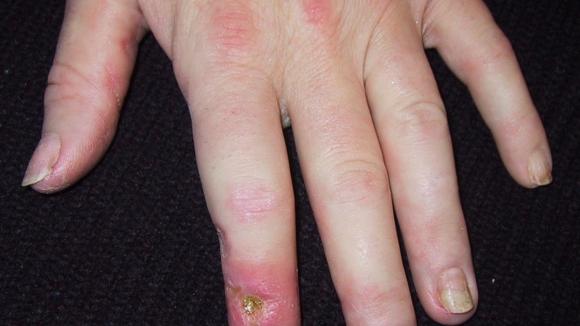
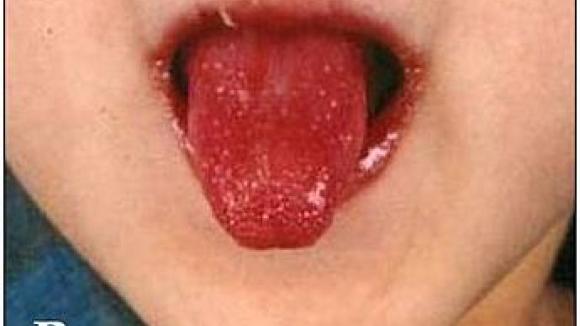
Pediatricians are asking the question - could this be a rare manifestation of COVID-19 in children?
In the last few days there have been encouraging "preliminary" reports that IL-6 inhibition by either tocilizumab or sarilumab may be efficacious in patients with severe coronavirus infections.
Arthritis & Rheumatology reports that biologic (bDMARD) use in rheumatoid arthritis may decrease cardiovascular disease risk by retarding coronary plaque formation and progression (especially non‐calcified and low‐attenuation plaque).
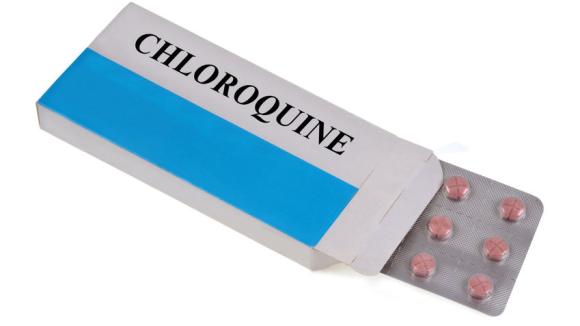
JAMA Open Network reports an interim analysis of the Brazilian CloroCovid-19 trial showing thta higher doses of chloroquine (CQ) in the treatment of severe COVID-19 was associated with QTc interval prolongation and increased mortality.
Dr Jack Cush reviews the news, journal reports, twitter feed and COVID developments from the past week on RheumNow.com
I need your HELP and INPUT.
A pre-proof letter to the editor in the Journal of Allergy and Clinical Immunology presents a series of patients with immunoglobulin deficiency disorders and how they differentially responded when infected with the coronavirus.
They identified seven Primary Antibody Deficiencies patients with COVID-19 infection; five affected with Common Variable Immune Deficiencies and two affected with Agammaglobulinemia, one with X-linked Agammaglobulinemia and one with Autosomal Recessive Agammaglobulinemia.
The FDA issued a new consumer update on what you need to know about Cannabis or Cannabis-derived Compounds, Including CBD. This is part of the FDA effort to answer questions about the science, safety, and quality of products containing cannabis and cannabis-derived compounds, particularly CBD.
A National Institutes of Health (NIH) expert panel has developed consensus treatment guidelines for the management of coronavirus (COVID-19). To date no drug has been proven to be safe and effective for treating COVID-19. Moreover, they found no evidence to recommended the use of hydroxychloroquine for prophylaxis or treatment of COVID-19 outside of a current clinical trial.
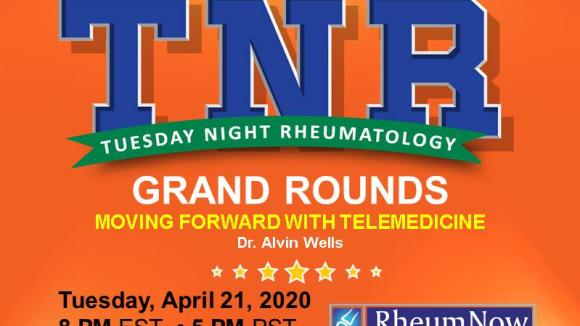
Dr. Alvin Wells gives a primer on Telerheumatology and Telemedicine in the era of COVID-19. This 1 hour Grand Rounds Presentation includes a 30 minute lecture, followed by stimulating 30 minutes of Q&A with a rheumatology attendee audience.
Early reports on the COVID-19 pandemic allude to a cytokine storm or hyper-inflammation, especially in patients who succumbed to the illness.
Patients with rheumatoid arthritis (RA) treated with abatacept (Orencia) had a lower risk of developing diabetes mellitus compared with those receiving certain tumor necrosis factor (TNF) inhibitors, a large cohort study suggested.
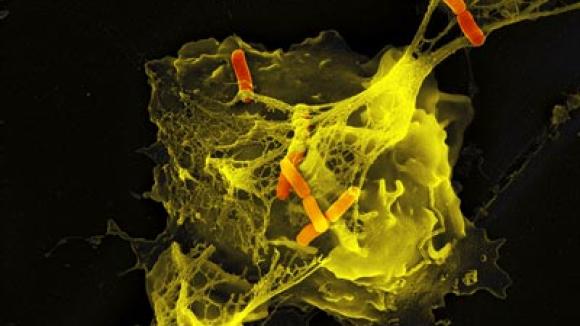
Journal of Experimental Medicine has published a paper from a consortium of researchers at Cold Spring Harbor Laboratory, the Feinstein Institutes for Medical Research, and the Research Institute of the McGill University Health Centre (RI-MUHC) on the potential of neutrophil extracellula