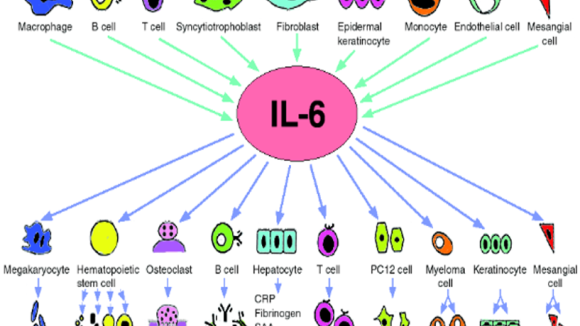
This week's NEJM has published the efficacy results of a large phase 3 trial of olokizumab, a humanized monoclonal antibody that directly targets IL-6 in patients with rheumatoid arthritis.
This is in contrast to two other marketed IL-6 inhibitors (sarilumab, tocilizumab) that bind to the IL-6 receptor.
All News
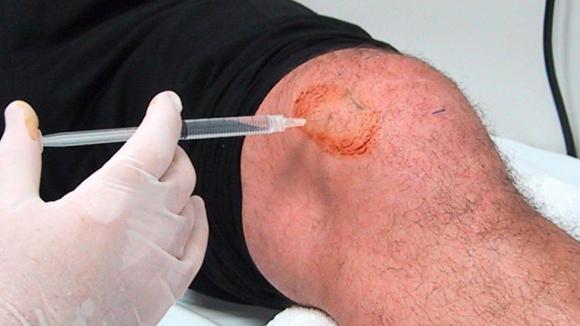
In the United States, where over $300 million is spent annually on intraarticular hyaluronic acid injections, yet another study shows such therapy to be no better than placebo.
The NY Times reports that a recent survey of drug use indicates that daily consumption of marijuana among young adults nearly doubled in the last decade. This is coupled with growing mainstream acceptance of cannabis and hallucinogenic compounds.
A current Medscape article on patient "no shows" in private medical practice examines the cause and approach to the problem.
The most common reason for no shows is lack of knowledge about the scheduled appointment. Here are other common causes of no-shows, and how to address the problem.
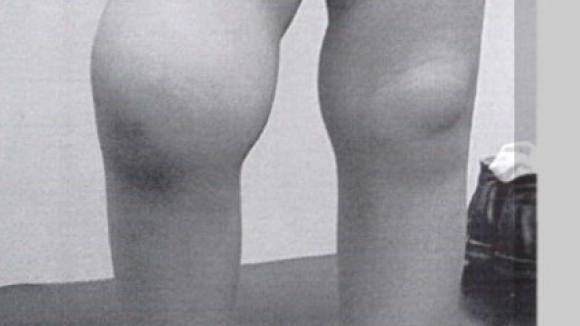
Dr. Jack Cush reviews the news and journal reports from this past week on RheumNow and discusses a case of refractory juvenile dermatomyositis with calcinosis.
With nearly one-third of adults, adolescents and children having sleep difficulties, many resort to using melatonin. JAMA reports substantial increases in the use of over-the-counter (OTC) melatonin, in all age groups. But is it effective, safe and warranted?
The DESIRES trial studied rituximab (RTX) in patients with systemic sclerosis (SSc) and showed clinically significant improvement in skin and lung outcomes after a subsequent 24-week open-label extension phase.
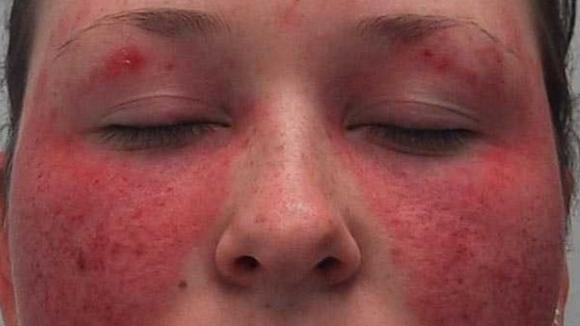
A multicentre, proof-of-concept trial of suggests that low-dose IL-2 therapy may be effective in moderate-to-severe systemic lupus erythematosus (SLE).
A wide range of therapies have been implicated in causing drug-induced lupus erythematosus (DIL); now it appears that proton pump inhibitors (PPIs) can be added to the list of causative drugs.
JUNIPERA study evaluated secukinumab (SEC) in children with enthesitis-related arthritis (ERA) and juvenile psoriatic arthritis (JPsA) and was found to be safe and effective in patients with active ERA and JPsA who previous failed to respond to conventional therapy.
We've got a lot to discuss this week: psoriasis; fatigue; sleep; sural nerve biopsies; uveitis and SpA; diet and RA; tofacitinib and the ORAL surveillance study; what not to take with mycophenolate - and more. In what order should these items be discussed? This week the run down is based on popularity, measured by rheumatologist engagements on the website and social media.
Patient-reported fatigue is high in patients with psoriatic arthritis (PsA) and often goes under-recognized by physicians. Fatigue importantly impacts physical functioning, work productivity, and health related quality of life (HRQoL).
A population-based study from Ontario, Canada suggests an increased mortality risk in patients with giant cell arteritis (GCA), according to a recent report in Arthritis Care & Research.
More Bad Safety News for Xeljanz
Another analysis of the mandatory postmarketing safety study for tofacitinib (Xeljanz) has confirmed what most observers expected: that rates of infection with the drug in rheumatoid arthritis are higher than with tumor necrosis factor (TNF) inhibitors.
A small retrospective study suggests that patients with difficult to treat adult-onset Still's disease (AOSD) or sytemic juvenile idiopathic arthritis (sJIA) may respond well to JAK inhibitor (JAKi) agents - presumable by blocking pro-inflammatory cytokines, notably IL-6 and IFN.