Even with currently available treatment modalities, ESRD is a common complication of Granulomatosis with polyangiitis (GPA) occurring in approximately 25% of patients. Transplantation frequently used for ESRD but has not been applied widely in GPA.
All News
There are two things I learned in rheumatology fellowship.
Never burn any bridges because everyone in rheumatology knows each other
Rheumatologists like their food
From Dr. Michelle Petri’s lecture on Antiphospholipid Syndrome Updates at ACR17 Review Course on Saturday, I learned that there is now a new class of diseases called the complementopathies. This was the first time I heard of this term; how many patients did I misdiagnose who really had this and what are the ICD10 codes?!
The ACR Review Course was superb once again from top to bottom, from Blue Fingers to Practical Treatment of RA. Every year I wonder if I should skip it, but each year I go. And I have never regretted it. Here are my take-home messages and “pearls” from the ACR Review Course.
Responding to criticisms that the 10 year maintenance of certification exam is expensive, time-consuming, and not reflective of clinical practice, the American Board of Internal Medicine recently issued changes to their requirements, allowing more options for physicians to recertify.
Researchers from the University of Alabama at Birmingham (UAB) have detailed mechanisms leading to age-related bone loss and osteoporosis.
Hugo E. Jasin, M.D., a long-time faculty member at The University of Texas Southwestern Medeical Center and the University of Arkansas College of Medicine, passed away on August 24th, at the age of 84 years.
The current issue of JAMA reviews the rising practice of patient recording of medical visits and their legality.
Fewer than half of rheumatoid arthritis (RA) patients at a risk of fracture sufficient to warrant guideline-recommended osteoporosis treatment received appropriate care, according to a large study of U.S. osteoarthritis (OA) and RA patients.
Every rheumatologist knows and every rheumatic patient woes about the havoc weather inflicts on joint pains. Yet, research on this issue has seldom confirmed these impressions.
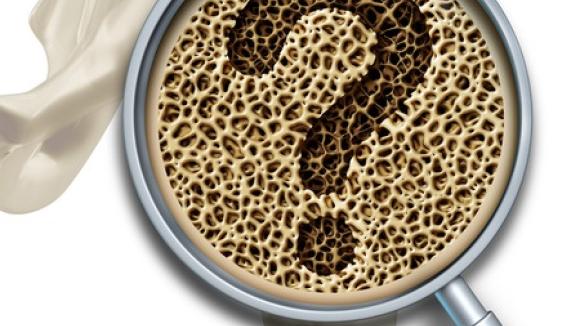
Bone mineral density (BMD) measurement vie DEXA scan commonly used to assess bone density and fracture risk in postmenopausal osteoporosis provides us with approximate assessment of bone health while lacking sensitivity in vertebral fracture risk prediction.
Researchers from Augusta University have examined exosomes from patients with knee osteoarthritis (OA) to enhance our molecular understanding of the pathogenesis of OA. (Citation source http://buff.ly/2tuDZ3v)
Bone turnover markers (BTMs) have been eyed for decades as potential monitoring tools in osteoporosis.
Researchers sought to describe the characteristics of patients with concurrent septic and crystal arthritis through a retrospective analysis of patients with the concomitant diagnoses between 1985-2015 at a university hospital in Spain.
Today during the comorbidities in RA session, Dr. Leonard Calabrese spoke about herpes zoster (HZ).
Today I came across two interesting sessions given by Gossec Laure from France and William Dixon from the United Kingdom. They talked about digital epidemiology in this changing world, as there are approximately 15 billion connected devices and more than 80,000 medical apps.
Rheumatic IRAEs from checkpoint inhibitor therapy are growing rapidly in scope and rheumatologists must be aware of these complications, as they are certain to encounter this type of patient.
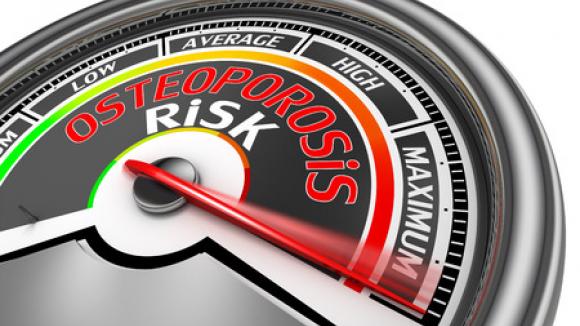
The American College of Rheumatology has updated its 2010 guideline for the prevention and treatment of glucocorticoid-induced osteoporosis. The guideline provides recommendations on assessing fracture risk and treatment for adults and special patient populations, including women of childbearing potential, adults treated with very high-dose glucocorticoids, adults with organ transplants, and children ages 4-17.