Care to learn what you missed at last weeks ACR 2017 meeting in San Diego? Here are 4 one hour audio podcasts - each with a compliation of 2-4 minute reports from Drs. Cush, Kavanaugh, the RheumNow Faculty and other rheumatology thought leaders and researchers. Another good way to learn from RheumNow.

All News
Check out this compilation of our ACR17 Day 3 broadcasts, merged into a single one hour podcast !
Reduction on radiographic progression has now become the standard of care in the therapies used to treat psoriatic arthritis and, during the 2017 ACR Meeting, several agents reported the results of their studies with radiographic endpoints.
With ACR 2017 winding down and the sheer volume of information seemingly overwhelming, I wanted to take the time to write an article regarding a few tips I learned that I will use in clinical practice.
With the emergence of new MOAs for the treatment of psoriatic arthritis in recent years, the most burning question remained if newer agents would perform as well in terms of radiographic progression as they did in clinical domains.
We take many things for granted. I walked 11,151 steps today going from sessions to posters and exhibit halls to learn as much as I can to take back to my clinic so I can help my patients. My feet were hurting, and my back bothered me as I tried to get comfortable for the next lecture; yet, these minor discomforts are nothing compared to what our patients experience on a daily basis.
The pathogenesis between microscopic gut inflammation leading to the development of Crohn’s disease and sacroiliitis has been poorly understood. Dr. Debusschere, et al sought to understand this important link between IBD and axial SpA.
Prof Robert Inman gave a great summary of the state of the art in reactive arthritis (ReA).
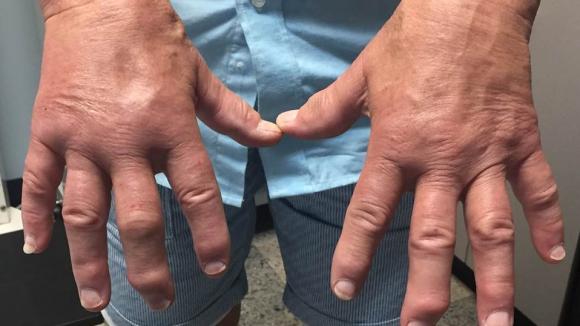
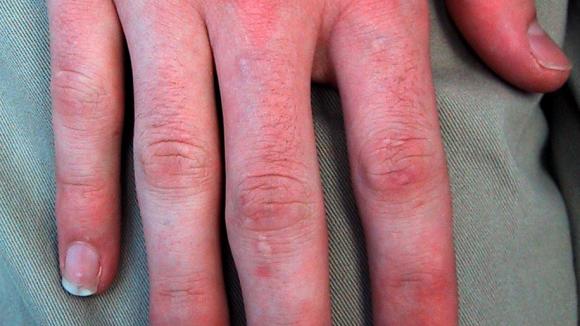
The ACR Review Course was superb once again from top to bottom, from Blue Fingers to Practical Treatment of RA. Every year I wonder if I should skip it, but each year I go. And I have never regretted it. Here are my take-home messages and “pearls” from the ACR Review Course.
Novartis has announce it will present its long-term 4-year data in ankylosing spondylitis (AS) and 24-weeks data in psoriatic arthritis (PsA) to be presented at the 2017 ACR/ARHP Annual Meeting
AbbVie announced that data from 38 abstracts of HUMIRA® (adalimumab) and the company's portfolio of investigational immunology medicines will be presented at the 2017 American College of Rheumatology (ACR)/Association for Rheumatology Health Professionals (ARHP) Annual Meeting, November 3-8, in S
Eli Lilly and Company (NYSE: LLY) announced that it will present new data for baricitinib and Taltz® (ixekizumab) at the American College of Rheumatology (ACR)/Association of Rheumatology Health Professionals (ARHP) annual meeting taking place Nov. 3-8, 2017, in San Diego, Calif.
Not unlike rheumatoid arthritis and other inflammatory disorders, therapeutic efficacy in Crohn's disease (CD) is often assessed clinically. There is growing use and interest in biomarkers of intestinal inflammation, such as faecal calprotectin and C-reactive protein.
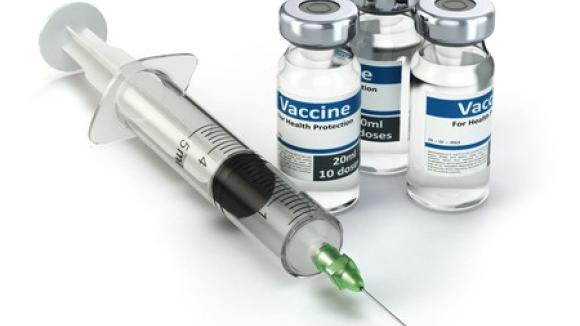
The U.S. Centers for Disease Control (CDC) announced on 25 October they endorsed the use of the new GSK shingles vaccine (Shingrix) over the currently available live-virus vaccine (Zostavax) from Merck.
Using data compiled from annual reports, SEC filings, press releases, company websites, recently released sales figures show that in 2016, 11 of the top 16 rheumatology drugs demonstrated blockbuster sales (>$1 billion per annum). Highlights from this report include:
A primary projected advantage to biosimilar drugs development has been cost savings. A new study from the RAND Corporation suggests biosimilars could cut health care spending in the United States by $54 billion over the next decade. This number is nearly 20 percent greater than a similar study conducted three years ago by the same researchers.
Janssen Biotech, Inc. has announced that the U.S. Food and Drug Administration (FDA) has approved SIMPONI ARIA® (golimumab) the treatment of adults with active psoriatic arthritis (PsA) or active ankylosing spondylitis (AS).
Mease et al has reported in the NEJM the results of a phase 3 trial showing tofacitinib (Tofa) to be significantly more effective than placebo in active psoriatic arthritis (PsA) patients who previously failed to respond to tumor necrosis factor inhibitor (TNFi) therapies.
Johnson & Johnson has announced that they have received an expanded FDA approval for the use of ustekinumab (Stelara) in treating adolescent patients, aged 12 and over, with moderate to severe plaque psoriais.
Although tumour necrosis factor inhibitors (TNFi) are highly effective (on clinical grounds) in ankylosing spondylitis (AS), proof that they may alter the course of spinal radiographic progression has been scant.