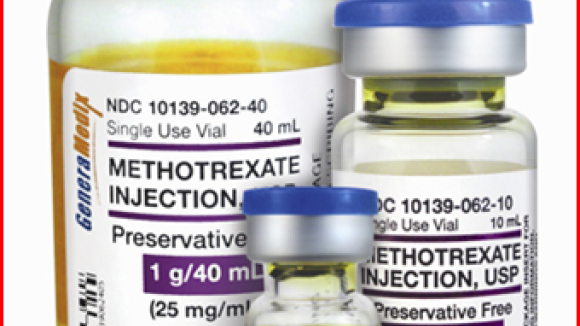
Low-dose methotrexate (LD-MTX) was studied in high risk cardiac patients in the cardiac intervention trial (CIRT), but was prematurely ended for not showing a change in cardiovascular event rates. Nonetheless this trial studied the safety and adverse event rates of LD-MTX and those results are reported in the current issue of Annals of Internal Medicine.
All News
A national claims-based analysis has shown a consistent decline, by commercially insured adults (18-64 yrs), in primary care physician visits from 2008 to 2016; with nearly one half having no PCP visits in a given year by 2016.
Dr. Jack Cush reviews the highlights from the 2020 RWCS meeting in Maui, Hawaii.
The PEXIVAS study showed that plasma exchange did not reduce the incidence of death or ESKD in patients with severe ANCA–associated vasculitis.
Shingles infection has been historically linked to an increased risk of stroke. A new study found that Zoster Vaccine Live, one type of shingles vaccination, may prevent stroke in some older adults.
A report from The National Databank for Rheumatic Disease addressed the impact of alcohol on disease activity and mortality in rheumatoid arthritis (RA) and found that alcohol use was not associated with changes in disease activity or mortality, after addressing confounders.
Recent research from the Lown Institute reports that 750 older Americans are hospitalized daily because of serious side effects from and the core problem is that of polypharmacy, especially in the elderly.
Both allopurinol and febuxostat (Uloric) were associated with an increased risk of hypersensitivity reactions among new users of these urate-lowering therapies, a large U.S. study found.
Interleukin 17 IIL-17) is important in the pathogenesis of psoriatic disease, with most current approaches targeting IL-17A. Now there is a noveal approach showing that dual neutralisation of IL-17A and IL-17F in psoriatic arthritis arthritis patients results in clinically significant improvement.
A registry study of metric use (primarily RAPID3 and CDAI) in the treatment of rheumatoid arthritis (RA) patients shows that, even in the face of moderate or high disease activity, treatment changes by rheumatologists were relatively low (35.6–54.6%).
Abbvie has announced top line results of their SELECT-PSA trial of upadacitinib (UPA), wherein both the 15 and 30 mg doses met the primary endpoint of ACR20 response at week 12 and demonstrated radiographic inhibition at week 24.
Dr Jack Cush reviews the news and journal articles from the past week on RheumNow.com
Obesity has been shown to be a risk factor for the onset of rheumatoid arthritis (RA) and also shown to affect outcomes by impairing responses to many DMARD therapies. A Swiss study of RA patients undergoing bariatric surgery failed to show that bariatric surgery and weight loss had any effect on the incidence of RA.
A metanalysis of phase II, III and IV trials in moderate to severe plaque psoriasis suggests comparative efficacy biologic treatments, but that that brodalumab, guselkumab, ixekizumab, and risankizumab-rzaa were shown to have the past skin (PASI) response rates.
JAMA Internal Medicine has reported that use of low dose aspirin for venous thromboembolism (VTE) prophylaxis after total hip and knee replacement is equal in efficacy to other anticoagulants.
The suggestion to hit rheumatoid arthritis (RA) early and hard with biologic therapies itself took a hit in a new study.
The European League Against Rheumatism (EULAR) has established an international collaborative group (EULAR SS Task Force) to develop the first EULAR evidence and consensus-based recommendations for the management of patients with Sjogens syndrome (SjS).
The BMJ reports that while most US providers are cautious in their prescribing, half of opioid prescriptions are written by 1% of providers.
Between 2003 and 2017, there was an annual average of 669495 providers prescribing 8.9 million opioid prescriptions.
Dr. Jack Cush reviews the news and journal articles from the past week on RheumNow.com.
The NEJM weighs in on the problem of post-menopausal osteoporosis (OP) and tackles the use of hormonal therapy.
The decline in estrogen after menopause may increase risks for osteoporosis, cardiovascular disease, and cognitive decline. The use of hormone replacement therapy (HRT) to obviate these issues may be primarily driven by hot flashes in postmenopausal women.1
Who may benefit from hormone therapy among postmenopausal women?