
Article
Dr. Jack Cush reviews the news and journal reports from the past week on RheumNow.com.

Search for Terms or Answers
Dr. Jack Cush reviews the news and journal reports from the past week on RheumNow.com.

In difficult times, it's reassuring to reflect on the similarities that bring us together. In the case of the EULAR and ACR COVID19 guidelines as discussed at #EULAR2020 by Drs.

NEJM has reported that the use of hydroxychloroquine did not prevent symptomatic COVID-19 infection when used within 4 days after SARS-CoV-2 exposure.
Currently for persons who are COVID exposed, the standard of care is quarantine and there is no known preventative therapy.

Gianfresco et al have published the first peer-reviewed analysis of COVID-19 infected, rheumatic disease patients entered into the Rheumatology Global Alliance registry; showing that a) rheumatic disease patient can be infected with COVID-19, b) that DMARD and biologic use has no apparent effect on outcomes and c) steroid increase and TNF inhibitor decrease the odds of hospitalization.
Two current reports from Boston and Wuhan describe cohorts of COVID-19 (+) rheumatic disease patients who generally do well but appear to have a higher risk of pulmonary involvement.

Hydroxychloroquine (HCQ) has dominated the news in recent weeks, because of poor outcomes reported when used in COVID patients. Yet, a recent report reaffirms what rheumatologists have known for years - that HCQ use is associated with better outcomes in systemic lupus erythematosus, including survival.

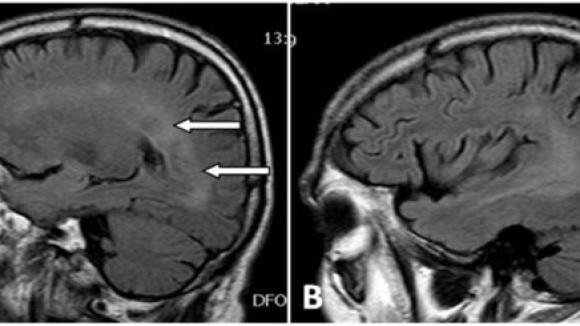
Patients with autoimmune diseases who were treated with tumor necrosis factor (TNF) inhibitors had an increased risk of developing inflammatory central nervous system (CNS) adverse events, a nested case-control study found.
This week's Tuesday Nite Rheumatology features presentations and interviews with Drs. Peter Nash and Philip Robinson. Dr. Robinson presents latest data on the Rheum-Covid.org Registry, that he helped establish under the Global Rheumatology Alliance. Dr. Nash presents the impact of COVID in Australia and pragmatic COVID management.

Nagaraja, Khanna and colleagues have published an overview of current and future therapies in patients with systemic sclerosis (SSc) and have reviewed the potential outcome measures for this difficult autoimmune disorder.
Hydroxychloroquine is one of many medications frequently used in rheumatology practice. Its remarkable versatility is attested by its routine use in lupus, in patients with an autoimmune coagulopathy, in patients with rheumatoid arthritis, as well as in those with a low-level inflammatory arthropathy.

Dr. Jack Cush reviews the news and journal articles from the past week on RheumNow.com.

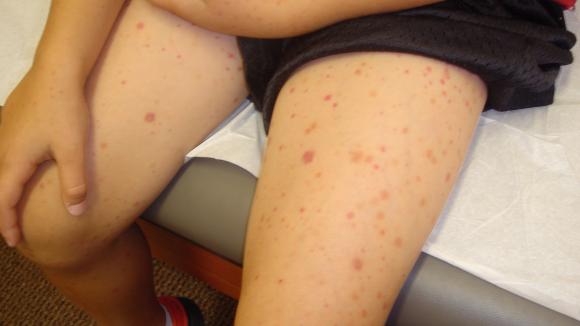
The latest hazardous spinoff to the coronavirus infection is an inflammatory, Kawasaki-like syndrome unique to children or adolescents with COVID-19. Sporadic reports from around the globe of this severe pediatric COVID syndrome have littered the news with brief mentions and little detail.

As data continue to emerge about a multi-system inflammatory disorder in children apparently connected to COVID-19, evidence is growing that this is not your typical Kawasaki disease.
Annals of Rheumatic Disease reports on an analysis of lupus (SLE) patients that shows COVID-19 infection rates were similar between those lupus patients who were taking hydroxychloroquine (HCQ) and those not taking HCQ.

Last night's Tuesday Nite Rheumatology featured Dr. Joan Merrill (OMRF). In her lecture, "What does COVID-19 have to do with lupus?", she discusses the pathogenesis of lupus, and specifically thrombotic microangiopathy, complementopathies, catastrophic lupus syndrome and the potential overlap with the vascular pathology seen with COVID-19 infection.

By downloading this material, I acknowledge that it may be used only for personal use and personal education and that I will accredit RheumNow.com as the source and owner of this material. Commercial use or mass reproduction of this material without permission from RheumNow (info@rheumnow.com) is prohibited.


