
Article
A combination risk score helped predict recurrent thrombosis -- particularly arterial -- among patients with antiphospholipid syndrome (APS), an international study found.

Search for Terms or Answers
A combination risk score helped predict recurrent thrombosis -- particularly arterial -- among patients with antiphospholipid syndrome (APS), an international study found.

A Morbidity and Mortality Weekly Report on a registry of systemic lupus erythematosus (SLE) patients from two Georgia counties (Fulton and Dekalb) shows SLE mortality was 2-3 times higher compared to the general population, especially amongst blacks; notably deaths occurred sooner after diagnosis

A pilot treatment study of patients with anti-aminoacyl-tRNA synthetase antibody–positive polymyositis/dermatomyositis-associated interstitial lung disease (anti-ARS-PM/DM-ILD) shows therapy with glucocorticoids and calcineurin inhibitors (CNI) to be highly effective.
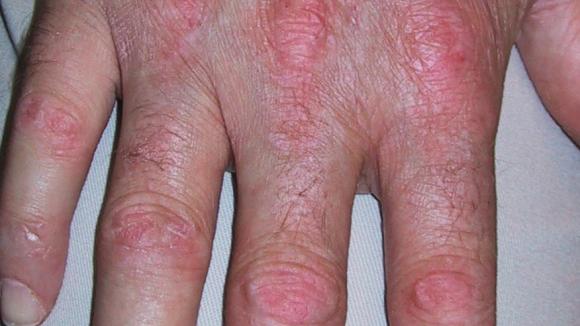
A composite risk score that included three biomarkers predicted thrombotic events among patients with systemic lupus erythematosus (SLE), a cross-sectional study found.

Systemic lupus erythematosus (SLE) is an autoimmune disease with a propensity to develop glomerulonephritis (47-70%) or end-stage kidney disease despite therapy.

A national database reveals that patients with granulomatosis with polyangiitis (GPA) have 22.3% risk of hospital readmissions within 30 days of discharge.
From a total of 9749 hospital admissions with GPA, there were 2173 readmissions within 30 days of discharge.

A small prospective study has shown that ustekinumab is safe and effective in Behçet's disease (BD) with recurrent oral ulcers (OU).

A longitudinal study of systemic lupus erythematosus (SLE) from the Toronto Lupus Clinic has shown that mortality has decreased over time.

JAMA Dermatology reports that patients with hidradenitis suppurativa have significantly more comorbidities than do patients with psoriasis.
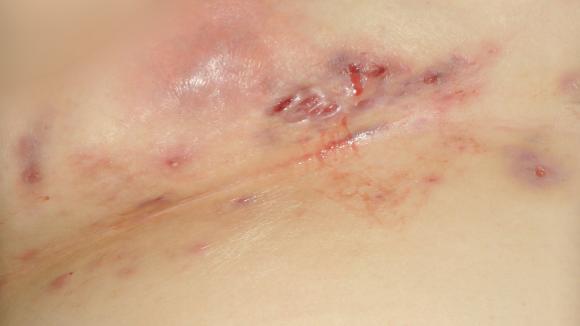
The goal of SLE treatment is remission or low disease activity and flare prevention. Hydroxychloroquine is recommended in all patients with lupus, at a dose not exceeding 5 mg/kg real body weight. Glucocorticoids (GC) should be minimised to less than 7.5 mg/day (prednisone equivalent). Appropriate initiation of immunomodulatory agents (methotrexate, azathioprine, mycophenolate) can be tailored to the clinical scenarios and may allow for tapering or discontinuation of GC.

A French cohort study of 625 systemic sclerosis (SStc) patients has found a significantly increased mortality risk that can be predicted by common clinical variables.
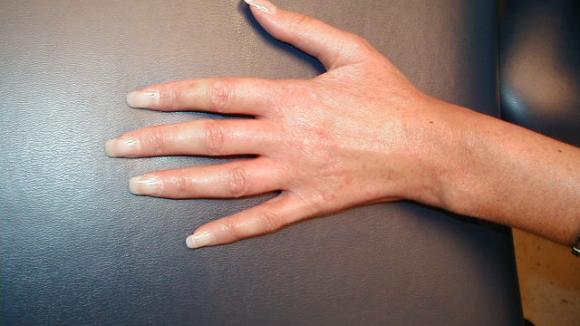
The advent of "big data" and "-omics" technologies offers hope that clinicians will soon have better diagnostics for systemic lupus erythematosus, rheumatologists here were told.

Prior to the introduction of tocilizumab to manage giant cell arteritis (GCA), glucocorticoids (GC) have been the mainstay of therapy, but has been limited by relapses in disease.

What clinical features best identify early systemic lupus erythematosus (SLE) patients from mimics? A multicenter, multinational study aimed to evaluate manifestations at disease onset and to compare early SLE manifestations to those of diseases mimicking SLE.
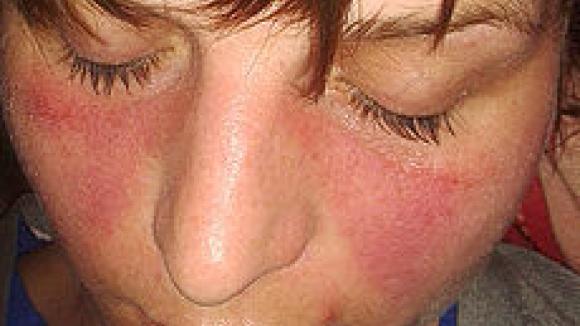
A twin registry database study was presented at the Endocrine Society's annual meeting (ENDO 2019) in New Orleans, showed that that having autoimmune disease significantly increases the risk of other autoimmune disorders and that autoimmune clustering was highest in Addison's disease and vit

Rates of resistant hypertension were doubled among patients with systemic lupus erythematosus (SLE), significantly increasing their mortality risks, a retrospective single-center study found.

The mortality rate from end- stage renal disease (ESRD) in lupus nephritis (LN) patients has significantly decreased in the last decade.

A Lancet study has shown that adding cyclosporin to intravenous immunoglobulin (IVIG) Kawasaki disease patients, who were predicted to be resistant to IVIG, was both safe and effective in averting severe coronary artery outcomes.

The Myopathy Committee of the Brazilian Society of Rheumatology (BSR) has put forward recommendations for the management of patients with systemic autoimmune myopathies (SAM).

A EULAR international committee of 15 experts in pediatric rheumatology have established consensus-based recommendations for the management of juvenile localised scleroderma (JLS).
By downloading this material, I acknowledge that it may be used only for personal use and personal education and that I will accredit RheumNow.com as the source and owner of this material. Commercial use or mass reproduction of this material without permission from RheumNow (info@rheumnow.com) is prohibited.

