
Article
A small cohort study has evaluated the utility of the minimal disease activity (MDA) criteria that has been advocated for use in psoriatic arthritis (PsA) studies and clinical trials.

Search for Terms or Answers
A small cohort study has evaluated the utility of the minimal disease activity (MDA) criteria that has been advocated for use in psoriatic arthritis (PsA) studies and clinical trials.
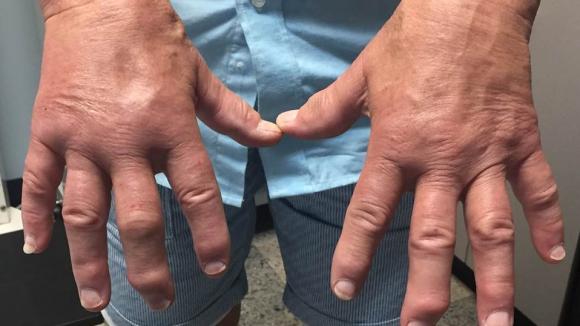
The use of opioids has become increasingly problematic in the last few years. First, the rising rates of use and abuse, followed by greater restrictions and regulations that have curtailed use, and, finally, a resultant increase in illicit drug use (heroin) and opioid overdoses.
Highlights from this week at RheumNow.com:
Healio reports that patients followed in a combined Dermatology and Rheumatology clinic in Canada revealed high patient satisfaction.

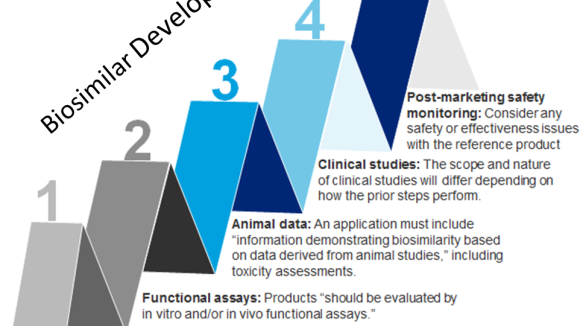
As the number of biosimilars in development keeps on growing, reaching nearly 700 products to date, demand for data from randomized controlled trials (RCTs) and an understanding of these new biologics is peaking the interest of many.

The frequency of not returning (lost to follow-up) (LTFU) in patients with rheumatic diseases is high. Associated demographic factors included older age in RA, female gender in SLE and Ps/PsA, and younger age in Ps/PsA, with various reasons for being LTFU.

The UNCOVER-2 and UNCOVER-3 trials were presented at the American Academy of Dermatology (AAD) Annual Meeting taking this week in Washington, D.C.
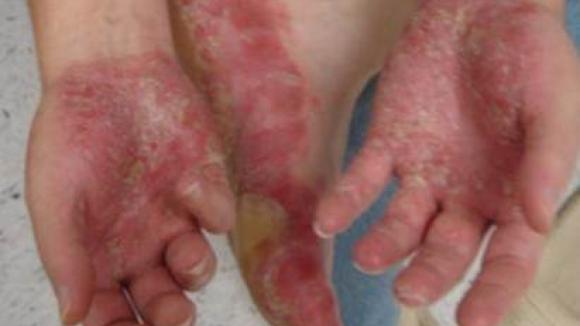
It is estimated that nearly 30% of psoriasis patients will develop psoriatic arthritis (PsA). This prevalence was studied by performing MRI scans on asymptomatic psoriasis (n=56) and 30 control patients without arthritis.
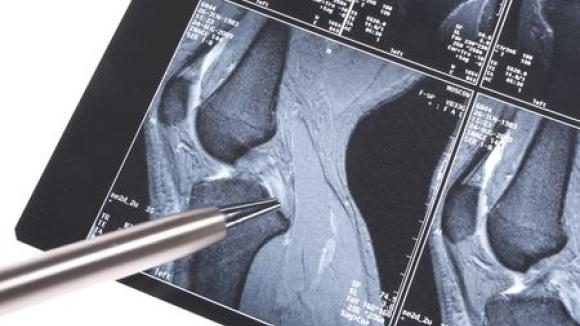
The following is a collection of cases presented to me by rheumatology colleagues. Each has a challenging therapeutic or safety issue. Answers are based on experience with references from literature and guidelines.

CBC…it’s easy as 123! The complete blood count (aka, CBC) is the most routine, but indispensable, of all medical assessments.
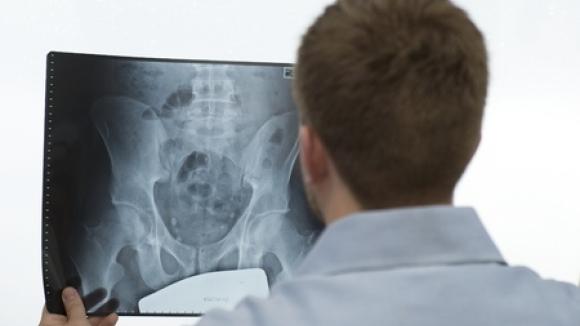
Increased use of MRI for diagnosis of spondyloarthritis (SpA) in the last two decades has led to earlier diagnoses and gradual incorporation of MRI into the SpA assessment toolset.
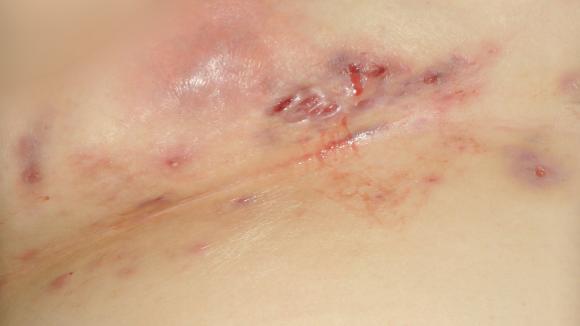
Hidradenitis suppurativa (HS) is a chronic inflammatory disease affecting exocrine glands with painful abscesses in intertriginous areas.
Update on Ankylosing Spondylitis and Spondyloarthritis
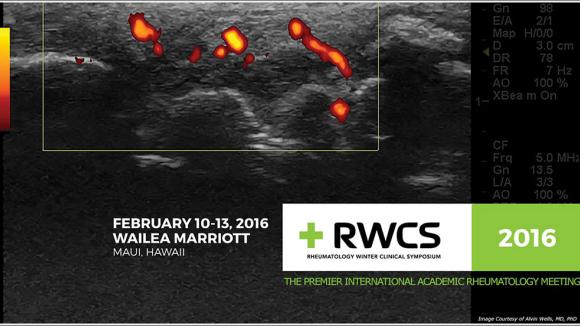
The Rheumatology Winter Clinical Symposia launched its 9th annual conference yesterday in Maui. Highlights of this meeting will be covered by RheumNow from Wednesday 2/10 till Saturday 2/13.
Rheumatoid Arthritis Year in Review
On Tuesday February 9th Celltrion presented its biosimilar developmental data to the FDA as they sought approval for their CT-P13 (called Inflectra), a biosimilar of infliximab (Remicade).

The arthritis advisory committee of the Food and Drug Administration (FDA) is scheduled to meet today, February 9th to review the efficacy and safety of Celltrion's biosimilar form of infliximab (Remicade) that is currently marketed in other countries.

Until the advent of TNF inhibitor therapy, nonsteroidal antiinflammatory drugs (NSAIDs) were the only effective treatment for ankylosing spondylitis or spondyloarthritis (SpA). More recently, several reports have suggested clinical and radiographic benefits to sustained NSAID use.

A population-based study of 1,272,424 live-born infants from Denmark and Sweden examined the prevalence of birth defects among infants born to 683 women with chronic inflammatory disease (inflammatory bowel disease, rheumatoid arthritis, ankylosing spondylitis, psoriatic arthritis, or psoriasis)
CT-P13, a biosimilar of infliximab (Remicade), demonstrated comparable and durable efficacy in the treatment of ankylosing spondylitis (AS), a multinational study found.
Apremilast, a novel phosphodiesterase 4 (PDE4) inhibiting conversion of cyclic AMP to AMP, was approved for treatment of psoriatic arthritis (PsA) after showing its efficacy in 16 weeks PALACE 1, 2, and 3 trials in 2014.
By downloading this material, I acknowledge that it may be used only for personal use and personal education and that I will accredit RheumNow.com as the source and owner of this material. Commercial use or mass reproduction of this material without permission from RheumNow (info@rheumnow.com) is prohibited.

