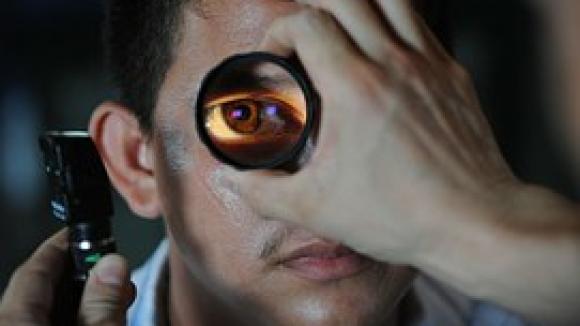
Hydroxychloroquine retinopathy prevention guidelines have revised from ideal body weight-based dosing to actual body weight-based dosing; the question remains whether these have been adopted in clinical practice.
A database of nearly 21,000 new HCQ users from a UK general population database studied HCQ dosing and use between 2007 and 2016. Specifically they examined whether users were subjected to excess HCQ dosing per ophthalmology guidelines (defined by exceeding 6.5 mg/kg of IBW and 5.0 mg/kg of ABW).
All News
Ronald F van Vollenhoven and colleagues have reported in Lancet that ustekinumab (UST), an interleukin-12 and -23 inhibitor, when added to usual therapy in systemic lupus erythematosus (SLE) patients, was shown to be superior to placebo at improving clinical efficacy and laboratory param
Dr. Jack Cush reviews the news from RheumNow for the week ending 12/21/18.
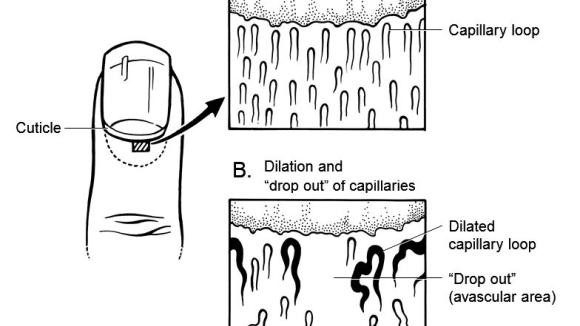
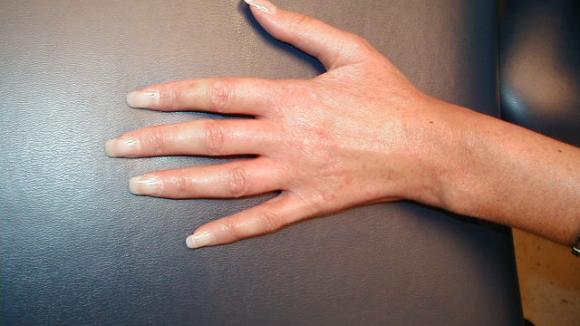
A study of nailfold videocapillaroscopy (NVC) in patients with idiopathic inflammatory myopathies (IIMs) finds abnormalities in more than half of patients suggesting this could be a useful clinical tool in diagnosing and managing patients with IIM.
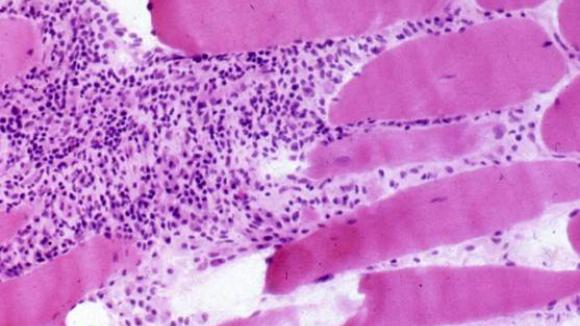
Several epidemiological studies have reported that a diagnosis of DM or PM may be associated with increased cancer risk. The association appears stronger for DM than PM.
The risk for cancer in systemic lupus erythematosus (SLE) patients has been inconsistently studied. A new metanalysis shows that SLE has an increased risk for 16 specific cancers and decreased risk for prostate cancer and cutaneous melanoma.
Dr. Jack Cush reviews the news and new journal articles from the past week on RheumNow.com:
A comparative cohort study assessing the quality of care in patients with systemic lupus erythematosus (SLE) suggests that a dedicated lupus clinic has better quality measure performance compared to lupus management in a general rheumatology clinic.
Dr. Jack Cush updates the news and reports from the past week at RheumNow.com:
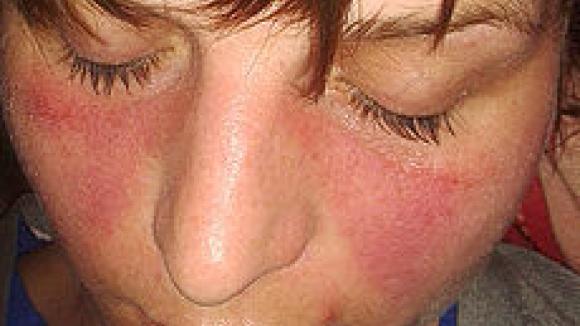
A multicenter study of early systemic lupus erythematosus (SLE) patients examined manifestations at disease onset and found that certain clinical features can help to distinguish early SLE from other SLE‐mimicking conditions.
Patients with systemic lupus erythematosus (SLE) remain at risk for accelerated atherosclerosis, and important questions have yet to be answered, British investigators reported.
The AURA-LV trial assessed voclosporin, a calcineurin inhibitor in patients with active lupus nephritis (LN) and found that low-dose voclosporin may be successfully added to mycophenolate mofetil and corticosteroids to controll active LN.
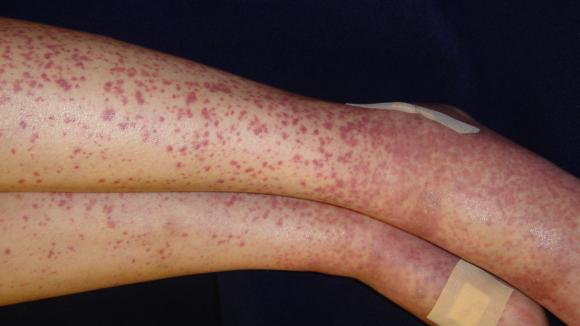
Management of Henoch-Schonlein purpura (HSP) can be challenging as supportive care and avoidance of corticosteroids are often insufficient options. A new series of case reports and literature review of steroid refractory HSP suggests that rituximab may be effective in reducing hospital admissions, overall steroid use, and is capable of inducing remission.
Frustration may be the word that best characterizes many scleroderma management plans - owing to a lack of trials, lack of agreement and lack of clear guidance on management.
The current MMWR reports that arthritis is seen in nearly one-third of adults with prediabetes and that more than half of such patients are obese and not engaged in regular physical activity.
Dr Jack Cush reviews the News and Journal reports from the past week on RheumNow.com. Be sure to check out our upcoming meeting in March 2019 - RheumNow Live.
Boston researchers have found that in a large cohort study of patients receiving rituximab (RTX), most were not being monitored for hypogammaglobulinemia, despite the observed significant increase in severe infections and increased mortality in RTX treated patients.
As Dr. John Stone, MD, MPH recounted in his presentation regarding the new ACR/EULAR Classification Criteria for IgG4-Related Disease (IgG4-RD), only 15 years prior, IgG4-related disease was an unknown entity in the medical community.
Dr Jack Cush reviews the news and journal reports from the past week on RheumNow.com.
This past week in Chicago gave us a plethora of new and eye-opening research, people, KOLs, exhibits, sessions, guidelines, posters and a never-ending supply of coffee served in small paper cups. ACR 2018 highlights for me included: