
Article
Paine and Ritchlin have reviewed the evidence that new bone formation is centered around enthesial sites and that such findings are evident in psoriatic arthritis as well as psoriasis patients without arthritis.

Search for Terms or Answers
Paine and Ritchlin have reviewed the evidence that new bone formation is centered around enthesial sites and that such findings are evident in psoriatic arthritis as well as psoriasis patients without arthritis.
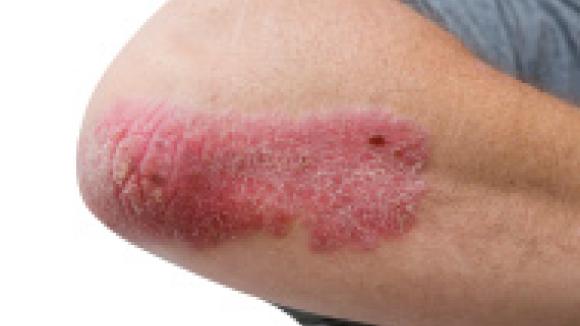
TNF blocker Induced Psoriasis: Take Home Messages
Biosimilars are in the news and will be prominently on parade at next week's ACR meeting in San Francisco. Biosimilars are similar to, but not the same as, innovator biologics.

Using Medicare claims data, a retrospective cohort study analyzed the risk of a second non-melanomatous skin cancer (NMSC) in 9460 individuals (6841 with RA and 2788 with IBD).

Rheumatology News reports the results of a novel trial presented at the European Academy of Dermatology and Venereology meeting in Copenhagen.
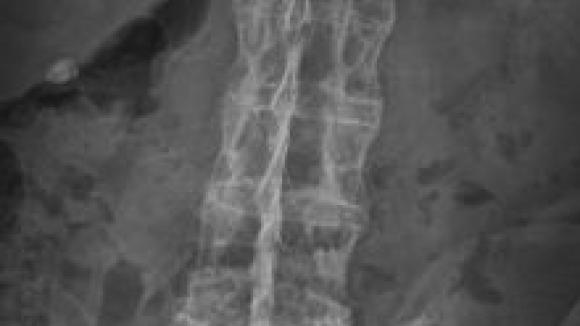
Vertebral fractures are not uncommon in patients with ankylosing spondylitis and spondyloarthritis.
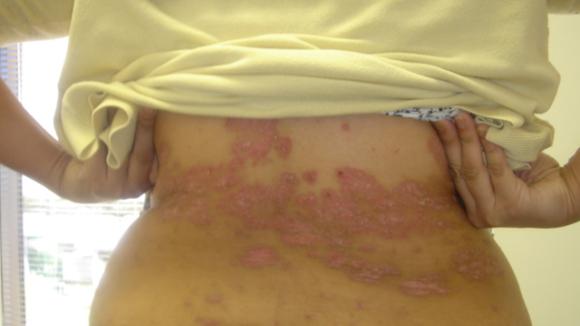
A recent presentation at the European Academy of Dermatology and Venereology (EADV) meeting in Copenhagen showed the long-term outcomes of weight loss in psoriasis.

The FDA has denied Pfizer's application seeking an indication for Xeljanz in patients with moderate to severe chronic plaque psoriasis.
AMAGINE-2 and AMAGINE-3 are in two phase 3 studies that compare multiple doses of brodalumab (anti-IL-17) and ustekinumab (anti-12/23) in adults with moderate-to-severe psoriasis.
Biologic and new drug development seldom targets children and adolescents. This study evaluated the efficacy and safety of ustekinumab in adolescents age 12 to 17 years with moderate-to-severe psoriasis,
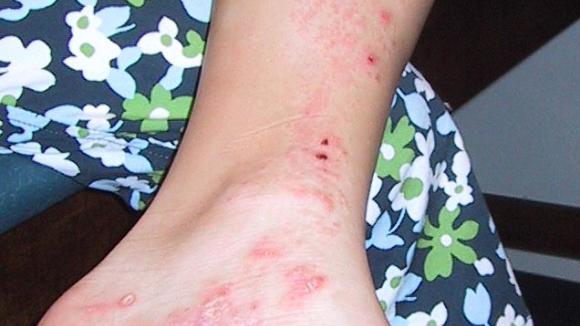
Mease and colleagues have published their results of a phase 3 trial of secukinumab (anti-IL-17A Mab) in 606 patients with psoriatic arthritis (PsA).
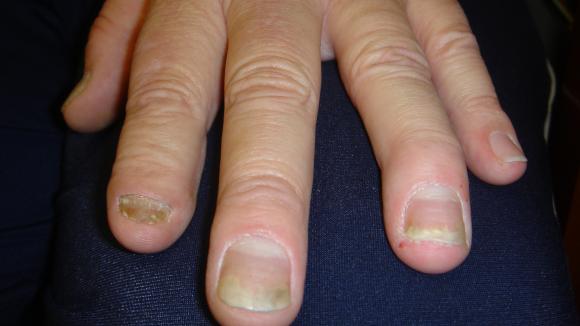
Tight control in rheumatoid arthritis was introduced with the TICORA trial and validated in numerous treat-to-target studies since. Now the benefits of tight control in psoriatic arthritis (PsA) have been reported.
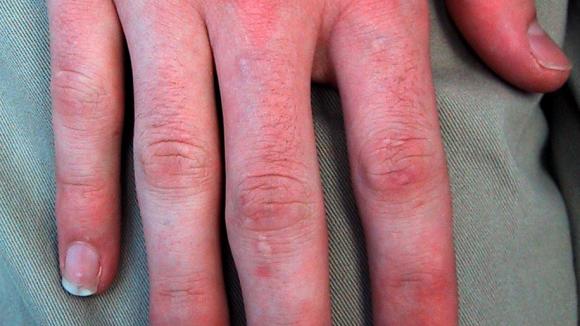
The ACR and SPARTAN (Spondyloarthritis Research and Treatment Network) has worked together to study 57 specific treatment questions regarding AS and SpA. The following guidelines have recently been published after conducting systematic literature reviews.

Biologics have been a great advance in therapeutics, but at great cost. Although biologics account for less than 1% of all prescriptions in the USA, they account for 28% percent of the cost of prescribed medications.

Biosimilars are rapidly growing. Many of these will have their first introduction to countries outside of the USA. There is concern whether biosimilars will provide identical pharmacodynamics, biological function, efficacy and toxicity to reference products, both in the short and long term.

Secukinumab (Cosentyx) is an anti-IL-17 monoclonal antibody currently approved for use in moderate to severe psoriasis. It has also been studied in psoriatic arthritis (PsA) and shown to be safe and effective.
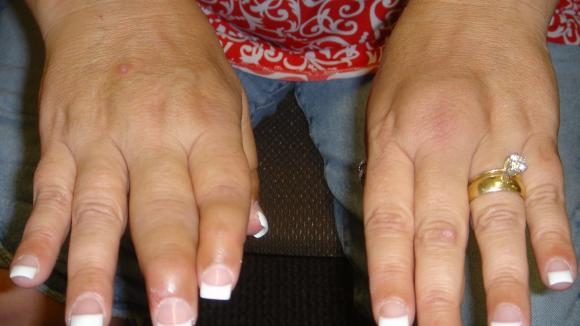
Axial SpA (axSpA) is a chronic inflammatory disease that includes AS and non-radiographic axSpA (nr-axSpA).
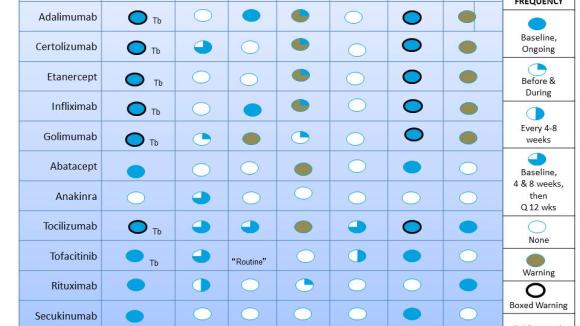
The rheumatology therapeutic landscape has changed almost yearly in the last 15 years, with the introduction of at least 16 biologic or novel agents for the treatment of rheumatoid arthritis (RA), psoriatic arthritis (PsA), ankylosing spondylitis (AS), spondyloarthritis (SpA), juvenile arthritis,
A nationwide study of 8600 ankylosing spondylitis (AS) patients from Sweden, compared survival to 40,460 controls between 2006-2012.
Reuters reports that Valeant Pharmaceuticals International Inc (a Canadian Pharmaceutical company) is buying rights to AstraZeneca's late-stage experimental psoriasis drug, brodalumab, after it was dropped by codeveloper Amgen Inc in May. Amgen pulled out of the project b

By downloading this material, I acknowledge that it may be used only for personal use and personal education and that I will accredit RheumNow.com as the source and owner of this material. Commercial use or mass reproduction of this material without permission from RheumNow (info@rheumnow.com) is prohibited.

