The CDC has updated its Guideline for Prescribing Opioids for Chronic Pain and includes recommendations for managing acute (duration of <1 month), subacute (duration of 1–3 months), and chronic (duration of >3 months) pain.

All News
Dr. Jack Cush discusses the news and journal reports from the past week on RheumNow. This week more lupus nephritis, more drug induced lupus and more lupus infections that may kill.
Dr. Jack Cush goes off on "Untitling" (not using proper names/titles) in the clinic, in addition to reports on rheumatologist salaries, new drugs in phase 1-3 development and the range of COVID-19 MSK symptoms -- all from the past week on RheumNow.com.
Below are this week’s highlights from RheumNow, as discussed by Dr. Jack Cush. Thanks to all of you for your kind comments and great reviews of our weekly podcast. Please let us know how we can improve by emailing me or recording your suggestion using the "Ask Cush Anything" link on our website.
Spanish Scleroderma Registry examined a large cohort of systemic sclerosis (SSc) patients showing an increased cancer risk, especially breast, lung, hematologic and colorectal cancer.
The registry included 1930 patients with SSc and were compared to a matched general population to derive the standardized incidence ratios (SIRs) and independent cancer risk factors.
A recent review of the myositis associated autoantibody NXP-2 profiles its clinical associations with dermatomyositis (DM), calcinosis, severe myositis and, in some reports, with cancer.
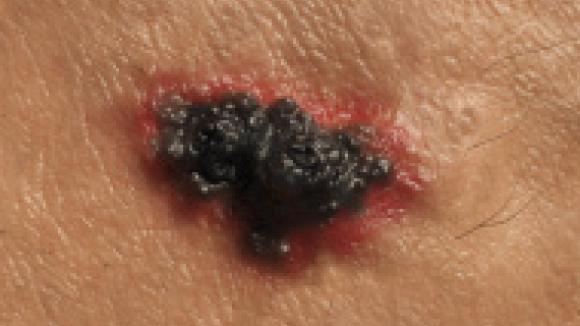
A systematic review suggests that low-dose methotrexate (MTX) use is associated with an increased melanoma risk, but the absolute risk increase could be considered negligible.
Dr. Jack Cush discusses declining survival rates in the USA, FDA approvals of new COVID subvariant boosters and other odd and possibly true new research reports from the past week on RheumNow.com.
Not all patients with periodic fevers fit neatly into diagnostic categories. Some can be diagnosed as Still’s disease (based on criteria) while others can be classified as autoinflammatory diseases (AID) and some may be unclassifiable, clinically or genetically.
For 2022, let's look our top 10 list of advances, game-changers, worries and those better medical practices that evolved during 2021.
For autoimmune patients with a history of malignancy, the initiation of biologic or targeted synthetic disease modifying agents (bDMARD/tsDMARDs) may provoke concern.