
Article
Saturday was the day 2 with many posters and live sessions at the 2020 Virtual ACR/ARP meeting. Here are a few of my highlights from day two:

Search for Terms or Answers
Saturday was the day 2 with many posters and live sessions at the 2020 Virtual ACR/ARP meeting. Here are a few of my highlights from day two:

The RheumNow faculty reporters have been glued to their monitors all day, viewing video, reading and listening to abstract presentations and I charged them to earmark those presentations were the “Best” they saw today. Below is the list of most often noted #ACRbest abstracts from Day 1.

Each pharmaceutical company has spent months and years preparing to present and highlight their featured clinical trials and abstracts at ACR 2020. This is our selection of their best studies for you to review and evaluate as part of your to-do list.

The risk of serious infections (SIE) in RA patients given anti-TNF (TNFi) therapy is not static, instead it has been shown to be greatest in the first 6 months of use according to a recent report in Rheumatology.

The SPIRIT-P1 study has demonstrated the safety and efficacy of ixekizumab (an IL-17A antagonist) when given to adults w/ active psoriatic arthritis (PsA), and also demonstrating radiographic protection and improvement in skin outcomes as well.
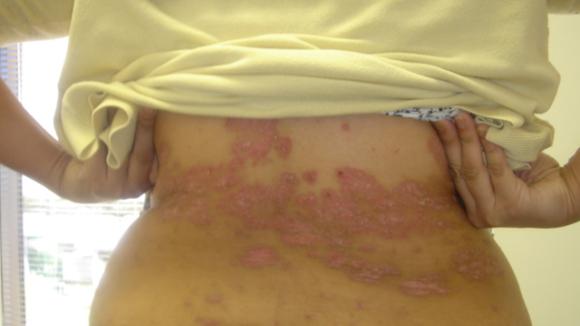
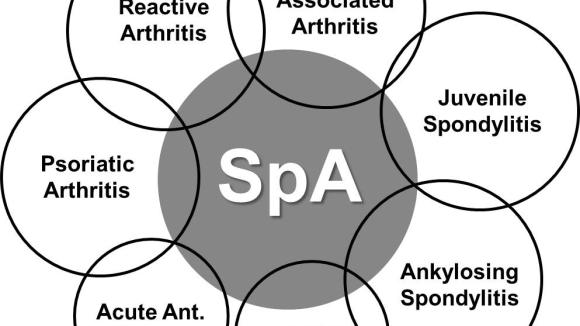
SPARTAN has compiled a list of presentations and sessions worth seeing if you are interested in ankylosing spondylitis, spondyloarthritis and related disorders.
Dr Jack Cush overviews the RheumNow commitment, upcoming bonus coverage of ACR20 and the good news and journal reports from the past week on RheumNow.com

While there have been several promising new agents for systemic sclerosis, many have failed - with all noting the difficulties in appropriate outcomes and endpoints for clinical trials. With this in mind, the FDA was interested in hearing patients’ perspectives on systemic sclerosis and new drug development, and held a virtual meeting on 10/13/20.
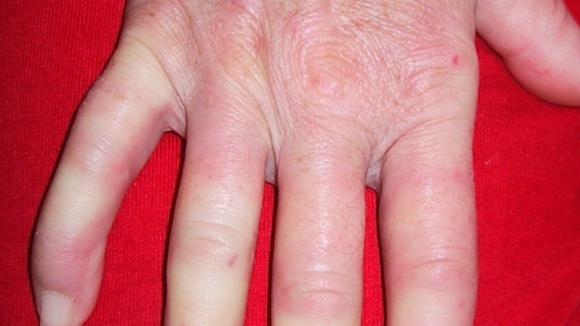
The DISCOVER‐2 trial has shown that guselkumab, an interleukin‐23p19 was shown to be safe and effective in biologic‐naïve psoriatic arthritis (PsA) patients in a one year study.
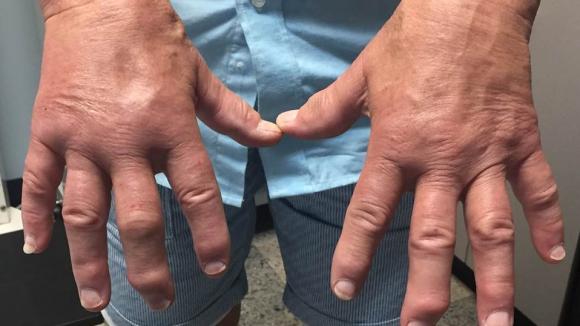
JAMA Internal Medicine has published a review showing that most currently approved therapies for fibromyalgia (FM) do not have high-quality evidence to support their use; with some reducing pain or improving quality of life (QOL) in the short term, but overall effect size is not impressive.

Vedolizumab (Entyvio) was superior to infliximab (Remicade) for treating immune-mediated diarrhea and colitis (IMDC), a researcher reported.

A full read review of immune-mediated necrotizing myopathy is portrayed as a distinct subtype of inflammatory myopathies first described in 2004.

A new short‐term follow‐up study has shown no significant difference in outcomes and quality measures in patients with RA who were managed by telemedicine (compared to usual in-person care).

Dr. Jack Cush reviews the news, journal reports, survey results and "Back Talk" questions from Rheums.
Bergman and colleagues have studied a large cohort of US rheumatologists and found that nearly half meet at least one criterion defining "burnout" among physicians.

In a recent study of patients with inflammatory rheumatic diseases, the initiation of a biologic treatment or switching to another biologic was associated with an increased likelihood of the use of antidepressants and anxiolytics, reported Petros P. Sfikakis, MD, of the National and Kapodistrian University of Athens, and colleagues in RMD Open: Rheumatic & Musculoskeletal Diseases.

The COVID-19 pandemic dramatically impacted outpatient care - numbers, scope, quality, etc, but a recent study suggests that while COVID has changed the scope of care, the numbers of outpatient visits have risen to near pre-pandemic numbers.

Prospective observational findings from the CORRONA registry of rheumatoid arthritis (RA) patients compared clinical outcomes between initial aggressive therapy using either a tumour necrosis factor inhibitor (TNFi) or a non-TNFi (biological disease-modifying antirheumatic drugs (bDMARDs) and tar

NEJM reports the results of the SELECT-Choice trial, a head to head study of upadacitinib (UPA) and abatacept (ABA) in biologic refractory rheumatoid arthritis (RA); 12 weeks results showed UPA was significantly more clinically effective than ABA using a DAS28-CRP remission, but ABA had fewer safety signals and serious adverse events.

The CDC has analyzed temporal trends in percent positivity by age group in COVID-19 hotspot counties before and after their identification as hotspots.

By downloading this material, I acknowledge that it may be used only for personal use and personal education and that I will accredit RheumNow.com as the source and owner of this material. Commercial use or mass reproduction of this material without permission from RheumNow (info@rheumnow.com) is prohibited.

