The RheumNow Week in Review discusses the past week's news, journal articles and highlights from RheumNow.com. This week's report discusses metabolic syndrome in lupus, bisphosphonate holidays, vasculitis and vascular inflammation, vaccination, and the repeated wonders of Vitamin D.

All News
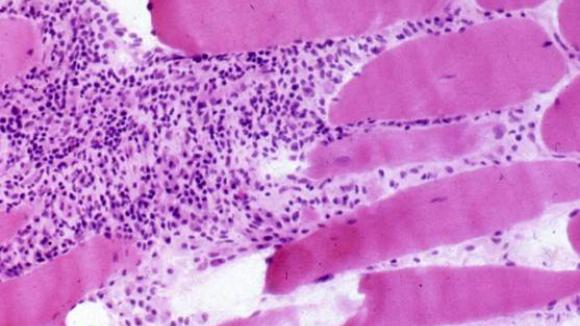
Infections and noninfectious pulmonary disease were associated with an increased risk for idiopathic inflammatory myopathies (IIM), a Swedish study found.
A Swedish population-based study found a nearly fourfold greater risk of all-cause mortality in idiopathic inflammatory myopathy (IIM) patients compared with the general population.
The current issue of Arthritis & Rheumatology features an editorial and two novel articles on the herpes zoster vaccine.
The RheumNow Week in Review discusses the past week's news, journal articles and highlights from RheumNow.com.
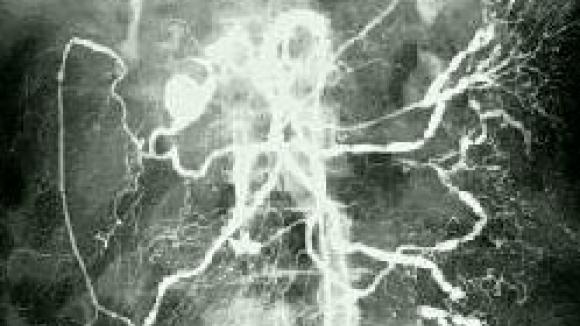
A European multicentre study examined whether the duration of azathioprine (AZA) maintenance therapy in ANCA-associated vasculitis patients would influence the relapse rate during long-term follow-up.
Beyond diagnosis, management of neuropsychiatric lupus (NPSLE) can be challenging. Moreover, there are scant studies addressing optimal management. In this issue of Clinical Rheumatology, researchers show the efficacy of mycophenolate mofetil (MMF) and deflazacort in NPSLE.
Increased morbidity and mortality from infectious causes in patients with autoimmune disorders has led to the overall consensus that vaccination of such patients is important and should be widely promoted in clinical practice.
Dr. Jack Cush reviews new FDA decisions on sirukumab and tofacitinib as well as other news items from the past week on RheumNow.com.
Patients with systemic lupus erythematosus (SLE) incur substantial morbidity and complications that may lead to hospitalizations and increased cost of lupus care. Researchers from the University Health Network in Toronto have published a review of SLE hospitalizations showing thta while comm
Dr. Jack Cush reviews the news and articles from the past week on RheumNow.com:
Systemic lupus erythematosus (SLE) poses numerous vascular risks, many of which are thought to be autoantibody mediated.
The presence of tubulointerstitial damage (TID) may provide a potential window for early intervention in lupus nephritis (LN) to ward off end-stage renal disease (ESRD), according to a data analysis.
The US Food and Drug Administration (FDA) has approved a new subcutaneous formulation of Benlysta (belimumab) for use in active, autoantibody‑positive Systemic Lupus Erythematosus (SLE) patients.
HIV infection and AIDs has been associated with numerous complications, presumably resulting from impaired immunity from infection. Sporadic cases and small cohorts of patients with rheumatic and autoimmune syndromes have been described but epidemiology data on the prevalence is scarce.
Dr. Jack Cush reviews the news from the past week on RheumNow.com:
A population-based claim study from Sweden has shown that lupus and pre-lupus patients are at risk for adverse maternal and fetal outcomes.
A recent report in Nature Communications has studied multiple nationalities has shown a "disentangled complex HLA multigenic effect" underlying the genetic basis of systemic lupus erythematosus (SLE).
Systemic lupus erythematosus (SLE) is associated with an increased risk of cardiovascular disease (CVD). The cardioprotective benefits of aspirin (ASA) are well known and the ancillary CV and diabetogenic effects of hydroxychloroquine (HCQ) have also been shown.
Acute diffuse lung infiltration in patients with systemic lupus erythematosus (SLE) requires prompt evaluation for diffuse alveolar hemorrhage (DAH) when patients have low levels of hemoglobin and complement compound C4 and symptoms of hypoxia.