
Article
Hydroxychloroquine (HCQ) helped reduce recurrent maternal autoantibody-mediated congenital heart block (CHB) in fetuses, an open-label study suggested.

Search for Terms or Answers
Hydroxychloroquine (HCQ) helped reduce recurrent maternal autoantibody-mediated congenital heart block (CHB) in fetuses, an open-label study suggested.

Since the onset of the COVID-19 pandemic numerous anti-rheumatic therapies have been proposed as being potentially beneficial. The mechanistic effects of these agents, either presumed antiviral, anti-inflammatory and anti-thrombotic effects, may benefit mitigate the damage seen with COVID-19 infection.
This review will examine the potential benefits and existing evidence for treating suspected or proven COVID-19 infection with antimalarials, inhibitors of interleukin-6 (IL-6) or interleukin-1 (IL-1) Janus kinase (JAK) inhibitors, TNF inhibitors or colchicine. There are many other antirheumatic and immunosuppressive therapies that are in clinical trials that will not be reviewed here including IVIG, rituximab, calcineurin inhibitors (sirolimus, etc.), apremilast, emapalumab (anti-IFN gamma), etc.

The oral Janus kinase (JAK) inhibitor upadacitinib (Rinvoq) given as monotherapy was more effective than methotrexate alone in methotrexate-naive patients with active rheumatoid arthritis (RA) in a multinational phase III trial.
A one year head-to-head (H2H) trial has shown ixekizumab (IXE) to be superior to adalimumab (ADA) in psoriatic arthritis (PsA); for both skin and articular outcomes.
The SPIRIT H2H study was a 52-week trial of 566 biologic DMARD naive, PsA patients, randomized to received either IXE or ADA. The primary end point was at Wk 24, but the newly published data shows week 52 results for ACR50 and Psoriasis Area and Severity Index 100 responses.
A new article in Nature Medicine delineates how our understanding of COVID-19 infection has evolved over time, such that the infection outomes may be worsened by extrapulmonary manifestations; notably thrombotic, cardiac, renal, gastrointestinal hepatic, neurologic, and other complications.

Colchicine has been advocated as a potential anti-inflammatory intervention in patients with the coronavirus 2 infection and clinical trials have been developed to assess its effect in early COVID-2 infection. JAMA has published a randomized clinical trial showing that low dose colchicine had less clinical deterioration without significant changes in biomarkers, such as high-sensitivity cardiac troponin and C-reactive protein.

A Lancet systematic review and meta-analysis provides the basis for physical distancing and the value of making as measures to prevent infection with coronavirus 2 (SARS-CoV-2) or COVID-19.
The analysis included 172 observational studies, no randomised controlled trials and 44 relevant comparative studies involving 25 697 patients.

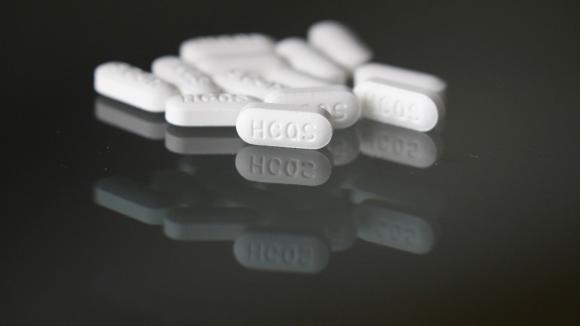
Hydroxychloroquine is one of many medications frequently used in rheumatology practice. Its remarkable versatility is attested by its routine use in lupus, in patients with an autoimmune coagulopathy, in patients with rheumatoid arthritis, as well as in those with a low-level inflammatory arthropathy.
Lancet has reported COVID outcomes from NewYork-Presbyterian hospitals in NYC during March 2020 showing high rates of hospitalization, ICU admission, mechanical ventilation and death.
A prospective observational cohort study 2 2 NYC hospitals from March 2 to April 1, 2020, looking at laboratory-confirmed COVID-19 and were critically ill with acute hypoxaemic respiratory failure, and collected clinical, biomarker, and treatment data. The primary outcome was in-hospital death.

In May, the American College of Rheumatology (ACR) released the"2020 Guideline for the Management of Gout"reflecting new clinical evidence since the last guideline published in 2012.
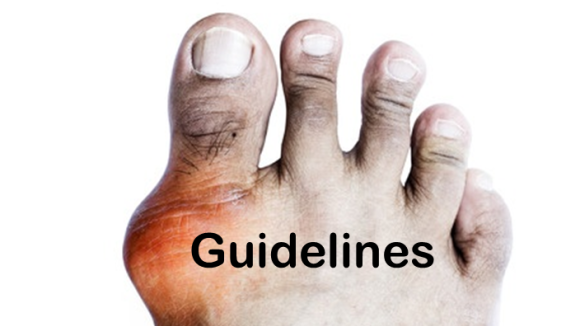
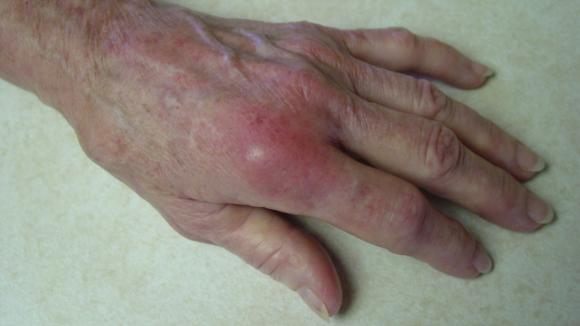
While it is often said there is a negative association between gout and rheumatoid arthritis (RA), cases of coexistent disorders are uncommonly seen. A recent VA study describes 121 patients whith both RA and gout.
Patients with the idiopathic inflammatory myopathies (IIMs) dermatomyositis and polymyositis are at increased risk for cardiovascular events, with risks similar to what has been documented for rheumatoid arthritis (RA), during the first 5 years after diagnosis, U.K. researchers reported.
A new report in the Journal of Rheumatology shows that liver abnormalities are common in psoriatic arthritis (PsA) and may be associated with obesity, more severe disease and select therapies.
The VITAL study is a VA registry that has shown that both systemic lupus erythematosus (SLE) and rheumatoid arthritis (RA) patients carry higher odds of both premature and extremely premature atherosclerotic cardiovascular disease and its consequences.

The American College of Rheumatology (ACR) has released an official position statement supporting the role of telemedicine as a tool with the potential to increase access and improve care for patients with rheumatic diseases.

Data presented at the recent American Academy of Dermatology meeting suggests that interleukin (IL)-23 inhibition with risankizumab was more effective than the IL-17 inhibition (secukinumab) based on a 52 week randomized head-to-head trial in moderate to severe psoriasis patients.

A retrospective, observational study published in Lancet Rheumatology has shown that tocilizumab (TCZ) may reduce the risk of death or the need for mechanical ventilation in severe COVID-19 pneumonia. This observational study included adults, with severe COVID-19 pneumonia, who were hospitalized between Feb 21 and March 24, 2020. All were on the standard of care (ie, supplemental oxygen, hydroxychloroquine, azithromycin, antiretrovirals, and low molecular weight heparin), and a non-randomly selected subset of patients also received TCZ.

Colchicine has been advocated as a potential anti-inflammatory intervention in patients with the coronavirus 2 infection and clinical trials have been developed to assess its effect in early COVID-2 infection. JAMA has published a randomized clinical trial showing that low dose colchicine had less clinical deterioration without significant changes in biomarkers, such as high-sensitivity cardiac troponin and C-reactive protein.
The largest study, to date, shows that in‐hospital mortality of systemic lupus erythematosus (SLE) patients has significantly improved between 2006 and 2016, with a high mortality burden among U.S. Blacks and Hispanics with lupus.

By downloading this material, I acknowledge that it may be used only for personal use and personal education and that I will accredit RheumNow.com as the source and owner of this material. Commercial use or mass reproduction of this material without permission from RheumNow (info@rheumnow.com) is prohibited.


