The New England Journal of Medicine has reported the results of a large clinical trial demonstrating the efficacy of ustekinumab (Stelara) in treating patients with active Crohn's disease (CD). (Citation source http://buff.ly/2gsSNcs)

All News
It is well known that ANCA-associated vasculitides can be hard to control and relapses are common. The choice of maintenance therapy is rather limited and therapies are not always effective.
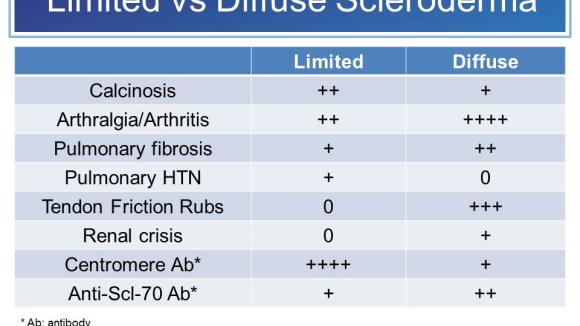
Diffuse cutaneous systemic sclerosis (dcSSc) is one of the most difficult autoimmune diseases to treat. In case of major organ involvement (lung, kidney), prognosis is poor and treatment options are limited.
It is well known that ANCA-associated vasculitides can be hard to control and relapses are common. The choice of maintenance therapy is rather limited and therapies are not always effective.
Eli Lilly & Co. has multiple presentations planned for the upcoming Annual meeting of the ACR/ARHP in Washington starting on Sunday, November 13th.
Janssen has announced the listings for it's presentations at the upcoming annual ACR/ARHP 2016 meeting in Washington.
Dr. Jack Cush reviews highlights and reports from this week on RheumNow.com, including drug-induced cutaneous lupus, pediatric lupus being worse, new gout drug SEL-12, Gut microbiome and IgA plasmablasts, and the weakly-received new ACP guidelines on gout.
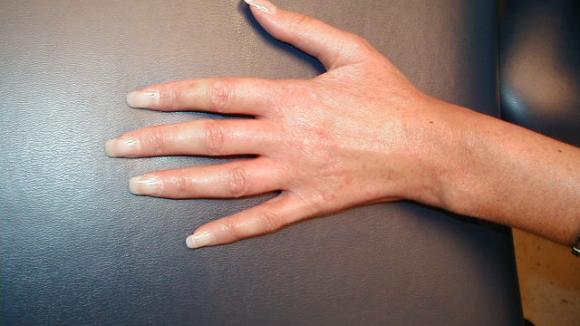
A possible mechanism behind the fibrosis that occurs in scleroderma has now been identified, a mechanism, researchers say, that may one day lead to a treatment for the disease.
Serum antibodies precede the development of clinical rheumatoid arthritis (RAby) by many years, and yet we still have much to learn about this preclinical phase.
Using population based data, researchers found a 10 fold increase prevalence of SSc in first degree relatives. That equates to a relative risk of 81. Genetic factors appear to be important in the risk for scleroderma.
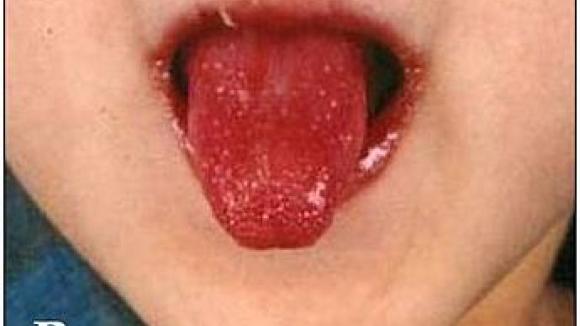
Researchers from the Toronto Hospital for Sick Children have published in the Journal of Immunology that a polymorphism in the inositol-triphosphate 3-kinase C (ITPKC) (rs28493229) is associated with the pathogenesis of Kawasaki's disease (KD).
The current JAMA Pediatrics issue has published a report showing that adjunctive corticosteroid therapy yielded significantly fewer coronary artery complications compared with intravenous immunoglobulin therapy alone, particularly among high-risk patients with Kawasaki disease.
Most women with systemic lupus erythematosus (SLE) have no or little disease activity during pregnancy, but experience greater disease activity or overt flares during the first year postpartum, a Norwegian study has found.
The Washington Post recently interviewed Dr. Eliza Chakavarty of the OMRF about the evolution in attitudes and outcomes of lupus women who wish to get pregnant.
Researchers from the University of British Columbia reported on their systematic review and meta-analysis of risk of herpes zoster (HZ) in patients receiving biologics, DMARDs and/or corticosteroids for autoimmune diseases.
A Lancet meta-analysis has reviewed the preventative effects of low-molecular-weight heparin (LMWH) on placenta-mediated pregnancy complications include pre-eclampsia, late pregnancy loss, placental abruption, and birth of a small-for-gestational-age (SGA) neonate.
Rheumatologists have been challenged to treat hepatitis C virus (HCV)-induced rheumatic disease since discovery of the virus in 1989.
In this video, Michelle Petri, MD, director of the Hopkins Lupus Center at Johns Hopkins University, discusses recent successes and challenges in the treatment of systemic lupus erythematosus, with clinical trials results ranging from "wildly positive" to "completely negative."
A recent article published by the American Academy of Ophthalmology presented new recommendations for screening of patients being managed with hydroxychloroquine that changed the previous monitoring paradigm. More importantly, it has repositioned hydroxychloroquine from one of the safest medications that rheumatologists use to a drug that can have potentially significant ocular morbidity (if used in doses greater than 5 mg per kilogram and or for prolonged periods of time).