
Article
Rheumatology News has a novel online report about combined rheumatology-dermatology clinics. In the last several years, there have been a few of these in operation (Boston, Chicago, Rhode Island).

Search for Terms or Answers
Rheumatology News has a novel online report about combined rheumatology-dermatology clinics. In the last several years, there have been a few of these in operation (Boston, Chicago, Rhode Island).

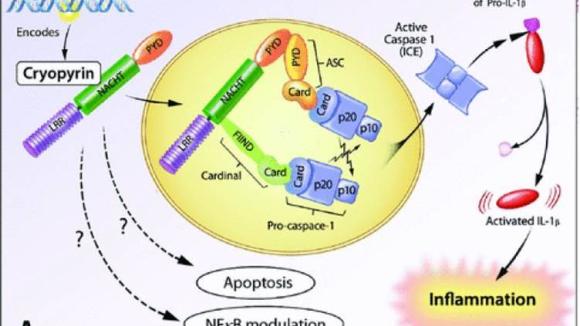
The gene mutations underlying inflammasome activity have been well described, but there appears to be variable penetrance among patients with the same gene mutation, suggesting additional mechanisms may influence disease expression.
Dr. Jack Cush reviews highlights from this week's rheumatology news on RheumNow.com.

Systemic lupus is a clinically heterogeneous disorder, unified by requisite clinical features and exuberant humoral response to unknown triggers. While the diagnosis is easy, the disease course and management can be complicated and challenging.

The PROMISSE (Predictors of Pregnancy Outcome: Biomarkers in Antiphospholipid Antibody Syndrome and Systemic Lupus Erythematosus) study has revealed several important lessons in lupus care.

The results of the faSScinate trial were published in Lancet showing that treatment with Actemra (tocilizumab) resulted in a reduction in skin thickness and an improvement in lung function in patients with systemic sclerosis (SSc).

Transforming growth factor (TGF-β) is known to have potent profibrotic activity and has been implicated in the pathogenesis of systemic sclerosis a futile condition with no effective disease modifying treatments.
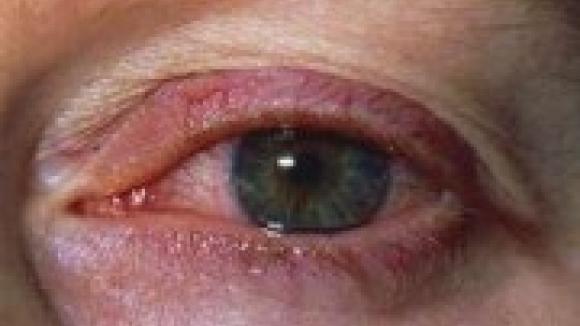
Autoimmune ophthalmic disease is a frequent challenge to rheumatologists from both a diagnostic and therapeutic perspective. Approved therapies are limited and have only been infrequently or comfortably utilized by rheumatologists and autoimmune ophthalmologists.
A EULAR task force has updated its 2009 recommendations for the management of anti-neutrophil cytoplasmic antibody associated vasculitis.
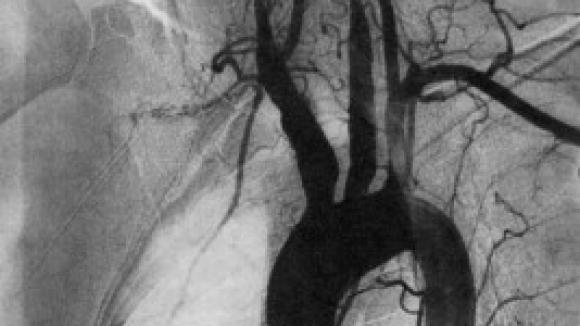
French researchers recruited 486 patients with giant cell arteritis (GCA) from over 40 centers throughout France, and compared their outcomes to age and sex matched individuals randomly selected from the general population. Both groups were followed for 5 years and assessed for the risk of serious infections.

In a variety of models, testosterone has been shown to be immunosuppressive and deficiency of testosterone has been linked with autoimmune disease and increases in C-reactive protein (CRP), tumor necrosis factor, and interleukin-6 (IL-6).
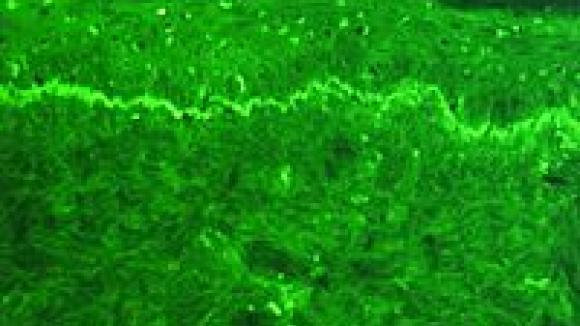
Sjogren's syndrome is a highly prevalent disorder, affecting women ten times more frequently than men. Although the typical onset follows menopause, a minority of women may develop primary Sjogren’s syndrome (pSS) during child-bearing years.

Blocking the type 1 interferon receptor with the monoclonal antibody anifrolumab shows promise as a treatment for moderate-to-severe systemic lupus erythematosus (SLE), according to a phase IIb study presented here.

The GiACTA study has published its top line results demonstrating the efficacy of adding tocilizumab (TCZ) to steroid-tapered therapy in patients with giant cell arteritis (GCA).
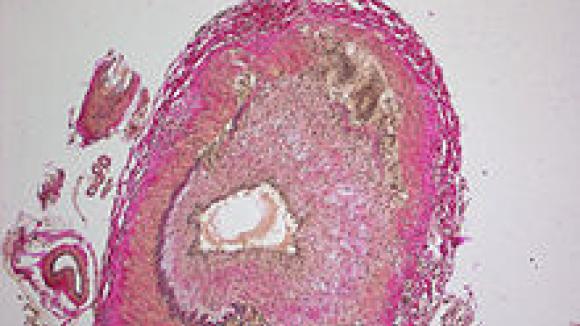
The damaging potential of many inflammatory disorders is magnified by well-known associated comorbid conditions. This is particularly true in lupus, rheumatoid arthritis and psoriatic disease.

Dr. Cush reviews highlights from this week on RheumNow.com.
Polymyalgia rheumatica (PMR) should be easy and responsive, but it can be a challenge and requires long-term steroid therapy. Problems often begin when steroid–induced side effects take their toll on a patient, especially in elderly adults.

Dr. Jack Cush reviews this week's news and research highlights from RheumNow.com.
While the phenotypes of RA and SLE are quite different, genome-wide association studies (GWAS) performed in the past have shown a genetic overlap between both.

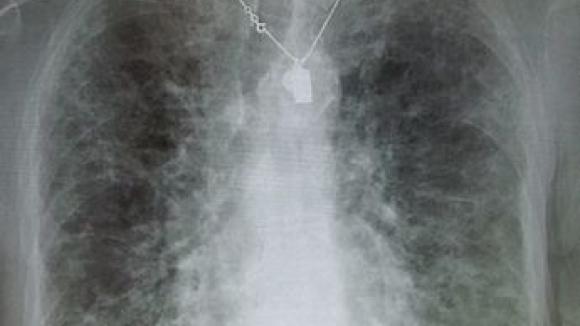
Mechanisms underlying the pulmonary fibrosis of systemic sclerosis are poorly understood, yet are the focus of both research and new drug development.
By downloading this material, I acknowledge that it may be used only for personal use and personal education and that I will accredit RheumNow.com as the source and owner of this material. Commercial use or mass reproduction of this material without permission from RheumNow (info@rheumnow.com) is prohibited.

