Article
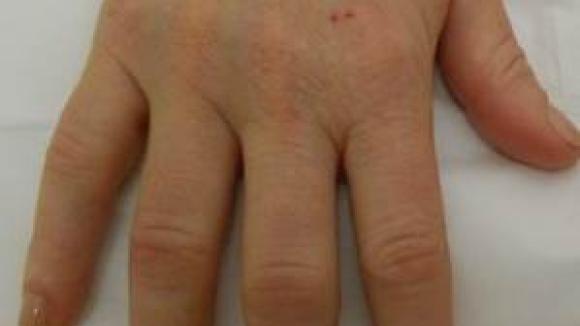
Use of wearable activity trackers was associated with increases in the number of daily steps among individuals with rheumatic and musculoskeletal disorders, a meta-analysis found.

Search for Terms or Answers
Use of wearable activity trackers was associated with increases in the number of daily steps among individuals with rheumatic and musculoskeletal disorders, a meta-analysis found.

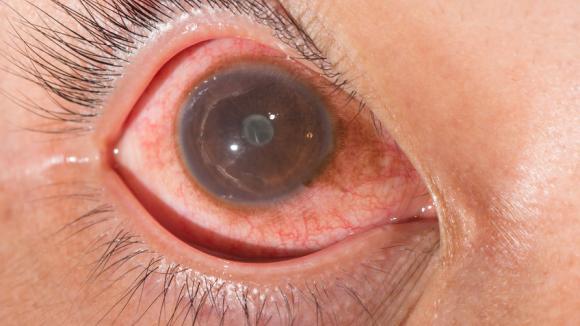
Researchers from Germany have studied a large cohort of juvenile idiopathic arthritis (JIA) patients and shown that JIA disease activity scores and laboratory biomarkers could be used to better define the group of JIA patients at high risk of uveitis onset.
The NEJM reports that zolendronic acid was shown to significantly lower the risk of nonvertebral or vertebral fragility fractures in older women with osteopenia.

The Norwegian connective tissue disease (CTD) and systemic vasculitis (PSV) registry (NOSVAR) studied patient outcomes over a 15 year period and found overall mortality to be higher in the CTD compared to the PSV group.

Multiple studies have shown that elderly rheumatoid arthritis (RA) patients tend to be under-treated and receive DMARD therapies less often than younger RA patients.

Males and females can both be affected by axial spondyloarthritis (axSpA). A recent study shows that while there are some differences and similarities, HLA-B27 and imaging are still pivotal elements for diagnosis of axSpA in both genders.

Only inhibitors of IL-1 (canakinumab) and IL-6 (tocilizumab) are FDA approved for use in children with systemic onset juvenile idiopathic arthritis (sJIA). Now, long-term data from the extension studies from two phase III studies shows that canakinumab yields long-term improvements with reduced glucocorticoid dosing with no new safety findings with long-term use.

Researchers from the British Society for Rheumatology Biologics (BSRBR) set out to define under what circumstances will rheumatoid arthritis (RA) patients manifest biologic disease-modifying antirheumatic drugs (bDMARDs) refractory disease.

Fernandez and colleagues have shed further light on a significant subset of patients with knee pain - specifically, those with neuropathic like knee pain (NKP) that includes those with knee pain modified by central and peripheral neurologic dysfunction.

Venous thromboembolism (VTE) is a common adverse event throughout medicine and includes both pulmonary embolism (PE) and deep vein thrombosis (DVT). The cost of diagnosing a thromboembolic event is approximately $4000 - $5550, while the annual cost of treating one case of VTE is betwe
The CDC reports that in 2017, influenza killed and hospitalized more people in the United States than any other year in the last few decades.

A systematic review in Archives of Dermatology suggests that among complementary and alternative medicine (CAM) therapies, the most effective are indigo naturalis, curcumin, dietary modification, meditation, and acupuncture.
The past two decades have seen a significant decline in mortality among patients with lupus nephritis, U.S. registry data indicated.
A JAMA Internal Medicine report has shown that the rate of arthroscopic surgery has significantly declined, in an era when arthroplasty and the incidence of osteoarthritis (OA) has increased.

Researchers at the University of California - Davis have shown that elderly women who had an upper body fracture or multiple fractures had more loss of hip density compared to those who who did not fracture. Systemic bone loss may increase the risk of future fractures.

Ronald F van Vollenhoven and colleagues have reported in Lancet that ustekinumab (UST), an interleukin-12 and -23 inhibitor, when added to usual therapy in systemic lupus erythematosus (SLE) patients, was shown to be superior to placebo at improving clinical efficacy and laboratory param

The Maastricht study explored the potential association between dairy consumption and knee osteoarthritis (OA), and found that higher intake of full-fat dairy and Dutch cheese - but not milk - was significantly associated with the lower risk of knee OA.
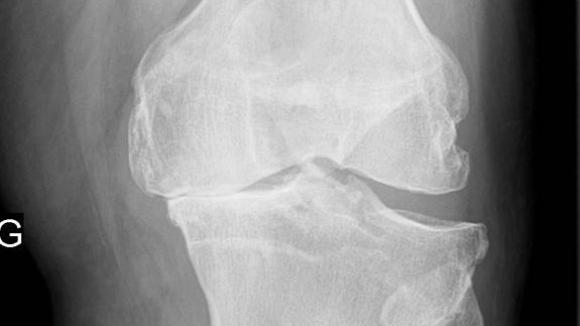
Stem cell clinics are popular and proliferating as they are largely a cash business and fall outside of FDA regulatory control. In lieu of scientific proof, most advocates use patient testimonials and the placebo effect to back up their claims.

Implementing a treat-to-target approach for the care of rheumatoid arthritis (RA) did not result in an increase in adverse events or resource use, a post-hoc analysis of a randomized trial showed.

By downloading this material, I acknowledge that it may be used only for personal use and personal education and that I will accredit RheumNow.com as the source and owner of this material. Commercial use or mass reproduction of this material without permission from RheumNow (info@rheumnow.com) is prohibited.