We have options that are endless – we have 28 biologics in rheumatology; 19 approved for RA in the last 20 years, but 15 of these are me-too copies or biosimilars. We currently have 2 JAK inhibitors and may have 3 or 4 by year end. But what we really need is the right drug, at the right time, in the right patient – but how will we know.

All News
Current ACR and EULAR guidelines list TNF-inhibitors (TNFi) abatacept, rituximab, and tocilizumab as being equally effective after methotrexate or as second line therapies when treating rheumatoid arthritis.
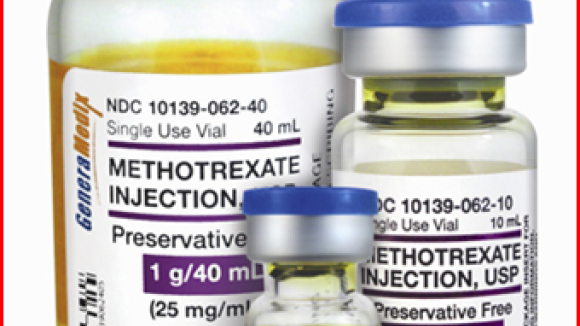
Rheumatology has a comprehensive overview of methotrexate (MTX) and the risk of lung injury, MTX-related pneumonitis and interstitial lung disease (RA-ILD) with rheumatoid arthritis (RA). Past reports suggest the frequence of MTX-pneumonitis to be between 0.3 and 11.6%; recent studies suggest it may be much lower.
The SEAM-PsA study examined the efficacy of methotrexate monotherapy, etanercept monotherapy or the combination of MTX and ETN in psoriatic arthritis patients, and found that ETN monotherapy was equivalent to combination therapy - and that both were superior to MTX alone in clinical (ACR and MDA) and radiographic responses.
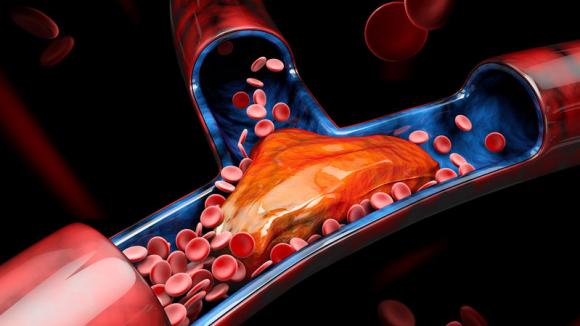
The European Medicines Agency safety committee (PRAC) has concluded that Xeljanz (tofacitinib - TOFA) could increase the risk of blood clots in the lungs and in deep veins in patients who are already at high risk for venous thromboembolic events. The PRAC is recommending that TOFA should be used with caution in patients at high risk of blood clots (VTE), regardless of dose used.
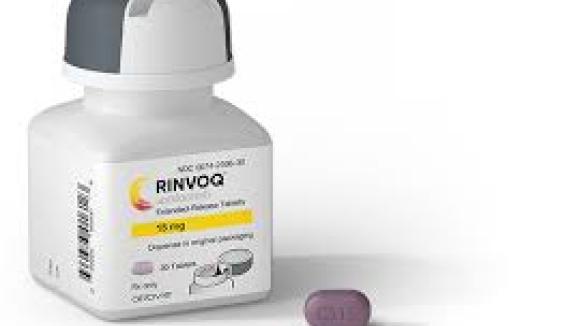
The US Food and Drug Administration (FDA) on Friday, August 16, approved AbbVie JAK1 inhibitor, Rinvoq (upadacitinib) for adults with rheumatoid arthritis with moderately to severely active disease either not responding to, or intolerant of, methotrexate (MTX).
A EULAR task force has reviewed the medical literature and developed evidence-based recommendations for the management of antiphospholipid syndrome (APS) in adults. They note that a high-risk antiphospholipid antibody (aPL) profile is associated with greater risk for thrombotic and obstetric APS.
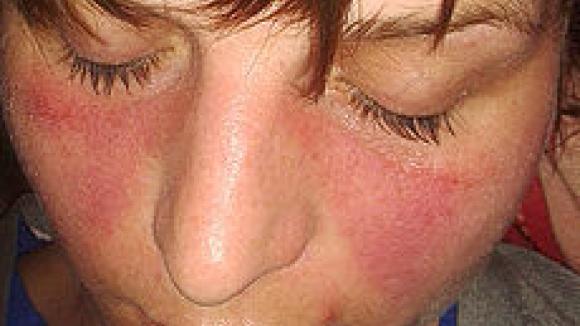
The European League Against Rheumatism (EULAR) and the American College of Rheumatology (ACR) have jointly developed new classification criteria for systemic lupus erythematosus (SLE); prompted by the need for criteria that were both highly sensitive and specific. The net result is improved sensitivity and specificity, but the use of positive ANA requirement along with a longer list of weighted criteria ensures its utility in SLE research (including early or latent SLE), but not clinical practice.
Lancet reports that the selective JAK1 inhibitor, upadacitinib, was effective when given to patients with active ankylosing spondylitis.
Belimumab has been studied in an active lupus nephritis, phase 3 trial call BLISS-LN and shown to be effective as measured by trial of belimumab for the treatment of active lupus nephritis in adult patients.
The NEJM published favorable results of a phase 3 trial of the alpha interferon inhibitor, anifrolumab, showing it to be superior to placebo in active systemic lupus erythematosus (SLE) patients studied for 48 weeks.
French researchers have shown that patients with systemic lupus erythematosus (SLE) and inactive disease are less likely to flare while taking a 5 mg prednisone maintenance dose.
Domestic violence was found to predispose to a higher risk of fibromyalgia and those developing chronic fatigue syndrome.
Dr. Jack Cush recaps the news and journal reports from the past week on RheumNow.com.
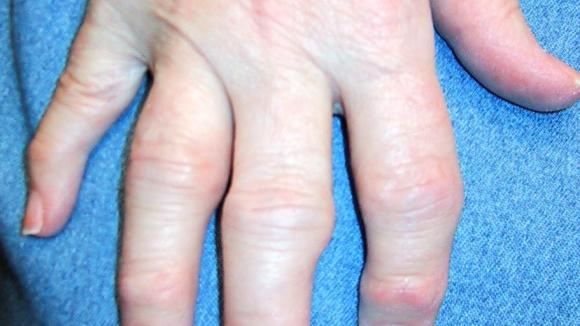
Lancet reports that prednisolone 10 mg daily for 6 weeks can effectively control the pain of hand osteoarthritis (OA), according to results from the Hand Osteoarthritis Prednisolone Efficacy (HOPE) study.
This was a double-blind, randomized, placebo-controlled trial aimed to assess the short-term effects of prednisolone in painful hand OA and synovial inflammation. Patients were required to have hand OA and signs of inflammation in their distal and proximal interphalangeal (DIP/PIP) joints and > 4 DIP/PIP osteoarthritic nodes and at least one DIP/PIP joint with soft swelling/erythema or evidence of synovitis on power Doppler ultrasound. The primary endpoint was finger pain.
Secukinumabs (SEC) effect on enthesitis in psoriatic arthritis (PsA) was studied in the FUTURE 2 and 3 studies and SEC was shown significantly reduced enthesitis by more than 65% within 14 week.
A multinational cross-sectional cohort study suggests that smoking cessation in rheumatoid arthritis (RA) patients is associated with lower disease activity measures, improved lipid profiles and lower rates of cardiovascular (CV) events.
A Danish registy has shown that the the prevalence of Spondyloarthritis (SpA) diagnosed prior to delivery has increased 5 fold in the last two decades and that SpA is associated with an increased risk of adverse pregnancy outcomes (APO).
Below are several of the highlight studies in psoriatic arthritis (PsA) presented at the ACR 2019 annual meeting in Atlanta.
The ACR Plenary Sessions featured some of the best research presented on Sunday, Monday, and Tuesday in Atlanta. Here are my seven notable highlights from the Plenaries.