A novel compound, synthetic trans‐capsaicin (CNTX‐4975), has been studied as an intraarticular injection and shown to significantly reduce pain in patients with chronic moderate‐to‐severe osteoarthritis of the knee.
A phase II, multicenter, double‐blind study enrolled 172 knee OA patients between the ages of 45–80 years. Patients were randomized to receive either intraarticular placebo, or a high‐purity synthetic trans‐capsaicin CNTX‐4975 0.5 mg, or CNTX‐4975 1.0 mg.

All News
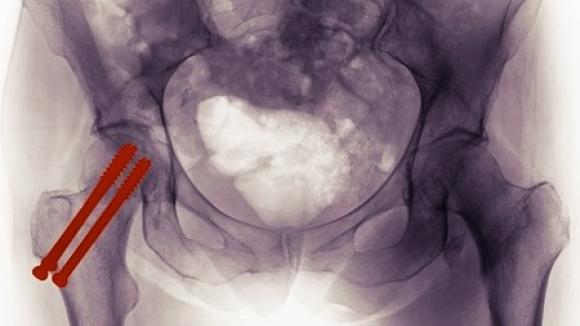
Hip and knee osteoarthritis patients have been shown to have increased mortality rates from cardiovascular events when compared to the general population.
Myalgic encephalomyelitis/chronic fatigue syndrome affects at least 2 million people in the United States and bears tremendous overlap with fibromyalgia - both being difficult to diagnosis because the symptom complex is often unrecognized and these conditions have no biomarker test.
Upadacitinib, a JAK1-selective inhibitor, was studied head to head against adalimumab and placebo in rheumatoid arthritis after an inadequate response to methotrexate, and shown to be superior to ADA and PBO in ACR20 and DAS remission level responses.
Systemic lupus erythematosus (SLE) patients who are hospitalized have an increased prevalence of atherosclerotic cardiovascular disease (ASCVD) and its individual phenotypes of coronary artery disease (CAD), peripheral artery disease (PAD), and cerebrovascular disease.
The SUNSTONE study evaluated the long‐term safety of rituximab in rheumatoid arthritis (RA) previously exposed to ≥1 anti–tumor necrosis factor inhibitors (TNFi) and showed a stable, but high, rate of serious infections, opportunistic infections and an overall higher mortality rate.
The NEJM has reported that rituximab (RTX) and cyclosporine (CYA) was noninferior to cyclosporine in inducing complete or partial remission of proteinuria at 12 months and was superior in maintaining proteinuria remission up to 24 months.
Dr. Jack Cush reviews this week's news and journal reports featured on RheumNow.com. PsA v. non-PsA pregnancies, Still's disease, lupus, nutritional supplements and dietary interventions, use of cannabis, tanezumab in OA, CBD oils and more.
The current issue of JAMA reviews recent advances on chronic fatigue syndrome, also known as myalgic encephalomyelitis/(ME/CFS), based on a 2-day conference held at the NIH in an April 2019.
The NIH 2-day conference reviewed recent progress and new research in several areas described below.
Concerns about the unintended risks inherent in electronic health records (EHR) by analysis of EHR–related harms identified from large database of malpractice suits and claims; they found that EHR related adverse events exist, and may be associated with an severe harms and uncommonly, death.
JAMA reports that although tanezumab is modestly effective in moderate to severe osteoarthritis (knee or hip), with statistically significant improvements in pain and physical function, the tanezumab (TNZ) treated patients had more joint safety events and total joint replacements than pa
Pregnancy for patients with lupus has long been considered high risk and associated with both medical and obstetric complications, but outcomes have improved over the last 2 decades and continue to improve. The large decline in in-hospital maternal mortality was greater for lupus pregnancies than for non-lupus pregnancies. Findings from a retrospective cohort study are published in Annals of Internal Medicine.
While it is clear that long-term bisphosphonate therapies reduce fracture risk in women with osteoporosis, it is unclear how to counter-balance these benefits against rare serious harms and how to optimize therapeutic benefits with appropriate drug holidays.
A systematic analysis of 48 studies compared long-term osteoporosis drug treatment (ODT) (>3 years) versus control versus ODT continuation versus durg discontinuation, to examine incident fractures or harms.
Editor's note: July 1 - 5, RheumNow is running the best of the EULAR 2019 meeting. A novel trial presented at EULAR 2019 last week assessed whether the use of urate-lowering therapy (ULT) would control hypertension in those at risk; however, results of this trial were largely negative.
Editor's note: July 1 - 5, RheumNow is running the best of the EULAR 2019 meeting. It was a full and lively second day in Madrid with sessions dedicated to Lupus, RA, Sjogren’s, imaging, rare diseases, psoriatic arthritis and spondyloarthritis. Here are a few of the highlights from day two at EULAR 2019.
JAMA reports that there is a trend of increasing mortality from falls in older US adults between 2000 to 2016 and that mortality rates are increased with increasing age.
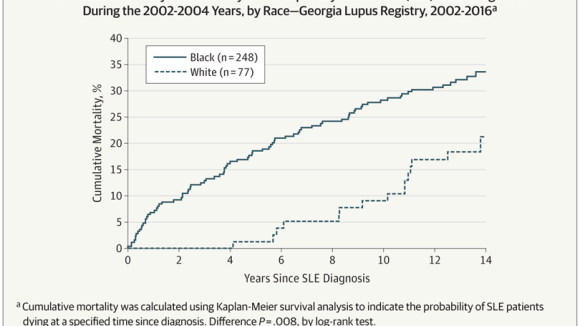
MMWR has published the outcomes from the Georgia Lupus Registry between 2002 and 2016, finding that black women were not only more likely to die from lupus than white lupus patients; but they died on average 13 years earlier (mean age 51.8 and 52.3 years, respectively) than whites (mean age 64.4 and 65.0 years, respectively).
Black women with lupus were 3.34 times more likely to die than black women in the general population, while white women with lupus were 2.43 times more likely to die than white women in the general population. None of the white women with lupus died within 5 years of diagnosis, while mortality was elevated for black women from the date of diagnosis on.
The American College of Physicians (ACP) is encouraged by the Trump administration’s executive order to improve transparency of health care costs.
It is estimated that up to 50% of patients with idiopathic inflammatory myopathy will be complicated by interstitial lung disease, and having ILD may impart a poor prognosis. A recent review of the Johns Hopkins myositis-related ILD cohort has shown that azathioprine and mycophenolate mofetil use is associated improved lung function and less prednisone use.
A large study of UK family practice patients shows that polymyalgia rheumatica (PMR) or giant cell arteritis (GCA) patients treated with glucocorticoids are at an increased risk of bacterial, viral, parasitic and fungal infection, even at daily doses of less than 5 mg prednisolone.