
Article
First-line treatment of systemic juvenile idiopathic arthritis (JIA) with anakinra (Kineret) was highly effective as monotherapy, minimizing the need for glucocorticoids, a single-center prospective study found.

Search for Terms or Answers
First-line treatment of systemic juvenile idiopathic arthritis (JIA) with anakinra (Kineret) was highly effective as monotherapy, minimizing the need for glucocorticoids, a single-center prospective study found.
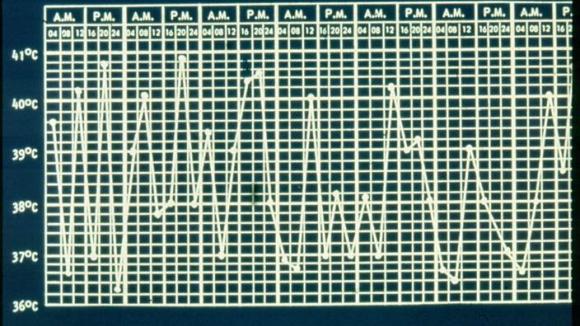
The Swedish Society of Rheumatology has developed evidence-based guidelines for the management of giant cell arteritis (GCA) with a focus on the appropriate use of corticosteroids and tocilizumab.
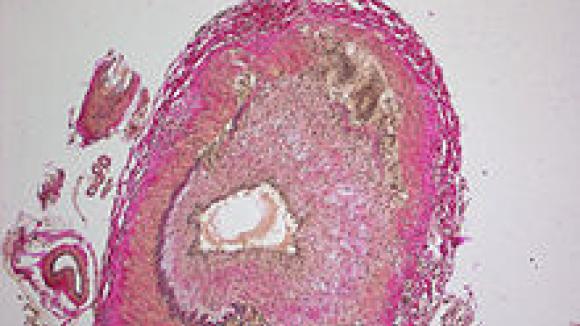
A UK study of early onset arthritis or new rheumatoid arthritis patients shows multiple sources of delayed referral to the first rheumatology consultation.

A systematic review has shown that TNF inhibitors (TNFi) are equaled in efficacy by other biologic agents (ustekinumab, secukinumab, and ixekizumab) in psoriatic arthritis (PsA) patients with in dactylitis and enthesitis.

Data from the longitudinal Tromsø Lupus Cohort study has shown that lupus patients who achieve a Lupus Low Disease Activity State (LLDAS‐50) were shown to have significantly less severe damage, and a reduction in mortality.
This was a population‐based study of SLE patients in the northern‐most counties of Norway.
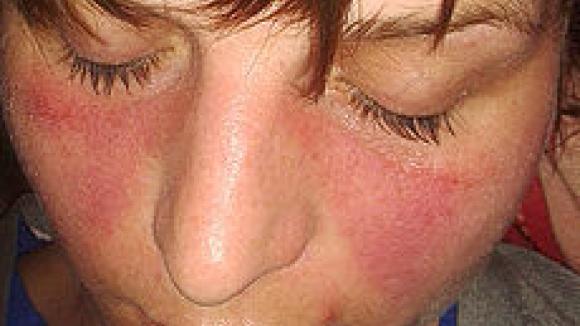
Patients with moderate-to-severe plaque psoriasis attained durable complete and near-complete responses for more than a year with a dual inhibitor of interleukin (IL)-17, data from a randomized trial showed.
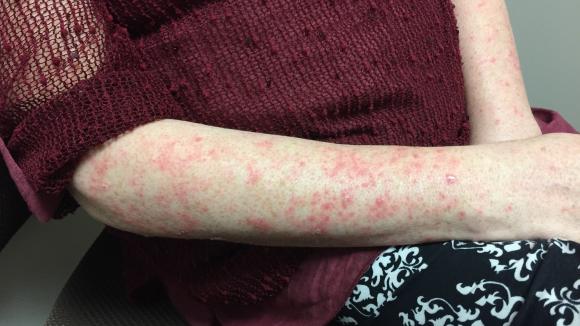
Menter and colleagues from the American Academy of Dermatology (AAD) and National Psoriasis Foundation (NPF) have published their expert consensus guidelines for the use of biologics in psoriasis.

The JAAD has published joint guidelines from the American Academy of Dermatology (AAD) and National Psoriasis Foundation (NPF) on the approach, management and dermatolgist roles for select comorbid conditions.

Dr. Jack Cush Reviews the news and journal articles from the past week on RheumNow.com

A small, double-blind, randomised, placebo-controlled trial in early psoriatic arthritis (PsA) has shown that first-line use of golimumab and methotrexate (MTX) is superior to MTX alone in inducing remission in PsA.
A Canadian study has shown that elderly diabetics who take allopurinol have a significant reduction in cardiovascular outcomes.

Individuals who quit smoking and maintained their nonsmoking status over a long duration of time had a decreased risk of developing seropositive rheumatoid arthritis (RA), an analysis of two large prospective cohorts found.

Dr. Jack Cush reviews the news and journal reports from the past week on RheumNow.com:
Silverman and colleagues have published their study of the fecal microbiome of systemic lupus erythematosus (SLE) patients and found roughly five times more gut bacteria known as Ruminococcus gnavus, and that these abnormalities in microbiota can correlate with measures of disease severity i

The drug retention rate of interleukin-1 inhibitors (IL-1) used to treat systemic juvenile idiopathic arthritis (JIA) appears to be quite high according to a new study.

Pfizer has issued a press release regarding the safety of tofacitinib, citing higher rates of pulmonary embolism and death associated with the use of higher dose tofacitinib 10mg bid in rheumatoid arthritis (RA) patients treated in a long-term safety trial.

Dr. Marwan Bukhari (editor of Rheumatology) has written an editorial wherein he suggests that true remission is hard to achieve. He notes that "remission as a target is a noble objective that we should all aspire to but we should not chastise our practice if we do not achieve it, as more and more evidence suggests that we should consider it the ideal but not the norm."

His would-be surgeon tried mightily to talk him out of a bilateral knee replacement. At 340 pounds, the patient's BMI -- above 43 -- was a significant contraindication.
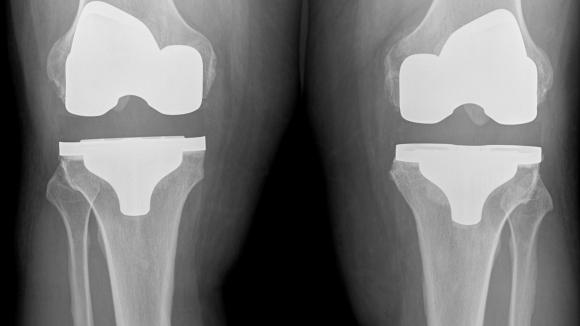
Lancet reports that, based on a literature review and metanalysis, patients and surgeons can expect a hip replacement to last 25 years in around 58% of patients.

PHAROS is a prospective cohort studying the natural history of pulmonary hypertension (PH) in systemic sclerosis (SSc). They have shown that risk factors for poor outcomes in this cohort included male sex, DLCO < 50%, exercise oxygen desaturation, and pericardial effusions.
By downloading this material, I acknowledge that it may be used only for personal use and personal education and that I will accredit RheumNow.com as the source and owner of this material. Commercial use or mass reproduction of this material without permission from RheumNow (info@rheumnow.com) is prohibited.

