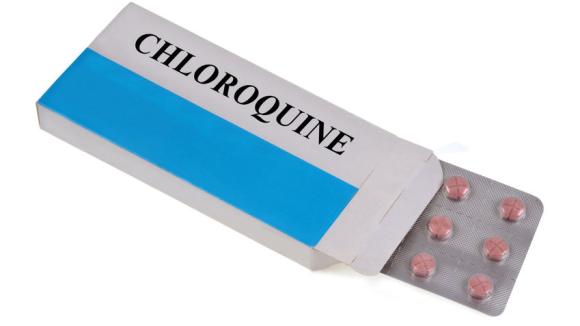
Hydroxychloroquine has been a dominant news item since the start of the COVID-19 crisis, with a great deal of misconceptions by those who don't know or use or take the drug. HCQ leaped to the headlines on March 19th when President Trump endorsed the drug as being “approved” by FDA. Of course at that time, it was still only approved for SLE, RA and malaria and it wasn't until 2 weeks later (March 31st) that the FDA issued an "emergency use authorization" allowing the use of either chloroquine or HCQ for treatment of severe, hospitalized patients with COVID-19.
To provide clarity and evidence - here are some of the facts you need to know.
All News
On April 26, 2020 the American College of Rheumatology (ACR) published a guidance paper to assist rheumatologists and rheumatology health professionals in assessing the need for urgent or face-to-face medical care versus virtual or telehealth patient care. The driving principals being
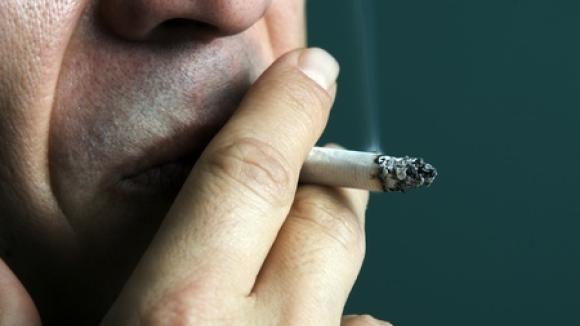
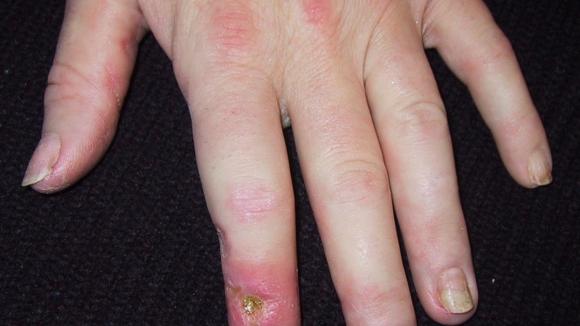
JAMA Internal Medicine has reported that cigarette smoking associated with an increased odds of having antineutrophil cytoplasmic antibody–associated vasculitis (AAV) (especially MPO positive AAV) and is thereby a modifiable risk factor for AAV.
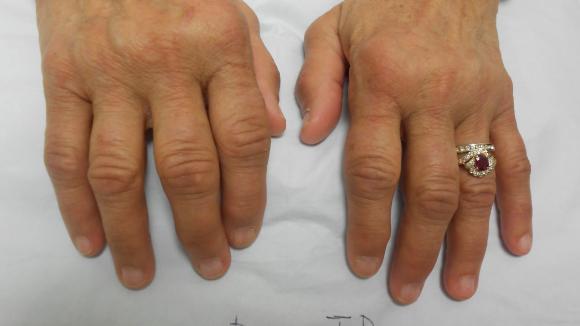
Many patients with rheumatoid arthritis (RA) who achieved remission or low disease activity on biologic treatment were able to reduce the dose of their biologic, particularly if they were also on methotrexate, a retrospective study found.
JAMA Cardiology reports the risk of QT (QTc) prolongation when hydroxychloroquine (HCQ) was given to hospitalized patients with coronavirus disease 2019 (COVID-19), especially when given with azithromycin.
The oral cannabinoid receptor type 2 (CB2) agonist lenabasum showed promising results for systemic sclerosis (SSc) in a phase II study.
The Annals of Rheumatic Disease has published the preliminary recommendations of the German Society of Rheumatology for the management of Inflammatory rheumatic diseases patients during the SARS-CoV-2/Covid-19 pandemic.
These preliminary recommendations are based on an expert consensus from 17 experienced German rheumatologists.
In the last few days there have been encouraging "preliminary" reports that IL-6 inhibition by either tocilizumab or sarilumab may be efficacious in patients with severe coronavirus infections.
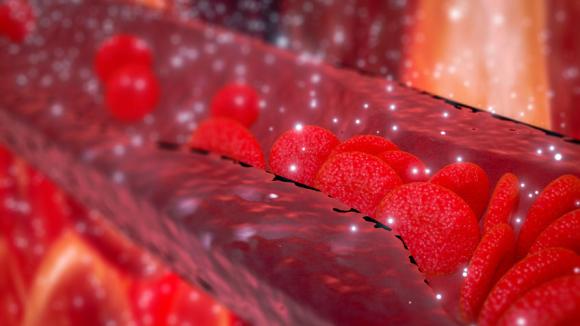
Arthritis & Rheumatology reports that biologic (bDMARD) use in rheumatoid arthritis may decrease cardiovascular disease risk by retarding coronary plaque formation and progression (especially non‐calcified and low‐attenuation plaque).
JAMA Open Network reports an interim analysis of the Brazilian CloroCovid-19 trial showing thta higher doses of chloroquine (CQ) in the treatment of severe COVID-19 was associated with QTc interval prolongation and increased mortality.
Dr Jack Cush reviews the news, journal reports, twitter feed and COVID developments from the past week on RheumNow.com
A pre-proof letter to the editor in the Journal of Allergy and Clinical Immunology presents a series of patients with immunoglobulin deficiency disorders and how they differentially responded when infected with the coronavirus.
They identified seven Primary Antibody Deficiencies patients with COVID-19 infection; five affected with Common Variable Immune Deficiencies and two affected with Agammaglobulinemia, one with X-linked Agammaglobulinemia and one with Autosomal Recessive Agammaglobulinemia.
The FDA issued a new consumer update on what you need to know about Cannabis or Cannabis-derived Compounds, Including CBD. This is part of the FDA effort to answer questions about the science, safety, and quality of products containing cannabis and cannabis-derived compounds, particularly CBD.
A National Institutes of Health (NIH) expert panel has developed consensus treatment guidelines for the management of coronavirus (COVID-19). To date no drug has been proven to be safe and effective for treating COVID-19. Moreover, they found no evidence to recommended the use of hydroxychloroquine for prophylaxis or treatment of COVID-19 outside of a current clinical trial.