
Article
Early reports on the COVID-19 pandemic allude to a cytokine storm or hyper-inflammation, especially in patients who succumbed to the illness.

Search for Terms or Answers
Early reports on the COVID-19 pandemic allude to a cytokine storm or hyper-inflammation, especially in patients who succumbed to the illness.

Patients with rheumatoid arthritis (RA) treated with abatacept (Orencia) had a lower risk of developing diabetes mellitus compared with those receiving certain tumor necrosis factor (TNF) inhibitors, a large cohort study suggested.
Dr. Jack Cush reviews the appproach to evaluating fever in adults suspected of having a rheumatic disease, Stills disease or autoinflammatory conditions.

Dr. Jack Cush reviews the news, journal articles and new ACR COVID-19 guidelines from the past week on RheumNow.com.

Treatment options for painful knee osteoarthritis (OA) are numerous, but comparative outcomes are seldom available. A NEJM report shows that physical therapy is superior to intraarticular glucocorticoids injections assessing the outcomes 12 months after the intervention.
The presentations of the COVID-19 infection have been clearly chronicled with the worrisome onset of sore throat, dry cough, loss of smell and taste with fevers, myalgias, fatigue and the worrisome progression of pulmonary involvement in a minority. Lab findings may include a leukocytosis,

The Journal of Rheumatology reports a retrospective, single center, analysis of 17 rheumatoid vasculitis patients who responded well to intravenous rituximab (RTX) therapy.
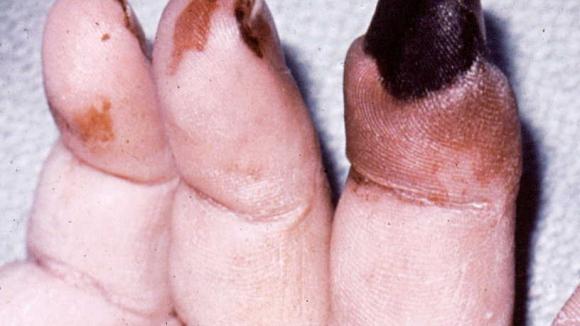
The 9/11/01 terrorist attach on the World Trade Center (WTC) resulted in at least 2,977 fatalities, over 25,000 injuries, and caused at least $10 billion in infrastructure and property damage. Arthritis & Rheumatology reports that dust cloud exposure among responders and

The monoclonal antibody guselkumab (Tremfya), which binds the interleukin (IL)-23 p19 subunit, was effective for psoriatic arthritis in two large clinical trials, providing comprehensive benefits for this heterogeneous disorder, investigators reported in The Lancet.
The Annals of Rheumatic Disease reports that rheumatoid arthritis patients on biologic therapies do not have a greater risk of postoperative infection after hip fracture, abdominopelvic or cardiac surgery compared (compared with those on methotrexate alone) and that glucocorticoids were associated with a dose-dependent increase risk for postoperative infections.

Dr Jack Cush reviews the news and journal reports from the past week on RheumNow.com
On Tuesday, April 7th, RheumNow hosted its first Tuesday Nite Rheumatology webinar - kicking off a two-month series of Rheumatology Grand Rounds lectures. The first session featured Jack Cush, MD (UT Southwestern) who lectured on "The Safety of Biologics and Newer Agents".
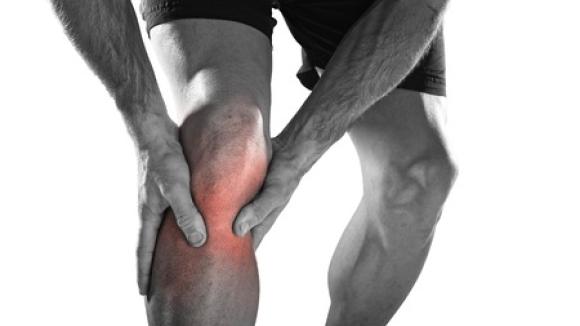
A phase III study of the nerve growth factor and monoclonal antibody tanezumab showed positive results in a refractory patient population with knee or hip osteoarthritis (OA) -- good enough that this agent may finally be approved after a long and rocky development road.
On April 3rd, the National Institute for Health and Care Excellence (NICE) in the UK, published a rapid guideline for managing children and adults with rheumatological autoimmune, inflammatory and metabolic bone disorders during the COVID-19 pandemic, while protecting staff from infection.

We indeed are living in interesting times and we all are seeking not to contract COVID-19 - this is logical. While our goal is to avoid infection, I think we all must agree that our aspirations must encompass more than disease avoidance. What we should be seeking now, as well, is more than absence of disease but rather a state of optimal wellness.

On Thursday, April 2nd, RheumNow hosted its' first Town Hall Meeting for Rheumatologist, with this 90 minute discussion devoted to the COVID-19 crisis as it affects Rheumatologists.

Dr. Jack Cush reviews the news on COVID-19 and FDA actions this past week. Be sure to check out:
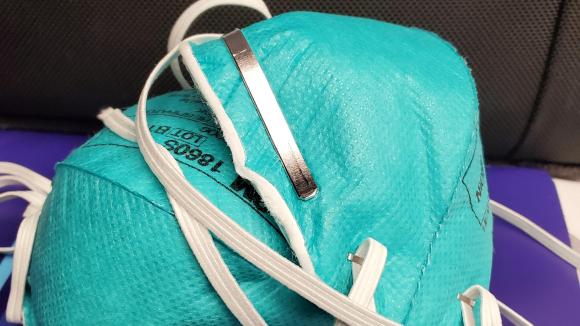
In early March 2020, there were widespread recommendations that wearing routine "surgical masks" by the public sector was not likely to be helpful or advisable. Now we are hearing of a 180 degree shift in thinking with the CDC, leading health officials and the current NEJM Perspective pointing to more widespread use of masks by healthcare workers and even by individuals in the public sector.
The March 31 release of the Morbidity and Mortality Weekly Report (MMWR) reviews the impact of several key comorbidities, most commonly diabetes mellitus, chronic lung disease, and cardiovascular disease, as cofactors leading to worse outcomes with COVID-19 infections. Below are e

Dr. Jack Cush reviews the news and COVID developments from this past week.

By downloading this material, I acknowledge that it may be used only for personal use and personal education and that I will accredit RheumNow.com as the source and owner of this material. Commercial use or mass reproduction of this material without permission from RheumNow (info@rheumnow.com) is prohibited.

