The most common cerebrovascular events (CVEs) seen among a large cohort of patients with systemic lupus erythematosus (SLE) were stroke and transient ischemia, and the majority of these events were attributable to the disease itself, a multinational study determined.
All News
The Journal of Clinical Investigation reports results of a study showing that increases in CD21lo B cells and plasmablasts following that combination checkpoint blockade preceded the onset of immune-related adverse events.
While some have postulated that IRAEs are thought to be T cell mediated, B cells have also been implicated. Investigators studied 39 melanoma patients undergoing treatment with either anti-CTLA4 or anti-PD1, or combination CCB therapy. They analyzed changes in circulating B cells before and after the first cycle of therapy of immune checkpoint blockade (23 received combination therapy, 8 received anti-CTLA4, and 8 received anti-PD1).

PNAS reports use of ibuprofen by males may result in antiandrogen effects that may contribute to adult male reproductive problems.
The latest issue of CDC’s MMWR reports that exercise counseling among arthritis patients increased from 52% to 61% (2002 to 2014); hence ~40% do not receive health care provider counseling, suggesting the need for provider education and training in exercise counseling, and improved electroni
Researchers in the NEO-RACo Study Group studied adverse events (AEs) in relation to disease activity in patients with early rheumatoid arthritis (RA).
The rate of small - but not large - joint surgery has dropped among patients with rheumatoid arthritis since 1995, a retrospective review of orthopedic surgeries found. By 2015, less than 1% of patients per year underwent small joint surgery, reported Ashima Makol, MD, of the Mayo Clinic in Rochester, Minnesota, and colleagues in Arthritis Care & Research.
2018 Predictions for Rheumatology
MedPage Today Editors surveyed a few rheumatologists for their major news predictions in 2018. Read on for predictions regarding drug pricing, biosimilars, autoimmunity and checkpoint inhibitors, and thrombotic events and JAK inhibition.
Recent JAMA study shows metanalysis of 33 clinical trials and 51,145 participants, showed that calcium, vitamin D, or both affords no decreased risk of hip fractures compared with placebo or no treatment and therefore questions their routine widespread use in the elderly..
Dr Jack Cush reviews the news and journal articles from the past week on RheumNow.com.
Malcolm Gladwell (along with coauthor David Epstein) is well known for his national bestsellers The Tipping Point, Blink, and Out¬liers; all addressing the psychosociologic side of human behaviors and trends.
An editorial and systematic review of complications seen when checkpoint inhibitor (CPI) therapies are given to patients with immune mediated inflammatory disorders (IMIDs) and cancer shows that nearly 75% manifest autoimmune and inflammatory immune-related adverse events (irAEs).
A UK Study published in Lancet shows that community-based screening programme for fracture risk in older women is feasible, and may reduce hip fractures.
The Journal of Rheumatology has published a nationwide survey of US rheumatologists and shown that despite trends for increasing metric assessments, nearly half of rheumatoid arthritis (RA) patients are not routinely assessed with a disease activity metric and the evidence they
Rheumatology has published a study demonstrating that bone marrow edema as measured by magnetic resonance imaging (MRI) may be found in healthy people, but that such changes do not change with intense physical activity.
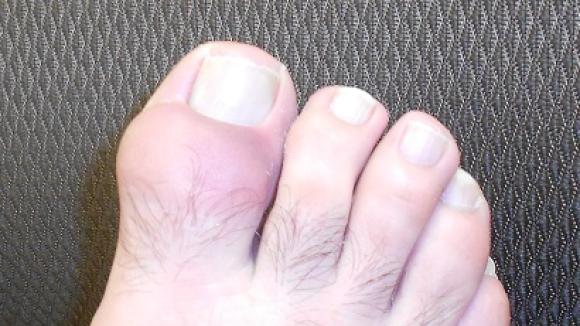
The British Society for Rheumatology/British Health Professionals in Rheumatology first published a guideline for the management of gout in 2007. They have just updated and published their new guideline, largely because of new therapies, an increasing incidence of gout, low penetrance of urate lowering therapies, and the inability to achieve a target serum uric acid level.
In this Therapeutic Update, Drs. Mease, Gibofsky and Cush answer five questions regarding the August 3rd FDA Arthritis Advisory Committee meeting that reviewed the potential approval of tofacitinib (Xeljanz) in patients with active psoriatic arthritis. The panel was nearly unanimous (10-1) in favor of the efficacy and safety profile of of tofacitinib, and similarly voted 10-1 to approve this drug for use in PsA. Final decisions on these recommendations from the AAC panel will be made at a later date by the FDA.
Arkema et al has published in Annals of Rheumatic Disease a study showing that ischaemic and haemorrhagic stroke (CVA) is elevated in systemic lupus erythematosus (SLE) compared with the general population, especially in the first year.
The Annals of Internal Medicine reports that despite improving trends in mortality, death rates from systematic lupus erythematosus (lupus) remain high compared to those in the general population, and disparities persist between subpopulations and geographic regions.
Dr. Jack Cush reviews highlights and news from the past week on RheumNow.com.
Hypertension, nephrolithiasis and chronic kidney disease (CKD) commonly associates with gout. While there is a clear need to dose adjust NSAIDs and colchicine in those with CKD, there is some debate about the need to dose adjust when using allopurinol with CKD.