

Article
All News

Article
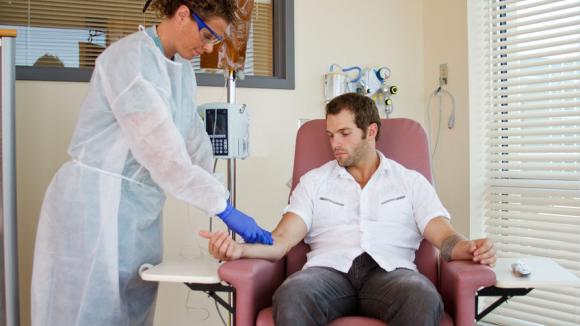
The American College of Rheumatology (ACR) has published a guidance document on infusions and office based therapies.

Article
Drs. Cush and Kavanaugh discuss the downside of stopping hydroxychloroquine, DMARDs and biologics in lupus, RA and pregnancy.
Article
In the midst of a global pandemic of the 2019 Novel coronavirus acute respiratory disease (COVID-19), a small handful of Rheumatologists gathered on social media to collectively grapple with the impact of this virus on vulnerable populations with rheumatic disease.

Article
As they say, necessity is the mother of invention. After years of bemoaning the challenges of telemedicine, our rheumatology clinic transition entirely to a remote clinic in the space of a week.
Article
With the COVID-19 pandemic dynamically changing, we have provided several news items germane to the Rheumatologist.

Article
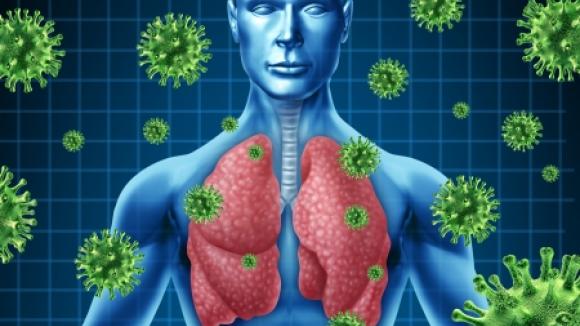
As the highly virulent SARS-CoV-2 spreads over the world, uncertainty and fear for our patients with rheumatic diseases mount.

Article
We are in the early stages of trying to limit the morbid and mortal consequences of the corona virus pandemic of 2020. Not surprisingly, the recommendations designed to limit exposure and damage continually highlight the fact that the elderly and immunosuppressed may be amongst the most severely affected should they become infected with this virus.
This has led to a great deal of uncertainty by patients and providers about how rheumatic diseases and their treatments need to be specifically addressed.

Article
Risks of infection were strikingly high among patients with antineutrophil cytoplasmic antibody-associated (ANCA) vasculitis, which may relate to both the disease and its treatment, Scottish researchers found.
Article
Dr. Jack Cush reviews the news and journal articles from the past week on RheumNow.com.

Article
An Italian study examined the outcomes in adult onset Still's disease (AOSD) based on whether they received early or delayed treatment with anakinra (ANK).
A total of 141 AOSD patients were retrospectively studied.

Article
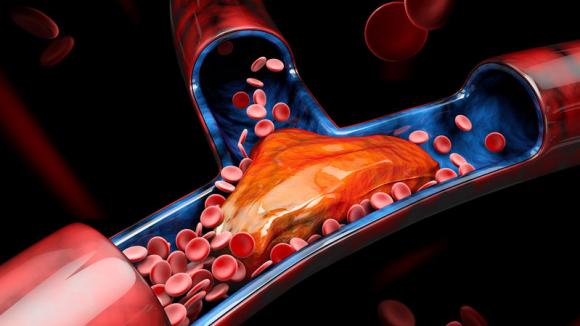
On 14 November 2019 the European Medicines Agency (EMA) concluded that Xeljanz (tofacitinib) could increase the risk of blood clots in the lungs and in deep veins in patients who are already at high risk. These recommendations have been formally published and are intended for EU nation
Article
Dr. Jack Cush reviews the news and journal articles from the past week on RheumNow.com.
Article
A full-read, novel Viewpoint article published in the Annals of Rheumatic Disease (Huizinga TWJ, et al) spotlights a recent international meeting of big thinkers, scientific collaborators and industry dedicated to innovation in rheumatology.

Article
Science Translational Medicine features a report from the Fred Hutchinson Cancer Research Center showing that a scopion venom peptide, coupled to steroid, can significantly reduce joint inflammation in a rat model of rheumatoid arthritis (RA).

Article
I think 2018 was the year that belonged to psoriatic arthritis (although some may argue in favor of immune conditions induced by Checkpoint inhibitors). Many years ago the late Professor Verna Wright in Leeds (UK) was a lone voice for many years describing the clinical subtypes of Psoriatic arthritis as something distinctive from rheumatoid arthritis. For a long time we thought that the treatments for PsA were just the same as RA since we were treating the same problem of synovitis.
Article
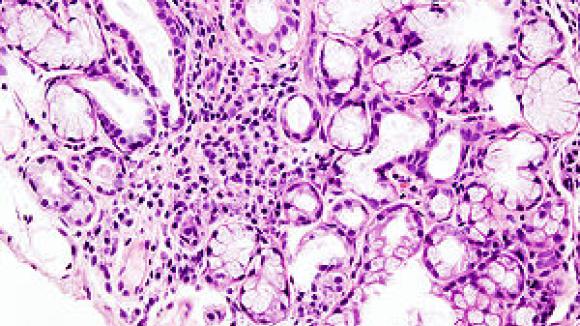
Seasonal variations in symptoms -- commonly reported by patients with rheumatic diseases -- were not observed in a large cohort of patients with primary Sjogren's syndrome, French investigators found.
Article
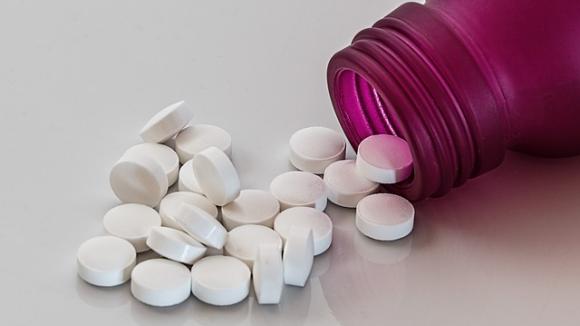
In a study of rheumatoid arthritis (RA) patients, JAMA reports that serum folate level of greater than 4.3 ng/mL was associated with lower CV mortality risk.
Article
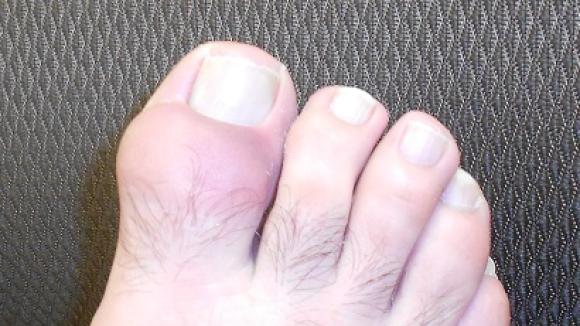
The Annals of Rheumatic Disease reports that interleukin- 27 (IL-37) may play an important role in the pathogenesis of gout, paving the way for future therapy with recombinant IL-37 in gouty arthritis.
Article
Dr Jack Cush Reviews the news and journal articles from the past week on RheumNow.com

