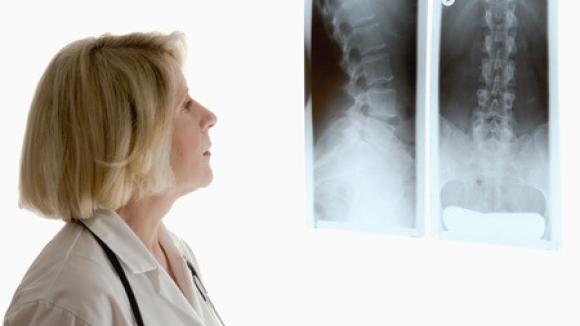
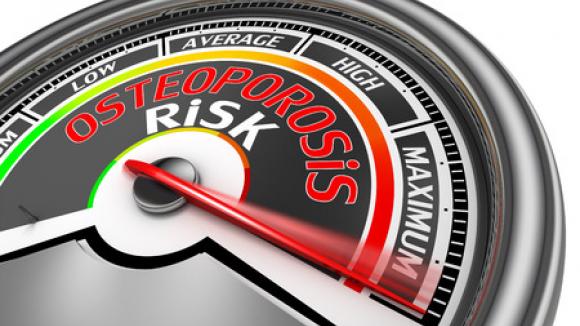
Researchers at the University of California - Davis have shown that elderly women who had an upper body fracture or multiple fractures had more loss of hip density compared to those who who did not fracture. Systemic bone loss may increase the risk of future fractures.

All News
The Maastricht study explored the potential association between dairy consumption and knee osteoarthritis (OA), and found that higher intake of full-fat dairy and Dutch cheese - but not milk - was significantly associated with the lower risk of knee OA.
The Annals of Internal Medicine reports that interleukin-1 (IL-1) inhibitor treatment is associated with a reduced risk of gout attacks - such are the findings of an anlysis of the CANTOS study previously reported at the Annual ACR 2017 meeting in Washington, DC.
A study from the British Society for Rheumatology Biologics Register in Axial Spondyloarthritis (BSRBR-AS) shows that biologic use significantly improves work productivity and overall activity impairment.
Twenty-year data from the Nurses’ Health Study (NHS) suggests that depression is associated with a 2-fold increased frequency of systemic lupus erythematosus (SLE) - the question is why?
A metanalysis of studies and over 42,000 physician shows that MD burnout is associated with 2-fold increased in unsafe care, unprofessional behaviors, and low patient satisfaction.
The primary outcomes were the quantitative associations between burnout and patient safety, professionalism, and patient satisfaction.
Dr. Jack Cush reviews news and journal articles from the past week on RheumNow.com.
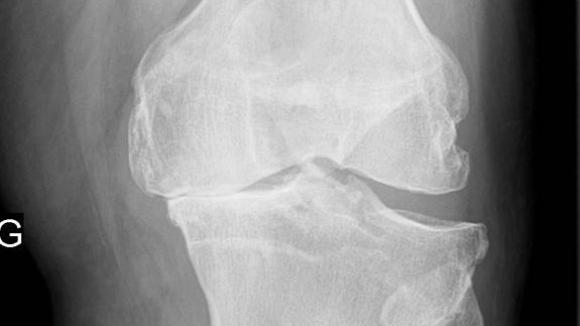
Osteoarthritis (OA) affects 27 million Americans but its affect on mortality is uncertain. A recent study shows that while self-reported OA does not increase mortality, radiographic OA of the knee (RKOA) is associated with higher mortality related to CVD, diabetes and renal disease.
The American College of Rheumatology (ACR) today released the Rheumatic Disease Report Card: Raising the Grade on Rheumatology Care in America, a first-of-its-kind report that evaluates just how difficult it can be to live well with a rheumatic disease in the United States.
Uric acid (sUA) control may be a challenge in patients with chronic kidney disease (CKD). A cohort study shows that conventional dosing recommendations for allopurinol are unlikely to reach target serum sUA goals.
An odd side effect of several new agents is the risk of hyperlipidemia. While this has been seen with tocilizumab (TCZ), there does not appear to be a resultant risk of cardiovascular (CV) events. A study of claims data compared CV risk in rheumatoid arthritis (RA) patients receiving TOC (an IL6 receptor antagonists) and other biologics and found no differences with regard to CV outcomes.
A retrospective study of the large UK Clinical Practice Research Datalink assessed patient compliance in gout and found that adherence to allopurinol is poor, especially among females and younger patients and those with fewer comorbidities.
Dalbeth and colleagues studied 4 large prospective cohorts and found that rising levels of serum uric acid (SUA) leads to a non-linear increased risk of incident gout, but only half of those with SUA ≥10mg/dL developed clinically evident gout.
A large Canadian study of the drug use in ankylosing spondylitis (AS) demonstrated no evidence that the risk of serious, hospitalized infection was influenced by the use of DMARD and/or of tumour necrosis factor inhibitors (TNFi) therapy.
A study of inpatient systemic sclerosis (SSc) hospitalizations using the 2012–13 National Inpatient Sample database finds an inpatient mortality rate of 5%, and that infection was the most common cause of SSc hospitalizations and in-hospital death.
Comorbidity is pervasive and complicates medical care in general. It can be a by-product of aging. It may result from drug therapy or an inciting disease process and may be part of the constellation that defines the primary disorder. A growing body of evidence that suggests that comorbidity has a significant dampening effect on drug responsiveness and, adds to poorer outcomes in patients with inflammatory arthritis.
There is a large body of data that shows tumor necrosis factor inhibitors (TNFi) use in rheumatoid arthritis (RA) confers the same risk as that seen in RA - meaning there is no increase over and above that incurred by inflammation and RA itself. There are fewer studies about whether it is s
Among elderly female Medicare patients, persistent use of osteoporosis medications was associated with reduced risk of fracture and significantly lower total health care costs.
The Annual U.S. News and World Report Rankings of Hospitals has listed the top contenders in the field of rheumatology. The U.S. News Review rates hospitals nationwide in 16 specialties – including rheumatology. Of the 4,500 hospitals covered by U.S.
The type of biologic disease-modifying anti-rheumatic drug (DMARD) being used and remission duration were important factors predicting whether remission was maintained among patients with rheumatoid arthritis after cessation of the biologic, a Japanese study found.