
Article
Dr Jack Cush reviews the news and journal articles from the past week on RheumNow.com

Search for Terms or Answers
Dr Jack Cush reviews the news and journal articles from the past week on RheumNow.com

Obesity has been shown to be a risk factor for the onset of rheumatoid arthritis (RA) and also shown to affect outcomes by impairing responses to many DMARD therapies. A Swiss study of RA patients undergoing bariatric surgery failed to show that bariatric surgery and weight loss had any effect on the incidence of RA.

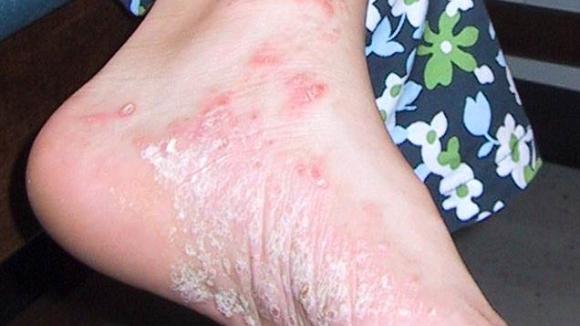
A metanalysis of phase II, III and IV trials in moderate to severe plaque psoriasis suggests comparative efficacy biologic treatments, but that that brodalumab, guselkumab, ixekizumab, and risankizumab-rzaa were shown to have the past skin (PASI) response rates.
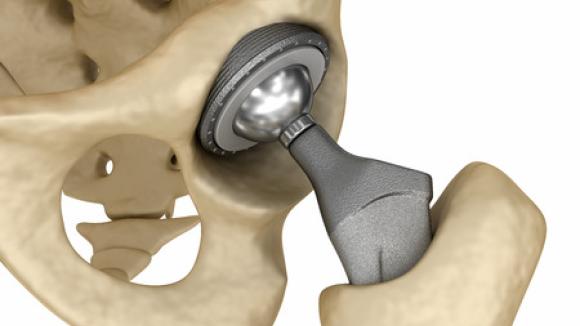
JAMA Internal Medicine has reported that use of low dose aspirin for venous thromboembolism (VTE) prophylaxis after total hip and knee replacement is equal in efficacy to other anticoagulants.
The suggestion to hit rheumatoid arthritis (RA) early and hard with biologic therapies itself took a hit in a new study.

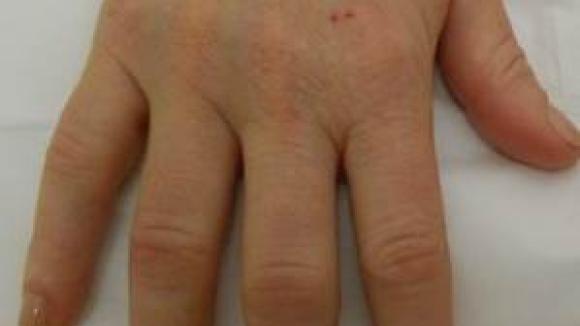
The VEDERA study sought to confirm whether the very early introduction of first-line etanercept+methotrexate (ETN+MTX) was superior to treat-to-target MTX (MTX-TT) in patients with early RA.
The European League Against Rheumatism (EULAR) has established an international collaborative group (EULAR SS Task Force) to develop the first EULAR evidence and consensus-based recommendations for the management of patients with Sjogens syndrome (SjS).

The BMJ reports that while most US providers are cautious in their prescribing, half of opioid prescriptions are written by 1% of providers.
Between 2003 and 2017, there was an annual average of 669495 providers prescribing 8.9 million opioid prescriptions.

Dr. Jack Cush reviews the news and journal articles from the past week on RheumNow.com.
The NEJM weighs in on the problem of post-menopausal osteoporosis (OP) and tackles the use of hormonal therapy.
The decline in estrogen after menopause may increase risks for osteoporosis, cardiovascular disease, and cognitive decline. The use of hormone replacement therapy (HRT) to obviate these issues may be primarily driven by hot flashes in postmenopausal women.1
Who may benefit from hormone therapy among postmenopausal women?

UK registry reports that greater than 80% of total knee replacements can last for 25 years.
The outcomes regarding the duration and durability of knee arthroplasties is sketchy, with many orthopedists projecting a 15 to 20 year survivial. Hence the need for an appraisal of the data.

Women who were seropositive for anti-citrullinated protein antibodies (ACPA) and ultimately went on to develop rheumatoid arthritis (RA) were also at increased risk for being diagnosed with chronic obstructive pulmonary disease (COPD), analysis of data from the Nurses' Health Study showed.
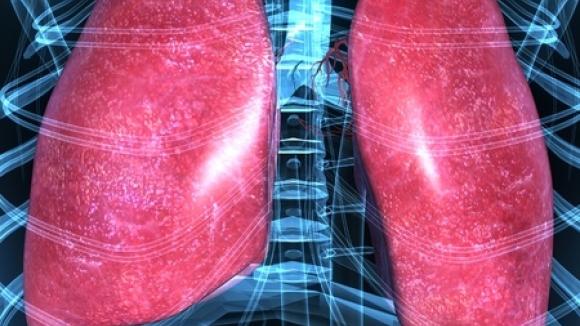
A new study in Scientific Reports suggest that circadian rhythms play an important role in wound healing, and that nonsteroidal anti-inflammatory drugs (NSAIDs) may be disruptive if taken at night given primary healing that occurs in a body at night.

The 2019 update to the EULAR recommendations on the use of synthetic and biological disease-modifying antirheumatic drugs in rheumatoid arthritis (RA) have been published in Annals of Rheumatic Disease - highlighting the efforts of an international consensus committee effort.
In the end, the task force put forth 5 overarching principles and 12 recommendations concerning use of conventional synthetic DMARDs, glucocorticoids, biological DMARDs, biosimilar DMARDs, and targeted synthetic DMARDs (the Janus kinase (JAK) inhibitors tofacitinib, baricitinib, filgotinib, upadacitinib).

Dr Jack Cush comments on this week's journal articles, reviews and studies.
QD Clinic - Lessons from the clinic. In this video: Patients stable on a biologic need guidance on when, and if, they can stop their biologic.

QD Clinic - Lessons from the clinic
Active HBV infection (HGsAg+) on anti-viral therapy but needs a biologic - what should you use?

The availability of biologic biosimilars has thus far had negligible impact on prescribing practices in the United States, in stark contrast to what has been observed in some European countries, researchers reported.

Prospectively study of neuropsychiatric (NP) events in1827 SLE - found that NP-SLE occured in 52%; with 31% directly attributed to SLE. Risk of NP-SLE was highest in the first 2 years (RR 6.16) and mortality risk was higher in NP-SLE pts ((16% vs 7%) https://t.co/03wfX5SxNm
Study of 260 TB patients treated with pyrazinamide or fluoroquinolones showed a higher risk of joint pain (mostly ankles knees) with FQN (29%) vs PZA (17%); median latency was 55 days vs 138 days; half had hyperuricemia. https://t.co/ylc4Az0yOz
By downloading this material, I acknowledge that it may be used only for personal use and personal education and that I will accredit RheumNow.com as the source and owner of this material. Commercial use or mass reproduction of this material without permission from RheumNow (info@rheumnow.com) is prohibited.


