
Article
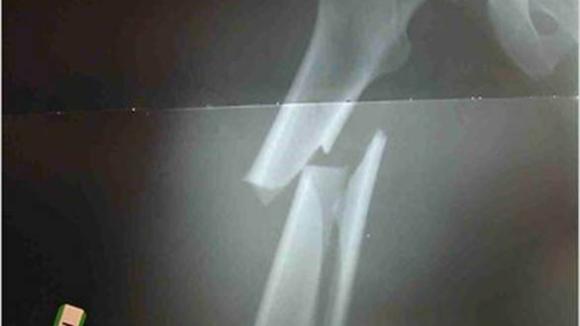
In a recent JAMA Viewpoints article, Dr. Susan Ott addresses several controversies in preventing osteoporosis (OP) related fractures.

Search for Terms or Answers
In a recent JAMA Viewpoints article, Dr. Susan Ott addresses several controversies in preventing osteoporosis (OP) related fractures.
At the end of June, Sobi was awaiting an FDA decision on its Biologics License Application (BLA) for NASP (nanoencapsulated sirolimus plus pegadricase) for the treatment of adult patients with uncontrolled gout. On June 26, 2026, SOBI received a Complete Response Letter from the U.S. FDA that will delay a decision on NASP, pending the company's answer to questions regarding the drugs manufacturing at a 3rd party facility in China.

Compared to common medical conditions such as hypertension, type 2 diabetes, hyperlipidemia or osteoporosis, where the reported drug adherence rates are between 50% to 70%, the drug adherence for gout is 37%.

The New England Journal of Medicine (NEJM) retracted the pivotal study supporting FDA's approval of avacopan (Tavneos) for severe forms of anti-neutrophil cytoplasmic

A network meta-analysis in the Journal of Autoimmunity reviews the pharmacologic options for rheumatoid arthritis–associated interstitial lung disease (RA-ILD). RA-ILD guidelines were recently presented by ERS/EULAR, but these were mainly conditional, low-certainty recommendations.

Almost everyone will deal with back pain at some point in their lives.

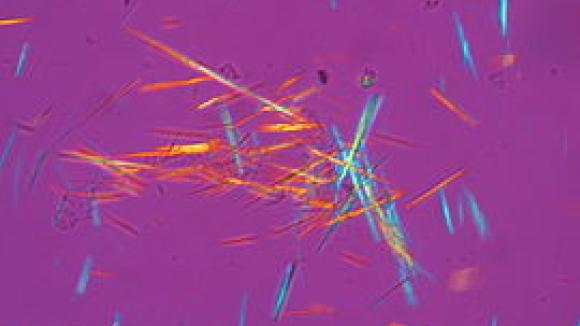
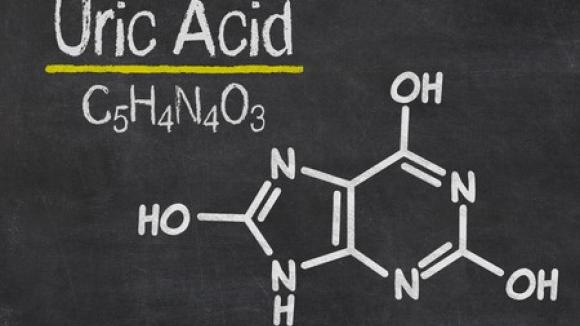
Lowering serum urate and urate crystals in the body is indispensable for long-term management of gout. The pathophysiology is simple and powerful: no urate crystals, no gout flares.
In 2024, the Canadian Rheumatology Association (CMA) and the Spondyloarthritis Research Consortium of Canada (SPARCC) published a comprehensive set of 56 treatment recommendations for the management of axial spondyloarthritis. This first update is focused on the reassessment of IL-17i recommendations.

EULAR recommends a combination of glucocorticoids with either rituximab or cyclophosphamide for remission induction in life-threatening or organ-threatening AAV, followed by gradual tapering of glucocorticoids.
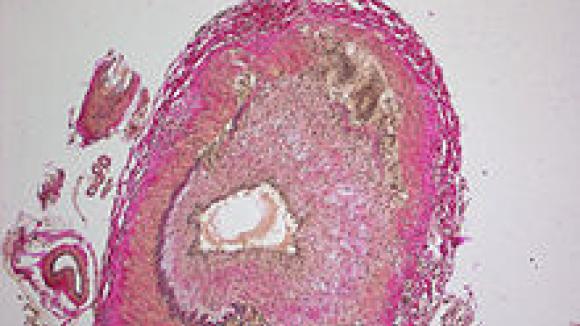
A Lancet Rheumatology systematic review shows the prevalence of hyperuricaemia has risen markedly over the past two decades in both men and women, owing to population growth, aging, and increasing age-specific rates
At EULAR 2026, McCormick and Curtis et al presented data from the American College of Rheumatology’s (ACR) Rheumatology Informatics System for Effectiveness (RISE) registry on the use of GLP-1 agents in rheumatic diseases (RMD).

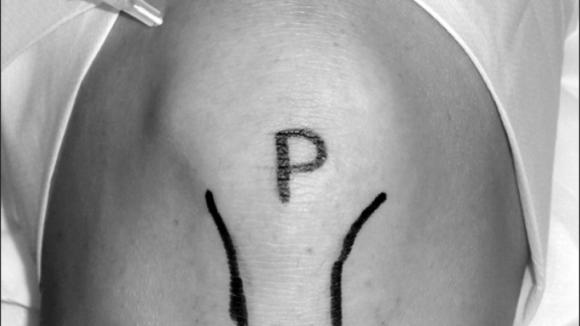
A randomized clinical trial of 60 patients found that glucocorticoid injections into the infrapatellar fat pad (IPFP) did not significantly reduce pain scores in patients with inflammatory knee osteoarthritis (compared to placebo).


By downloading this material, I acknowledge that it may be used only for personal use and personal education and that I will accredit RheumNow.com as the source and owner of this material. Commercial use or mass reproduction of this material without permission from RheumNow (info@rheumnow.com) is prohibited.


