
Article
A pivotal member of the RheumNow family, Brenda McShan, will be retiring with honors.

Search for Terms or Answers
A pivotal member of the RheumNow family, Brenda McShan, will be retiring with honors.

Dr. Jack Cush reviews the news and journal articles from RheumNow.com. Updates on tofacitinib, CAR-T therapy and AI.

Severe refractory systemic lupus erythematosus (srSLE) is a clinical state conceptualised as persistent high disease activity despite standard care with glucocorticoids and immunosuppressants.
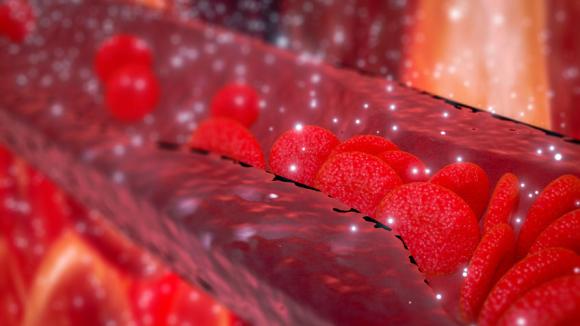
New and updated clinical guidelines released today provide comprehensive, evidence-based recommendations for the management of axial spondyloarthritis (axSpA) for both adults and children.

Real-world or observational data from registries, claims datasets, or electronic health records can enable us to perform large-scale analyses.

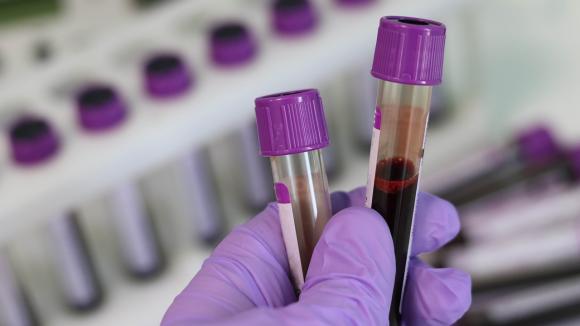
JAMA Network Open has publshed that a simple 2-gene blood test may aid the earlier diagnosis of Kawasaki disease in children with febrile illnesses.
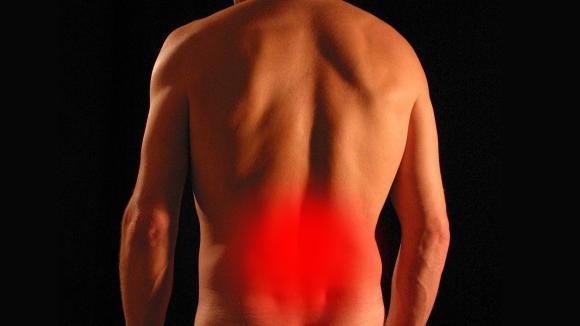
A comprehensive JAMA review synthesizes current evidence on the epidemiology, pathophysiology, clinical evaluation, and treatment of nonspecific low back pain, drawing on 108 publications identified from a PubMed search (2005–2026) and the most recent guidelines from the WHO, ACP, and NICE. While the primary audience is generalists, the review carries important implications for rheumatologists who regularly encounter patients with back pain in the context of inflammatory arthritis, axial spondyloarthritis, and other systemic diseases.
Dr. Jack Cush reviews the news, journal reports and best ways to review EULAR 2026.
In an oral abstract presentation on Wednesday 3rd June, Fredrik Albach presented results for mivocabtagene autoleucel – an autologous, fully human CD19-directed CAR-T cell therapy – from Phase 1 of the prospective, open-label COMPARE trial in six patients with anti-citrullin

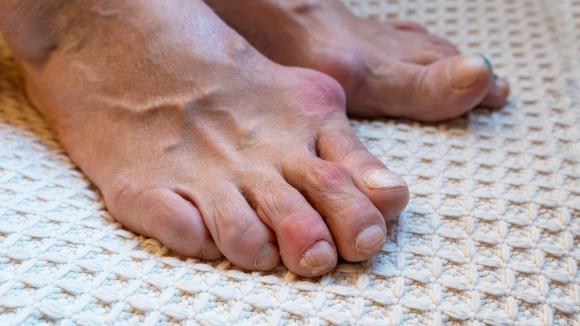
New EULAR 2026 data show continued treat-to-target ULT beats a discontinuation strategy for maintaining gout remission (79.2% vs. 62.9% flare-free), though many who stopped still stayed flare-free. A companion study links gout and rheumatoid arthritis to distinct, adverse body fat patterns tied to higher diabetes and cardiovascular risk.





By downloading this material, I acknowledge that it may be used only for personal use and personal education and that I will accredit RheumNow.com as the source and owner of this material. Commercial use or mass reproduction of this material without permission from RheumNow (info@rheumnow.com) is prohibited.


