
Article
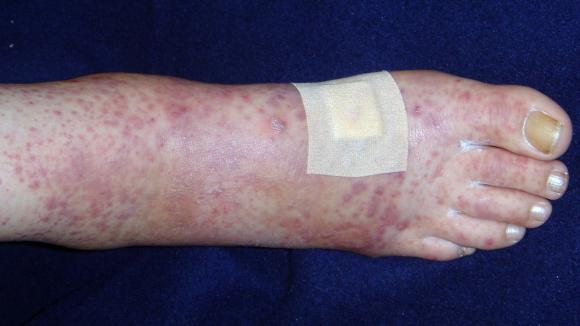
Since the 1980s, hydralazine has been a notable cause of drug-induced lupus, and inferred to cause vasculitis as well.

Search for Terms or Answers
Since the 1980s, hydralazine has been a notable cause of drug-induced lupus, and inferred to cause vasculitis as well.
Dr. Jack Cush reviews the news and journal reports from this week on RheumNow.com

I recently attended a fascinating lecture by Dr. Anisha Dua on progress in the diagnosis and treatment of large-vessel vasculitis, with a focus on giant cell arteritis (GCA) and Takayasu's arteritis. She opened with what felt like the most honest “state of the union” slide you can show a room full of rheumatologists: steroid burden is still enormous.
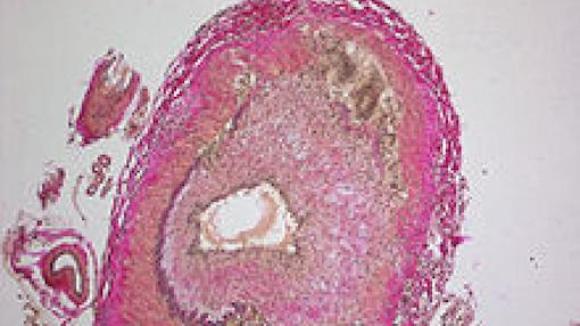
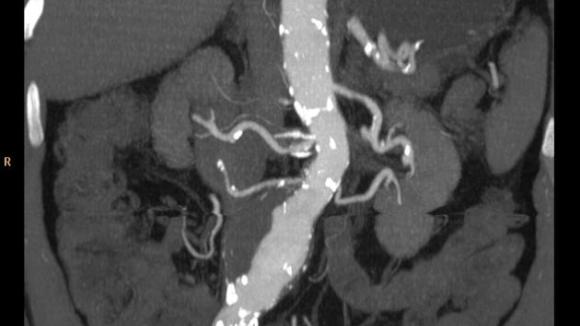
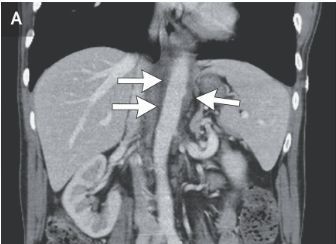
Giant-cell arteritis and Takayasu’s arteritis are both large-vessel vasculitides, but each brings its own diagnostic and management challenges. Many of the difficulties overlap because they are rare, heterogeneous, and lack perfect diagnostic tests or specific biomarkers.
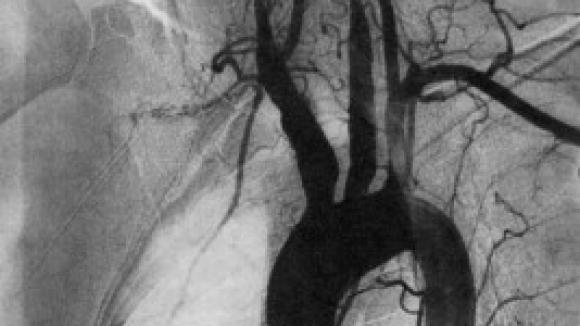
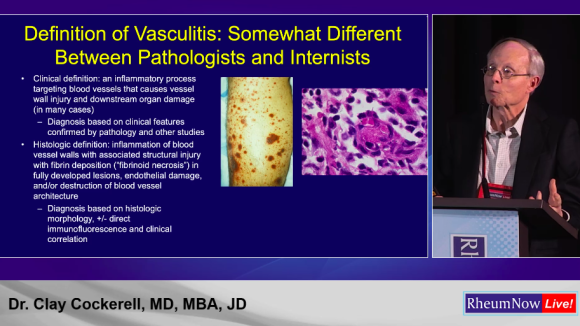
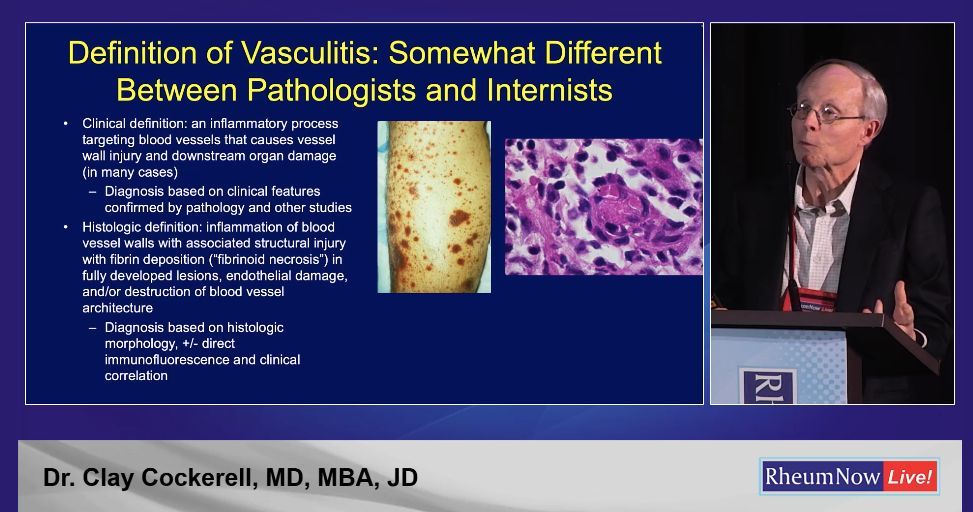
Sunday’s vasculitis session at RNL26 was a fantastic update on inflamed blood vessels, large and small, by two experts in the field: rheumatologist Dr. Mike Putman and dermatopathologist Dr. Clay Cockerell.
Dr. Jack Cush reviews the news, journal articles and regulatory news from this past week on RheumNow.com
The FDA has requested that Amgen voluntarily withdraw avacopan (Tavneos), a treatment for anti-neutrophil cytoplasmic autoantibody (ANCA)-associated vasculitis, but the company said it has no plans to pull the drug from the market.

A retrospective cohort study of patients with giant cell arteritis (GCA) demonstrates relapses are common and seen in nearly half of patients, were common after treatment is stopped and is not effectively averted by methotrexate (MTX).

The The Tocilizumab in Giant Cell Arteritis Spanish Collaborative Group studied giant cell arteritis with aortitis, comparing the efficacy of intravenous vs. subcutaneously (SC) tocilizumab (TCZ) - demonstrating the superiority of SC TCZ.
Dr. Jack Cush reviews the news and reports from the past two weeks on RheumNow.Com






By downloading this material, I acknowledge that it may be used only for personal use and personal education and that I will accredit RheumNow.com as the source and owner of this material. Commercial use or mass reproduction of this material without permission from RheumNow (info@rheumnow.com) is prohibited.


