The CDC has reported its 2013 and 2014 prevalence statistics for arthritis and other chronic medical conditions affecting U.S. adults aged ≥18 years. Data is drawn from the ongoing Behavioral Risk Factor Surveillance System (BRFSS), a state-based, telephone survey of noninstitutionalized adults. Data herein is self-reported arthritis (OA, RA, Gout, FM) and is quantified by state and metropolitan areas.

All News
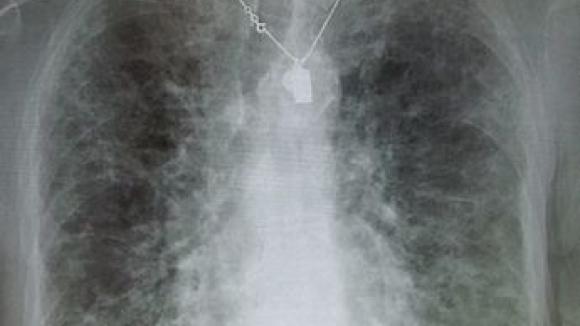
Annals of Rheumatic Disease has published a Danish population based study demonstrating the high mortality rates seen with interstitial lung disease (ILD).
A Swedish study has shown that occupational silica exposure increases the incidence rates of sarcoidosis and rheumatoid arthritis (RA) in those exposed workers in Swedish iron foundries.
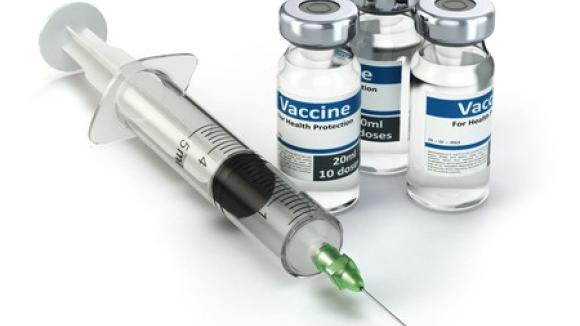
Reuters reports that the FDA advisory panel has voted 11-0 in favor of the safety and efficacy and ultimate approval of GlaxoSmithKline’s Shingrix shingles vaccine for use in adults aged 50 and over.
It is well known that influenza infection is more common in patients with rheumatologic diseases. Blumentals et al.
Interleukin-4 has been shown to activate sensory neurons involved in pruritus, and that inhibition of IL-4 with Jak inhibition significantly alleviates itching.
Infections and noninfectious pulmonary disease were associated with an increased risk for idiopathic inflammatory myopathies (IIM), a Swedish study found.
Hugo E. Jasin, M.D., a long-time faculty member at The University of Texas Southwestern Medeical Center and the University of Arkansas College of Medicine, passed away on August 24th, at the age of 84 years.
The introduction of a growing number of biosimilars into the market poses a substantial change in cost of care for patients with inflammatory rheumatologic disorders.
A large multi-center study of cardiovascular (CV) risk factors in rheumatoid arthritis (RA) has shown, after nearly 6 years follow-up, more CV events in males than females (21% vs. 11%, respectively) and that RA itself accounts for 30% of the attributable CV risk.
Noe and colleagues have reported in the Journal of Investigative Dermatology that by estimating the extent of skin involvement in psoriasis (%BSA) they may assess future mortality risk.
In the current issue of ARD, the European League Against Rheumatism (EULAR) has revised and updated its 2001 guideline for musculoskeletal (MS) ultrasound (US) in rheumatology; this time incorporating new advances, technological developments and use indications in rheumatology. EULAR has provided this as an educational tool and standard reference for MSUS practice and research in rheumatology.
The June 2017 RheumNow “Live Vote” surveyed US and non-US rheumatologists and patients about how they diagnose and treat rheumatoid arthritis (RA) and whether they rely on newer diagnostic criteria and management guidelines propagated by the American College of Rheumatology (ACR).
Opioid overdose deaths quadrupled from 1999 to 2015 and accounted for 63% of drug overdose deaths in the United States in 2015. During 2010–2015, heroin overdose deaths quadrupled from 3,036 to 12,989, with heroin and illicitly manufactured fentanyl (IMF) as likely contributors to this trend.
As a practicing rheumatologist for more than 30 years, I can recall a time – just a couple of decades ago – when waiting rooms were full of patients in wheelchairs, debilitated and in pain from rheumatoid arthritis (RA) and other related conditions.
This Drug Safety Bulletin address FDA delay of baricitinib, etanercept effective at room temperature, Consumer Reports features on drug safety, no association between Alzheimer's and PPIs, AHRQ review of opioid drug safety, FDA safety abeling changes, drug shortages and more.
A Swedish population-based study found a nearly fourfold greater risk of all-cause mortality in idiopathic inflammatory myopathy (IIM) patients compared with the general population.
The current issue of JAMA reviews the rising practice of patient recording of medical visits and their legality.
The current issue of Arthritis & Rheumatology features an editorial and two novel articles on the herpes zoster vaccine.
The results of a randomized, double-blind trial have shown that canakinumab (CAN), an interleukin-1β inhibitor, given as 150 mg every 3 months, resulted in a significantly lower rate of recurrent cardiovascular events (in high-risk CV patients), independent of lipid-level lowering. The results of the CANTOS studywere simultaneously published in NEJM, Lancet and were presented at the European Society of Cardiology meeting in Barcelona.