
Article
Bone turnover markers (BTMs) have been eyed for decades as potential monitoring tools in osteoporosis.

Search for Terms or Answers
Bone turnover markers (BTMs) have been eyed for decades as potential monitoring tools in osteoporosis.

The American College of Rheumatology has partnered with the American Association of Hip and Knee Surgeons to develop consensus-based guidelines for perioperative management of antirheumatic therapies for patients with rheumatic diseases who plan to undergo total joint replacement.

Dr. Jack Cush reviews some of the highlights from the past week at EULAR 2017 - June 16, 2017.
Follow RheumNow's expanded coverage from EULAR 2017 in Madrid.
Numerous studies have shown that gout hospitalizations have increased in the last decade. Also worrisome is a new studiy showing that patients admitted to the hospital are less likely to have received recommended urate-lowering treatment (ULT).

The first day of EULAR 2017 highlighted a symposium focus on the advances in wearable technologies. Several lectures updated attendees with the state of wearables in society and their implications on public health, fitness, weight loss and clinical trials.

The current Lancet edition for 10 June 2017 is a rheumatology rich collection.

Vaccinating our rheumatoid arthritis patients against influenza every year is a safety priorty. However immunosuppressive therapies pose a challenge to vaccine administration as their use can hamper vaccine immunogenicity.

Drs. Kremer and Weinblatt have responded to a recent Annals of Rheumatic Disease article regarding the hepatic risks of alcohol use with methotrexate (MTX) therapy authored by Humphries et al. (Citation source: http://buff.ly/2r70uuz)

The American College of Rheumatology has updated its 2010 guideline for the prevention and treatment of glucocorticoid-induced osteoporosis. The guideline provides recommendations on assessing fracture risk and treatment for adults and special patient populations, including women of childbearing potential, adults treated with very high-dose glucocorticoids, adults with organ transplants, and children ages 4-17.
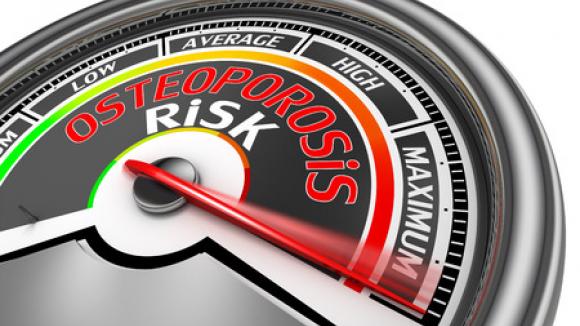
Manpower in rheumatology is about to be a major problem for the next several decades: not enough trainees, a "tsunami of retiring older white rheumatologists", and an aging baby-boomer, arthritis-primed population will strain current resources and manpower. Moreover, necessary services will not likely be available to those in need and there may be a significant maldistribution of adequate rheumatologic care.

Biosimilars continue to command a great deal of research, development and attention given the promise of significant cost savings and potentially wider use for those in need. Biosimilar Reports is an ongoing series dedicated to advances, discussions and developments in biosimilar agents intended for use by rheumatologists.

The Journal of the American Geriatric Society has reported that older women receiving bisphosphonate therapy for greater than 10-13 years were more likely to suffer from fractures.
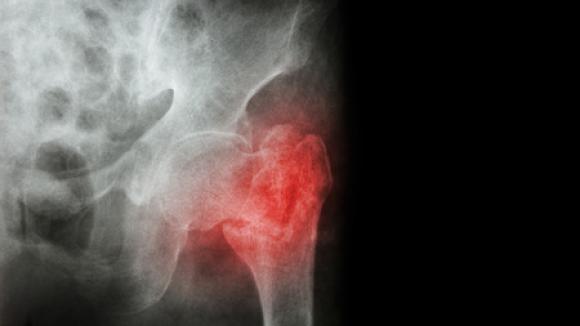
Dr. Jack Cush reviews highlights from the past week on RheumNow.com.

Ohio is suing five major drug manufacturers, accusing them of misrepresenting the risks of prescription opioid painkillers that has resulted in the current opioid epidemic.

The British Society for Rheumatology/British Health Professionals in Rheumatology first published a guideline for the management of gout in 2007. They have just updated and published their new guideline, largely because of new therapies, an increasing incidence of gout, low penetrance of urate lowering therapies, and the inability to achieve a target serum uric acid level.
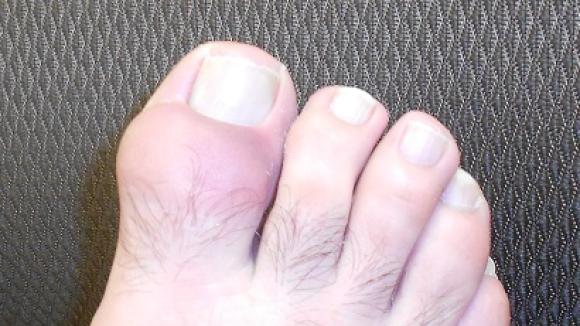
Kimme L. Hyrich, MD, PhD, of the University of Manchester in the United Kingdom, and colleagues point out that because of the lack of consensus in diagnostic criteria, "the same child could be classified as 'in clinically inactive disease' or having active disease at the same time point between clinicians or hospitals."

Stepping up to biologic therapy when methotrexate (MTX) monotherapy fails was not shown to be cost effective, compared to first trying triple therapy, in a rheumatoid arthritis (RA) study published in Annals of Internal Medicine.

Dr. Jack Cush Reviews highlights from the past week on RheumNow.com:

About one-third of ankylosing spondylitis patients who cut their etanercept (Enbrel) dose in half maintained responses over 4 years, compared with two-thirds who stayed on standard therapy, researchers reported.

Ixekizumab (Taltz) is currently approved for use in plaque psoriasis and is being developed for use in psoriatic arthritis (PsA). New results show IXE to be highly effective at skin and joint outcomes in PsA patients who have failed a TNF inhibitor (TNFi).
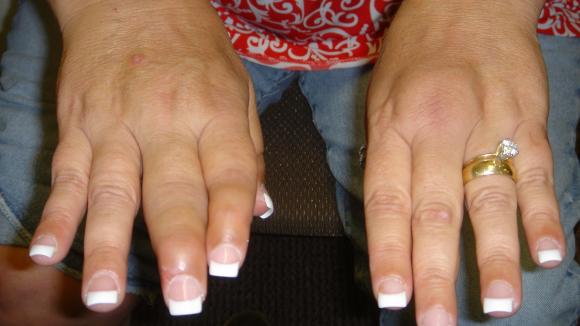
By downloading this material, I acknowledge that it may be used only for personal use and personal education and that I will accredit RheumNow.com as the source and owner of this material. Commercial use or mass reproduction of this material without permission from RheumNow (info@rheumnow.com) is prohibited.

