Article
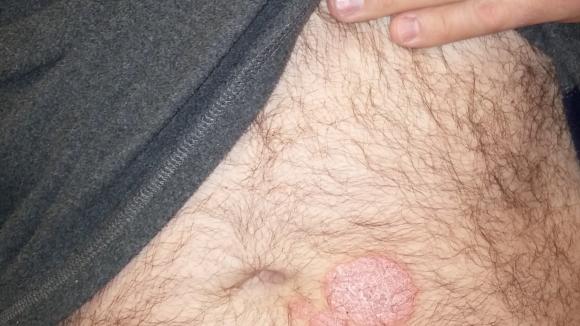
Tumor necrosis factor-α inhibitors (TNFi) rarely have been reported to induce new-onset psoriasis.

Search for Terms or Answers
Tumor necrosis factor-α inhibitors (TNFi) rarely have been reported to induce new-onset psoriasis.
Two current articles in the Journal of Rheumatology address issues surrounding mortality risk among those with new and established gout.

On Friday March 24, the nonprofit Institute for Clinical and Economic Review (ICER) presented its report on the cost and value of targeted immune modulators (TIMs) for rheumatoid arthritis (RA) in a meeting in Boston that included clinical experts, manufacturers, payers, and patients.

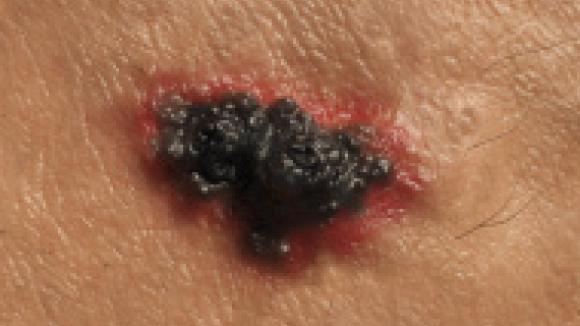
Rheumatoid arthritis (RA) patients have a higher risk of certain cancers (e.g., skin, lung, lymphoma). At issue is whether the newer agents modify this risk appreciably.
Low rates of serious infections were observed in pregnant women receiving immunosuppressive therapies. Higher rates may be seen with steroid use in pregnancy and SIE trend towards lowest with DMARD or TNFi use.

Lyrica (pregabalin) was first approved in 2004 and since has been studied and approved for use in neuropathic pain (associated with diabetic neuropathy), postherpetic neuralgia, partial onset seizures, fibromyalgia and neuropathic pain with spinal cord injury.

Dr. Jack Cush reviews news and highlights from the past week on RheumNow.com.

In the Makonde language, “Chikungunya” translates to “that which bends up”, descriptive of the twisted posture of those infected secondary to intense joint and muscle pain experienced during the acute phase of the disease.

A comprehensive review of psoriatic arthritis (PsA) was published this week in the NEJM, authored by leaders in the field, Drs. Ritchlin, Colbert and Gladman.
High points from their review inlcuded:
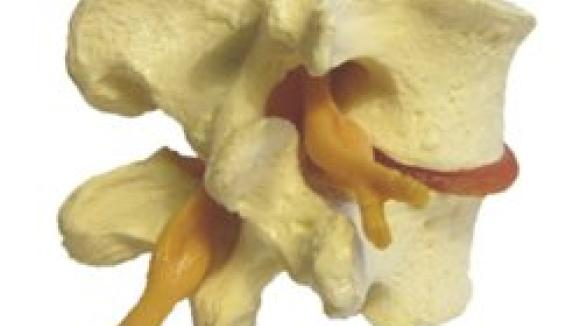
A a randomized trial published in Annals of Internal Medicine shows that intradiscal glucocorticoid injection has limited (1 month) efficacy in treating low back pain (LBP) associated with active discopathy, yet decreased over time.
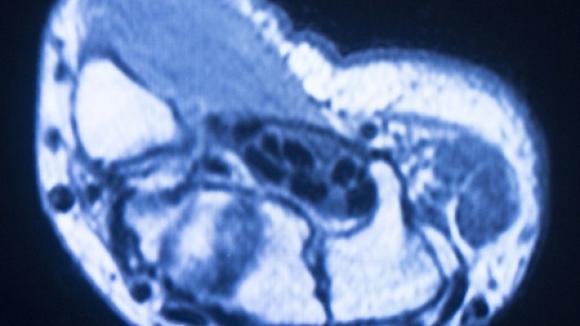
Clinical Rheumatology reports that the repeated intravenous administration of gadolinium-based contrast agents (GBCAs), although clinically useful, may be associated with rare toxicity and the uncertain clinical effects of accumulation.
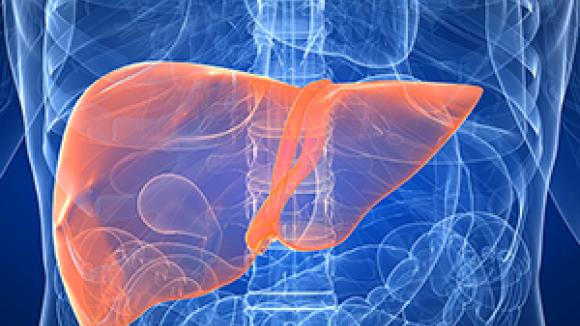
SLE-related hepatitis (“lupus hepatitis”) and “lupoid hepatitis” are 2 different diseases. The term "lupoid hepatitis", now known as autoimmune hepatitis (AIH), was first coined in 1959. AIH was initially called “lupoid hepatitis” by MacKay. A review by Adiga and Nugent reviews, defines and distinguishes between lupus-related hepatitis and lupoid hepatitis.
A French population based study of ankylosing spondylitis (AS) was report in the Journal of Rheumatology.
They analyzed the death certificates and cause of death in 2940 AS patients over 3 different decades (1969-78; 1979-99; 2000-2009).
Calabrese and Velcheti have reviewed the current understanding that underlies a new drug-induced rheumatic disease - checkpoint inhibitor arthritis and autoimmune disease.

Dr. Sharad Lakhanpal, MBBS, MD, President of the American College of Rheumatology (ACR) has issued a press release condeming the insufficiencies of the newly proposed American Health Care Act (AHCA).

In January 2017, the Food and Drug Administration (FDA) released its draft guidance on the issue of interchangeability between biosimilars and originator biologic drugs. The window for your input will close on May 18, 2017. RheumNow encourages you to participate in this exercise and express your opinion.

The March 2017 issue of the ACP Internist has reviewed the ubiquitous practice of medication adherence.

CNN has reported that changes in immigration policies is but one of many factors that may add to an existing doctor shortage. This and other events now begs the the question, why the federal government doesn't train more doctors in the US?

The ACGME has revised its traing guidelines such that, starting July 1st, new interns are allowed to work shifts lasting as long as 24 hours, and as much as 28 hours according to a recent New York Times article.

By downloading this material, I acknowledge that it may be used only for personal use and personal education and that I will accredit RheumNow.com as the source and owner of this material. Commercial use or mass reproduction of this material without permission from RheumNow (info@rheumnow.com) is prohibited.