
Article
The 12 month POET study analyzed 817 rheumatoid arthritis (RA) patients who achieved remission or low disease activity (LDAS) for ≥6 months and then randomized 2:1 to stopping or continuing their TNF inhibitor.

Search for Terms or Answers
The 12 month POET study analyzed 817 rheumatoid arthritis (RA) patients who achieved remission or low disease activity (LDAS) for ≥6 months and then randomized 2:1 to stopping or continuing their TNF inhibitor.

Among older patients using medium to high doses of the anti-inflammatory steroid prednisolone, treatment with the osteoporosis drug alendronate was associated with a significantly lower risk of hip fracture, according to a study published by JAMA.
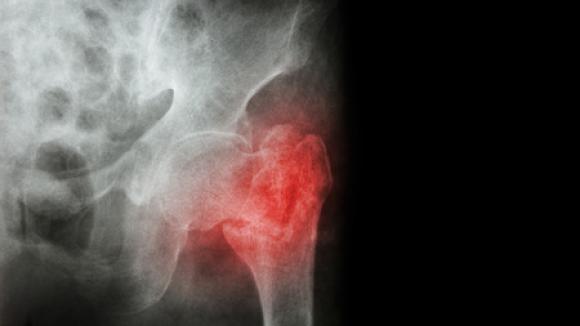
Rituximab, a chimeric anti-CD20 monoclonal antibody, has been effectively used in the treatment of multiple autoimmune disorders for over two decades. But the response to rituximab has been shown to not be as effective in SLE as it is in RA.

The FDA has approved both IV and SC ORENCIA (abatacept) for the treatment of adults with active Psoriatic Arthritis.
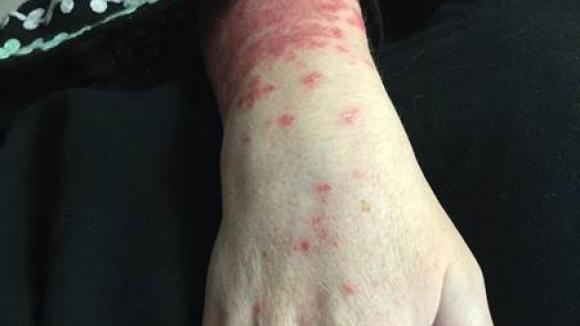
Researchers from Augusta University have examined exosomes from patients with knee osteoarthritis (OA) to enhance our molecular understanding of the pathogenesis of OA. (Citation source http://buff.ly/2tuDZ3v)
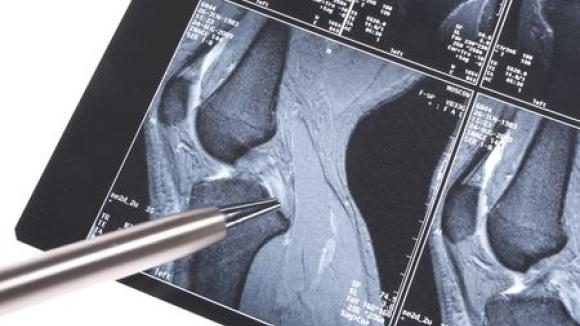
Dr. Sharad Lakhanpal, President of the American College of Rheumatology has responded to the Senate's proposed changes to healthcare coverage in the USA.

Bone turnover markers (BTMs) have been eyed for decades as potential monitoring tools in osteoporosis.

Friday was a mega-day in Madrid as this day all the late-breaking abstracts were presented, in addition to the bulk of high-impact podium presentations in several areas.
Here are the major presentations from several clinical areas.

Dr. Jack Cush reviews some of the highlights from the past week at EULAR 2017 - June 16, 2017.
Follow RheumNow's expanded coverage from EULAR 2017 in Madrid.
The first day of EULAR 2017 highlighted a symposium focus on the advances in wearable technologies. Several lectures updated attendees with the state of wearables in society and their implications on public health, fitness, weight loss and clinical trials.

Lesinurad, a selective URAT-1 inhibitor has been approved for coadministration with a urate-lowering therapy (ULT) in patients with gout for nearly a year. The CRYSTAL study was one of the studies that lead to FDA approval.
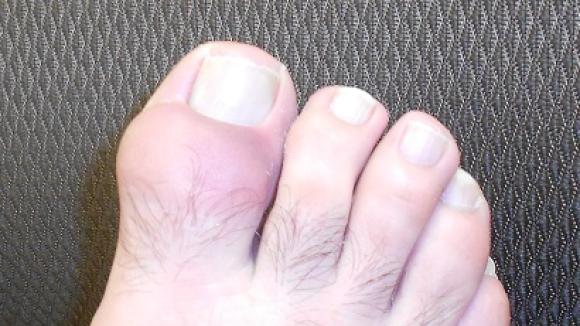
Manpower in rheumatology is about to be a major problem for the next several decades: not enough trainees, a "tsunami of retiring older white rheumatologists", and an aging baby-boomer, arthritis-primed population will strain current resources and manpower. Moreover, necessary services will not likely be available to those in need and there may be a significant maldistribution of adequate rheumatologic care.

The Journal of the American Geriatric Society has reported that older women receiving bisphosphonate therapy for greater than 10-13 years were more likely to suffer from fractures.
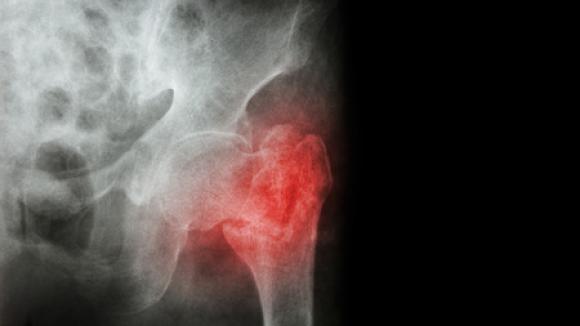
Stepping up to biologic therapy when methotrexate (MTX) monotherapy fails was not shown to be cost effective, compared to first trying triple therapy, in a rheumatoid arthritis (RA) study published in Annals of Internal Medicine.

Dr. Jack Cush Reviews highlights from the past week on RheumNow.com:

The NEJM reports success when using mepolizumab (anti-IL-5 monoclonal antibody) in a 52 week study of patients with eosinophilic granulomatosis with polyangiitis (EGPA).
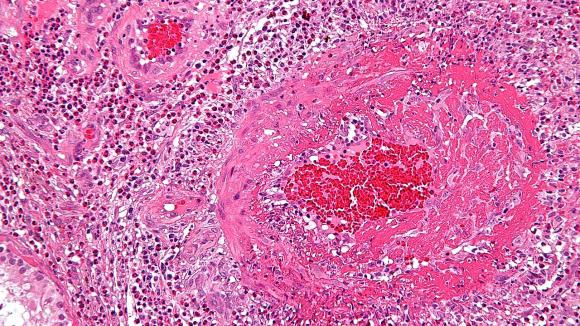
Treat-to-target education through group-based quality improvement sessions can result in wider use of treat-to-target in practice, according to researchers.
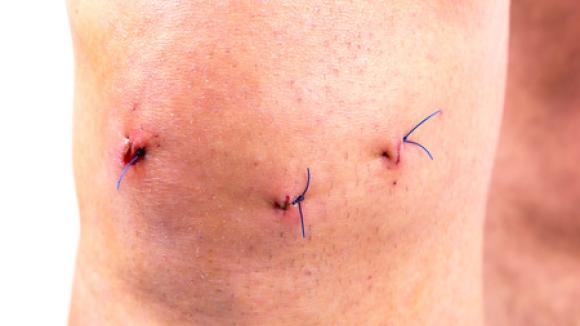
The British Medical Journal has published a clinical practice guideline for the use of arthroscopic surgery for degenerative knee arthritis and meniscal tears, suggesting that many patients will not benefit from such surgery.
A retrospective study shows that rituximab treatment of RA-related interstitial lung disease may improve or forestall ILD progression.

Dr. Jack Cush highlights the big stories, news and articles from this week at RheumNow.com.
By downloading this material, I acknowledge that it may be used only for personal use and personal education and that I will accredit RheumNow.com as the source and owner of this material. Commercial use or mass reproduction of this material without permission from RheumNow (info@rheumnow.com) is prohibited.

